Los Angeles likes to pretend its institutions run on integrity, policy, and oversight. The truth? LA’s elite legal machine runs on your tax dollars, quietly funneled into firms like Kendall Brill & Kelly LLP (KBK), where political loyalty buys access, access buys contracts, and contracts buy outcomes. While Angelenos sit on the 405 wondering why nothing ever changes, KBK is cashing in on a decade-long sweetheart pipeline of no-bid legal work approved by the very politicians they bankroll. And the deeper you dig, the more the rot rises: sham prosecutions, “fake court hearings,” public corruption resignations, weaponized commissions, and a revolving door that would make even Sacramento blush.
This is far from “oversight”. It is a taxpayer-funded hit squad designed to protect the entrenched players, bury reformers, and launder political agendas through the veneer of “independent legal analysis.” Welcome to the county’s most lucrative illusion.
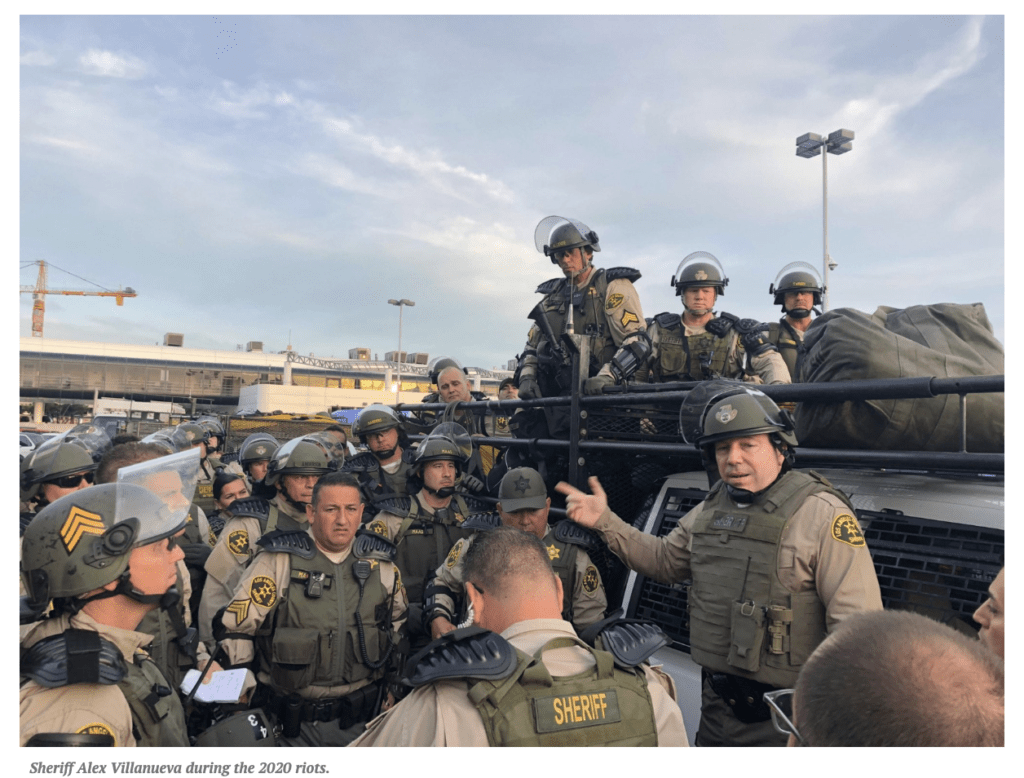
The story begins, as so many do in LA’s political power grid, with Bert Deixler. KBK’s legal pit bull went after former Sheriff Alex Villanueva during a January 2024 spectacle marketed as an “expert hearing” on deputy gangs. Villanueva called it exactly what it was: a “fake court,” political theater masquerading as oversight, engineered to humiliate him publicly and cripple his credibility heading into the 2024 election cycle.
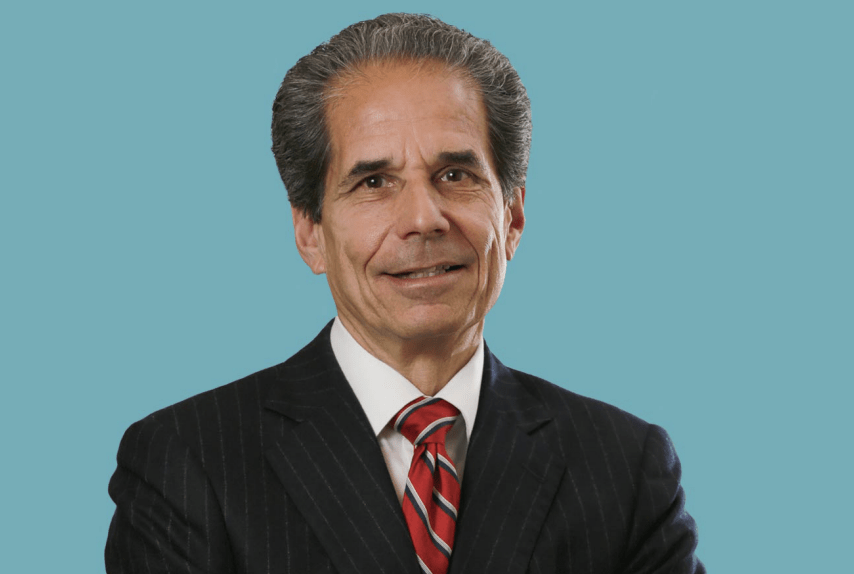
Deixler was presented to the public as a civic-minded attorney performing the work pro bono for the Sheriff Civilian Oversight Commission. But behind the scenes, the money trail tells a different story, with funds allegedly routed through Supervisor Hilda Solis, whose campaigns have long benefited from KBK’s donor network, subsidizing and amplifying the very witch hunt the Commission pretended was impartial.
Never mind that KBK simultaneously collected more than $4.2 million in LA County contracts between 2014 and 2024 defending the Sheriff’s Department against civil-rights lawsuits. In one room, they defended the department. In another, they prosecuted its leader. Only in Los Angeles could a firm get paid millions to play both arsonist and firefighter.
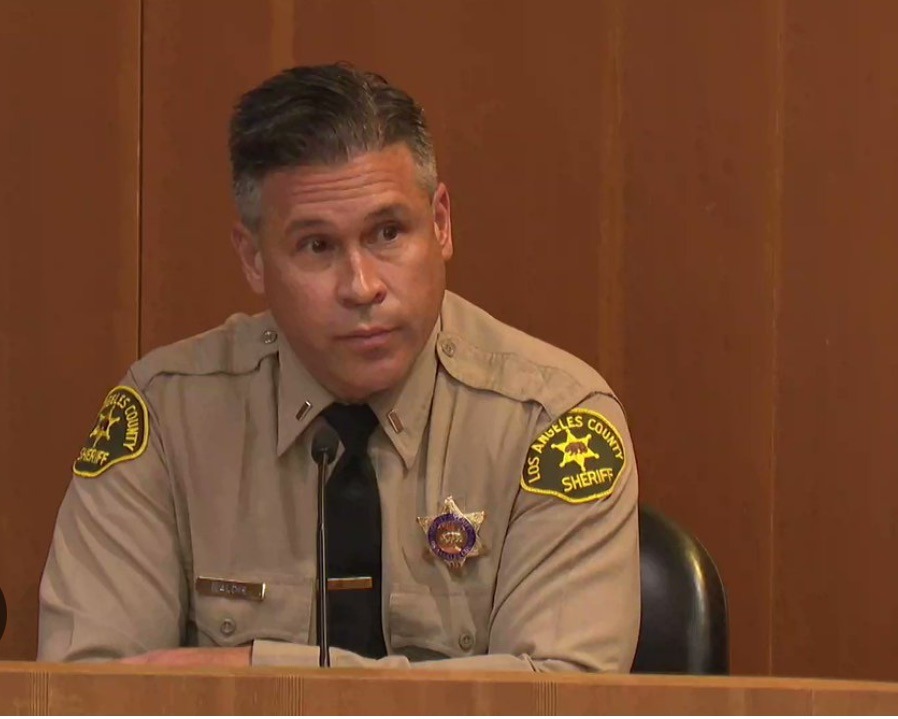
After years of legal challenges he called politically motivated subpoenas, the former sheriff finally appeared at a January 2024 hearing at Loyola Law School. He acknowledged internal “subgroups” but rejected the “gang” label as a political weapon, “Everyone talks about them, but no one’s seen one,” Villanueva fired back on the stand.
Deixler grilled him for four straight hours, replaying old clips like a Netflix reboot of a case that never was. The Sheriff Civilian Oversight Commission’s 2023 report claimed deputy cliques cost taxpayers over $55 million in settlements. Villanueva countered that many allegations collapsed in court, tossed for lack of evidence, weaponized instead for political smear. And who profited from the so-called accountability crusade? KBK, with $1.5 million in county contracts during Villanueva’s term for “consent decree compliance,” later repurposed into the very apparatus used to deconstruct his administration.
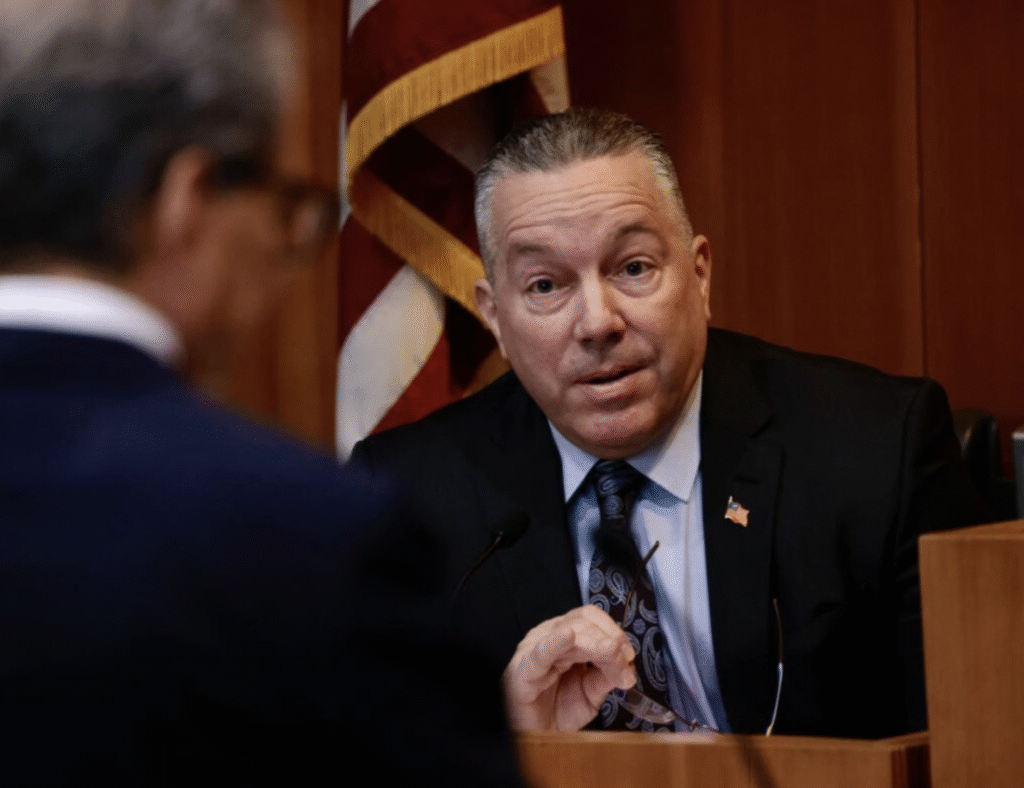
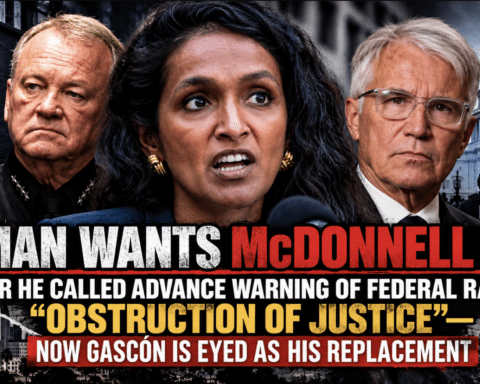
For the first time in more than a century, Los Angeles County watched an incumbent sheriff get unseated when Alex Villanueva defeated Jim McDonnell in 2018. Villanueva shattered a 108-year precedent by taking the office while already wearing the badge, a direct threat to the Board of Supervisors and the political machinery that had long controlled the Sheriff’s Department from behind the curtain. Determined to stop him from ever doing it again, they weaponized the long-dormant “deputy gangs” narrative and inflated it into a full-scale public panic, engineered to dominate headlines, manipulate public fear, and poison the electorate before voters even reached the ballot box.
From 2022 through 2024, the Sheriff Civilian Oversight Commission, fueled by millions in taxpayer dollars, launched an unrelenting series of theatrical “special hearings” under the direction of Kendall Brill & Kelly’s Bert Deixler. Tattoo photos became props in a choreographed spectacle. Decades-old allegations were repackaged as breaking news. Villanueva was hauled before a Loyola Law School stage set disguised as an accountability forum but executed like a political tribunal. And without fail, each wave of sensationalized testimony landed in the press precisely when early voting or mail-in ballots dropped. The strategy worked. Fear eclipsed facts, headlines drowned out truth, and the 108-year barrier fell. Robert Luna was sworn in by December 2024, delivering the compliant leadership the Board had engineered all along.
Then, just as abruptly as it had begun, the crisis evaporated. No more high-budget hearings. No more Deixler roadshows. No more breathless front-page exposés about “deputy gangs” terrorizing Los Angeles. Overnight, the supposedly existential threat vanished from the public conversation. If these groups were truly the county-wide menace the Board claimed, responsible for $55 million in payouts and untold harm, they would not disappear the moment their preferred sheriff took office. The sudden silence is the tell. It confirms what the last two years really were: a political operation disguised as reform, a fear-driven campaign financed by taxpayers, engineered to eliminate the only modern sheriff who refused to bow to the county’s entrenched power structure.
A deeper look at the COC hearings reveals just how choreographed the entire spectacle was. The majority of the witnesses trotted out as “truth tellers” were anything but impartial, they were active litigants with pending lawsuits against former Sheriff Alex Villanueva and the LASD. Many of the commission’s star testifiers, were simultaneously pursuing multimillion-dollar whistleblower and retaliation claims that hinged on portraying Villanueva as a corrupt, vindictive tyrant. Their allegations, from blocked promotions to supposed gang-like cliques, conveniently mirrored the commission’s prepackaged narrative yet repeatedly faltered under judicial scrutiny. And behind these dramatic accusations stood two attorneys long aligned against Villanueva: Vincent Miller and Alan Romero. Miller and Romero drafted complaints loaded with sensationalized claims perfectly calibrated for headlines. Romero, representing disgruntled personnel, weaponized civil suits to amplify “deputy gang” hysteria at moments that just happened to coincide with election cycles. Together, this coordinated bloc of litigants and anti-Villanueva counsel turned the COC process into a taxpayer-funded kangaroo court, oversight in name only, character assassination in practice, ensuring the Board’s political narrative triumphed while genuine accountability never stood a chance.
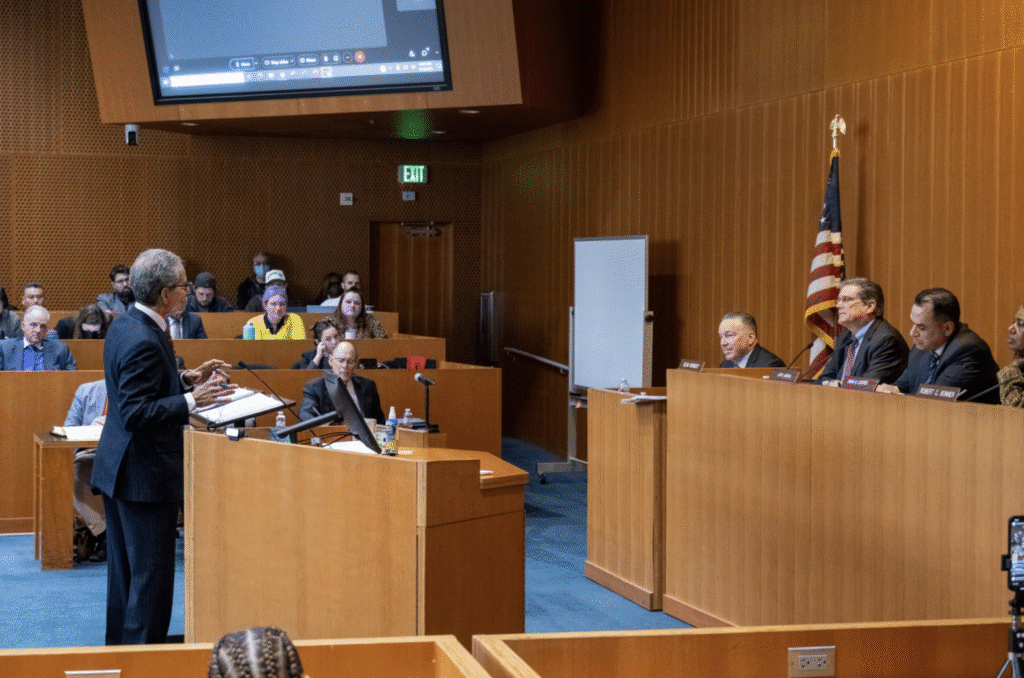
The “deputy gang” crusade was never about public safety or accountability. It was a manufactured panic designed to break an incumbent sheriff and restore control to the very officials who lost it. And Los Angeles County residents are still paying the bill for the Board’s most cynical performance to date.
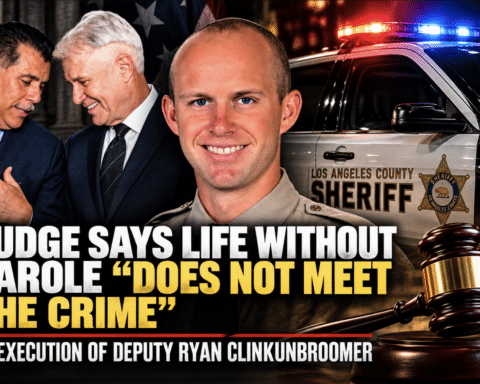
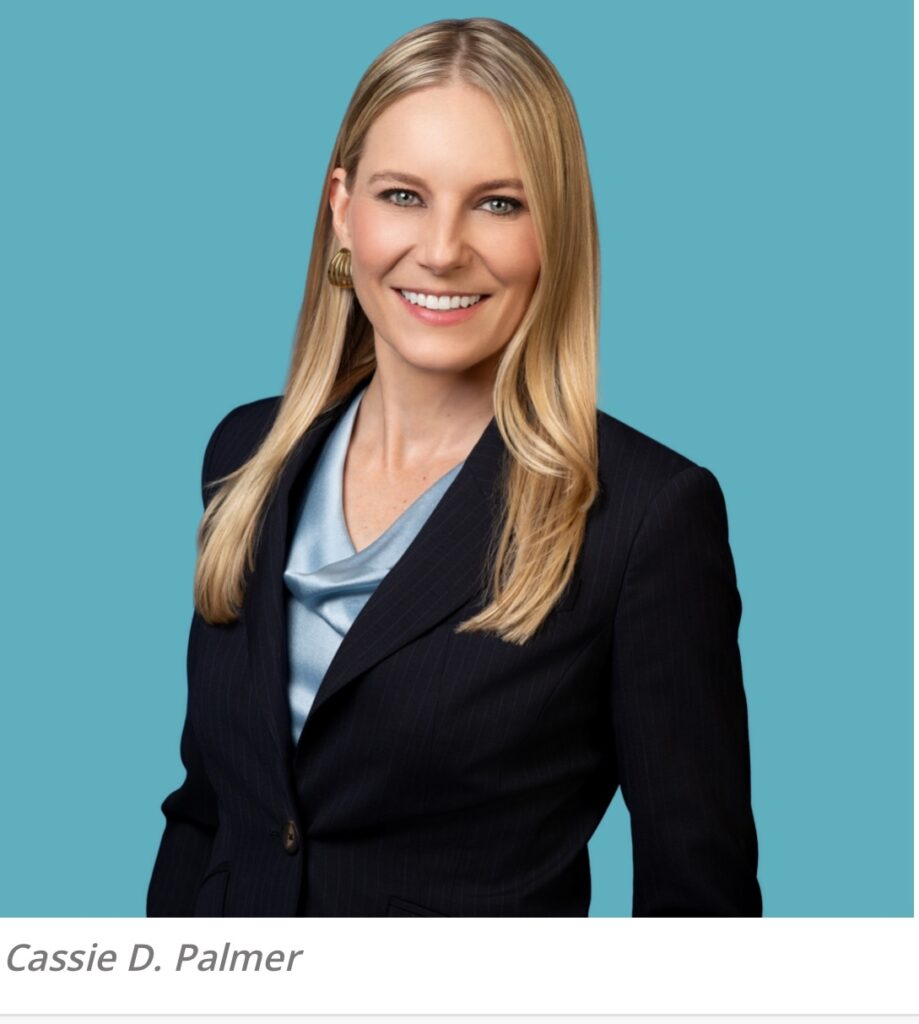
Fast forward to 2025, and KBK adds another power player to its roster: Cassie D. Palmer, the former head of the U.S. Attorney’s Public Corruption and Civil Rights Section in Los Angeles. Palmer resigned in protest after a shocking reversal in the federal prosecution of LASD Deputy Trevor Kirk, a case already mired in political manipulation.
This entirely manufactured federal case traces back to the June 24, 2023 incident at the WinCo in Lancaster, where LASD deputies responded to a robbery in progress call. The suspect, a black woman, turned violent, and resisted arrest. Deputy Kirk deployed OC spray and use according to LASD training and protocol when a subject becomes combative. The force was lawful, within policy, and fully justified.
But instead of standing behind his deputy or defending the very use-of-force standards his own department teaches, Sheriff Luna made a political calculation. He hand-delivered the case to the Feds, eagerly partnering with the U.S. Attorney’s Office under the Biden administration to manufacture a civil-rights prosecution that had no business ever seeing the inside of a courtroom.
What did Luna gain from a move so outrageous it sent deputies scrambling for lateral transfers and pushed seasoned personnel into early retirement? Nothing but political cover. He sacrificed one of his own to appease a loud, marginally influential fringe of activists whose narrative, spoon-fed by biased media and stripped of context, demanded a trophy, not the truth. The facts were irrelevant. All that mattered was feeding the spectacle of a prosecution to keep his critics satisfied and his political allies smiling. And in the end, Luna had the audacity to beg Judge Wilson for leniency to mitigate the damage his actions caused not only to Kirk personally, but sent shockwaves through the entire department’s ranks, crippling morale and operational stability in the process.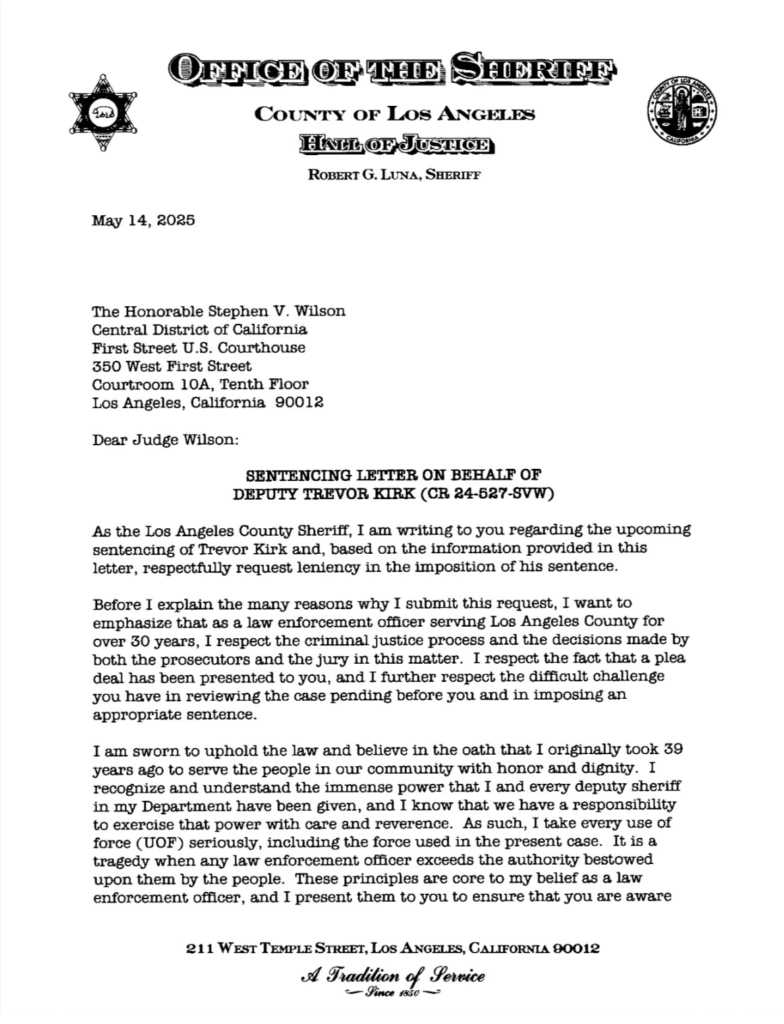
Kirk was convicted in February 2025 of felony deprivation of rights facing a 10 year prison sentence for the doing the job he was trained to do. At the 11th hour, a new U.S. Attorney, Trump-aligned appointee Bill Essayli, swooped in post-verdict with a “deal” that downgraded the felony to a misdemeanor with four months served.
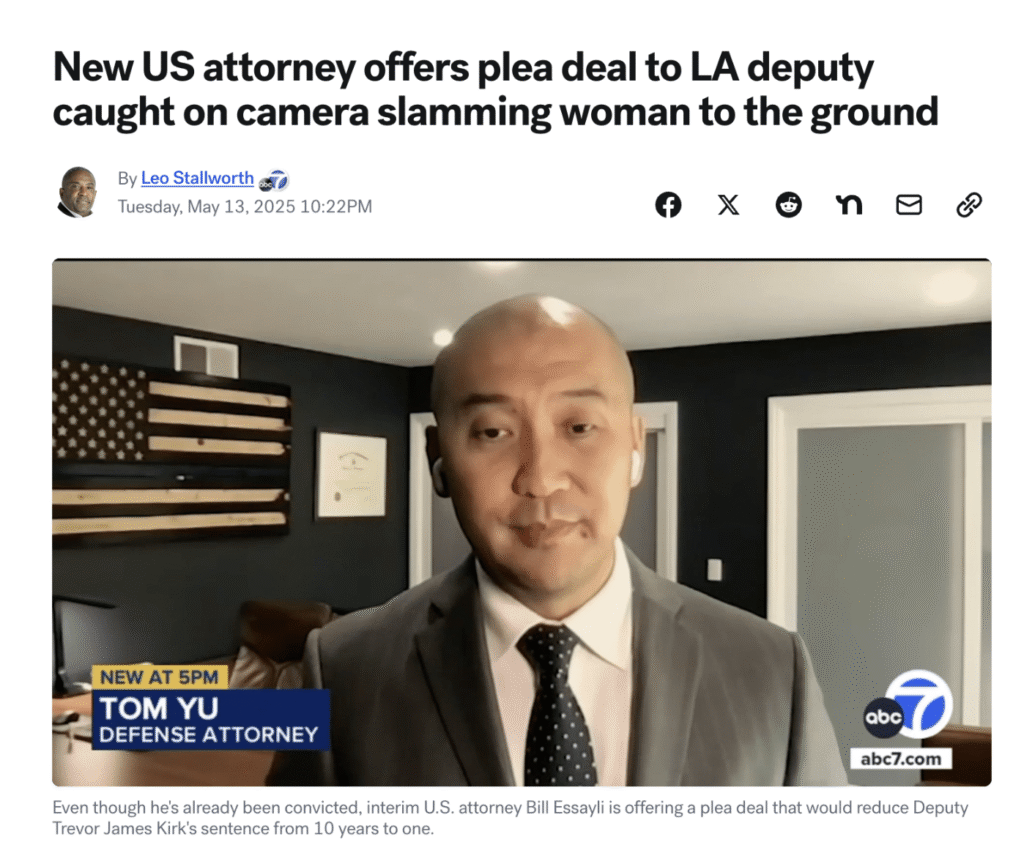
“Deputy Kirk was offered a misdemeanor plea with no jail time back in December 2024 – two months before trial,” said Tom Yu, Kirk’s defense attorney appointed by to the case by LASPA. “This was always on the table. Let me repeat that: always. It’s up to the U.S. Attorney to offer it, and they did. This isn’t a surprise twist. It’s standard procedure, whether people like it or not.”
Palmer and her entire unit walked out, calling it a betrayal of the jury’s decision. Then she walked straight into KBK, a firm with deep County ties, rich civil-rights defense contracts, LA Metro retainers, and a long history of political proximity. Heroic resignation or strategic repositioning? Depends which side of the paycheck you’re on.
And now, Palmer is at KBK, the firm poised to profit from the very civil-rights fallout she once prosecuted.
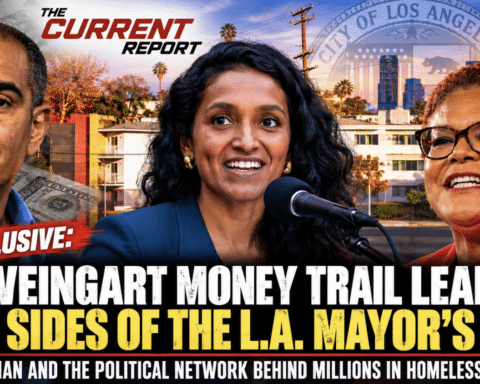
Follow the money and the picture sharpens. These contracts rarely see open bidding. Instead, they slide through under Government Code §31000 as “emergency” outside counsel, allowing the Board of Supervisors to bypass competition entirely. KBK’s partners, Deixler, Kendall, Brill, have collectively dropped tens of thousands into the campaigns of the same elected officials approving those contracts. LA Metro, an agency long plagued by internal corruption and political meddling, added another $1.8 million in KBK payments for intellectual-property fights and internal investigations, conveniently overlapping county policing matters. Ethical boundaries blur, collapse, and disappear. The Political Reform Act requires recusal when conflicts exist, yet “independent contractors” are conveniently exempt from the rules binding county employees. This is how a revolving door becomes a turbine.
Even the Daily Journal, LA’s legal bible, can’t ignore the contradictions. One headline praises KBK’s litigation expertise, another rails about attorney ethics, another warns about the corrupting power of contingent fees. Meanwhile, KBK’s fingerprints surface everywhere: Scientology litigation in which Deixler defended secretive “ecclesiastical privileges,” civil-rights defense for sheriff administrations they later helped dismantle, and now Palmer’s pivot from prosecuting misconduct to joining a firm long embedded in the county’s internal battles. Behind every county scandal, KBK isn’t the face of justice, they’re the architects of selective accountability.
This is the underbelly of Los Angeles governance: firms like Kendall Brill & Kelly don’t resolve conflicts, they monetize them. They don’t enforce accountability, they manufacture narratives that benefit their benefactors. From the sham prosecution and political weaponization in the Kirk case, to the orchestrated “fake court” takedowns of Villanueva, to the tens of millions in county contracts flowing through a donor-friendly pipeline, KBK has mastered the art of turning taxpayer dollars into political power. This follows a similar patter to Miller Barondess.
The county claims these arrangements ensure “expert representation.” What they really ensure is control.
Of the story. Of the investigations. Of the outcomes.
Taxpayers have spent more than $6 million on this machine. The question isn’t how deep it goes – it’s who’s brave enough to pull the plug.