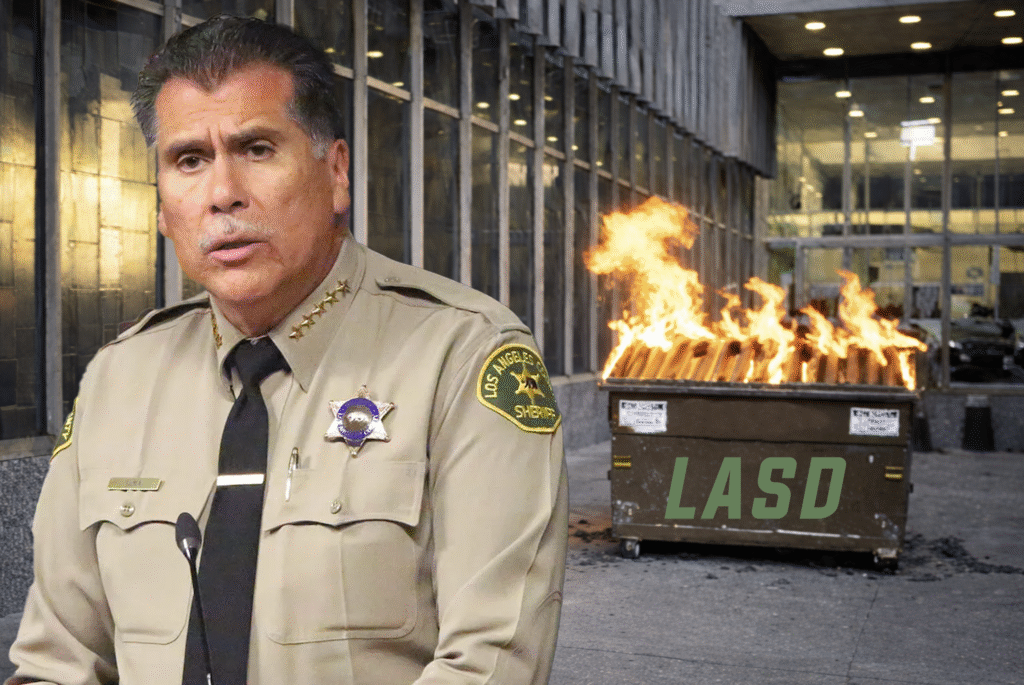
Sheriff Robert Luna built his brand on the promise of integrity, transparency, and protection for the deputies he now commands. But what unfolded this year reveals a sheriff far more concerned with maintaining political optics than honoring the commitments he loudly made when it suited him. In March 2025, Luna filed a lawsuit he aggressively framed as essential to defending deputies’ privacy rights against the Los Angeles County Civilian Oversight Commission’s demands for sensitive personnel files tied to misconduct, use-of-force incidents, disciplinary histories, and other confidential employment matters. Luna positioned himself as the courageous defender standing between his deputies and what he portrayed as intrusive government overreach. It was the perfect political narrative: a sheriff “protecting his people” while simultaneously posturing strength in a tense oversight climate.
Then, on December 17, 2025, the illusion shattered. Without a press briefing, without accountability, without so much as a straightforward explanation to the very people he claimed to protect, Luna’s legal team quietly filed to dismiss the lawsuit without prejudice. No ruling. No legal clarification. No resolution. Just a quiet, strategic retreat designed to make as little noise as possible. And with that decision, everything Luna sold about this lawsuit collapsed. Deputies who were told their sheriff was fighting for their rights were suddenly left standing in the open, realizing there was never a real fight to begin with. What they got instead was a campaign stunt, a calculated moment of political theater meant to earn loyalty, inflate trust, and stage the image of a sheriff willing to defy pressure when it allegedly mattered most.

Inside the department, sources describe a very different reality than the one Luna presented to the public. This lawsuit, they assert, was never filed with the intention of seeing it through. It was timed during a period of heightened scrutiny, rising tension, and a looming 2026 election season. Deputies were increasingly anxious about oversight power and access to records. Luna exploited that fear. He told them he would be their shield. He projected strength while knowing full well the case was more useful to him symbolically than legally. The moment the political value shifted, so did Luna. Instead of standing in court and finishing the fight he aggressively advertised, he stepped back into the shadows and quietly walked away, leaving the people whose trust he leveraged to deal with the fallout.
What makes this worse is what the lawsuit truly represented. This was not an abstract policy filing. It concerned the most sensitive and consequential matters inside LASD: internal investigations, disciplinary determinations, misconduct allegations, civil exposure, public trust, and the complicated legal balance between oversight authority and deputy privacy protections. Luna convinced deputies that without this lawsuit, their rights were at risk. He made himself the hero of a fight he never intended to finish. By dismissing the case without delivering what he claimed it would secure, he did not protect deputies. He left them in limbo. He left key legal questions unresolved. And he left oversight access hanging in a gray zone he pretended he was trying to clarify.
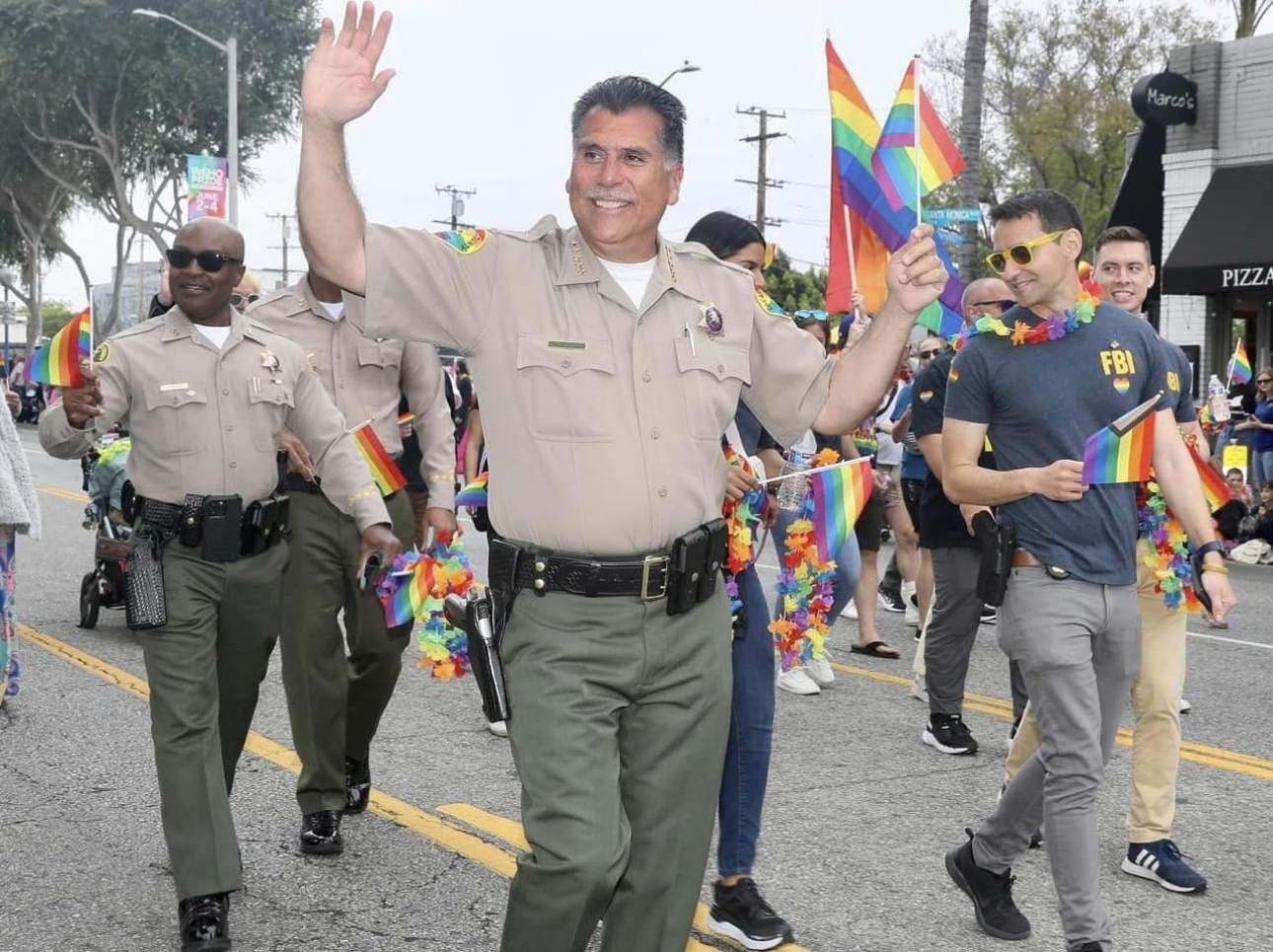
This is not a standalone misstep. It fits a clear and disturbing pattern. Luna ran for sheriff promising transparency, reform, accountability, and moral steadiness. In office, he has instead demonstrated a relentless interest in narrative control, quiet suppression of pushback, and carefully curated imagery designed to present the illusion of competence and strength while operating politically behind the curtain. Watchdogs have described obstruction. Oversight voices have faced resistance. Deputies have watched the gap widen between what Luna says publicly and what he orchestrates privately. Rather than leading, he calculates. Rather than confronting truth head-on, he maneuvers it. Rather than building trust through honesty, he manufactures loyalty through illusion and hopes rank-and-file deputies never notice the difference.
But they do. Deputies are not relieved by the dismissal of the lawsuit. They are angry. They have every right to be. They were told their sheriff was fighting. They were told he was protecting them. They were told this legal action mattered. Instead of a sheriff standing firm and seeing his commitment through, they watched their leader retreat without explanation, leaving them exposed and misled. Trust inside law enforcement does not evaporate quietly; it fractures sharply. And deputies now find themselves confronting a devastating truth: the sheriff who promised to stand in front of them when it counted instead used them as political props when it suited him and abandoned them when it didn’t.
Luna’s defenders may claim this was strategy or evolving legal calculation. That argument collapses under reality. If Luna believed this lawsuit was necessary, he should have fought it. If he believed it was wrong, he should have had the courage to stand before his department, say so plainly, and explain why. Instead, he chose secrecy and disappearance. That is not the behavior of a leader confident in truth or loyal to the people he commands. It is the behavior of a political figure protecting himself.
In a county already strained by mistrust, rising scrutiny, and tension between the public, the department, and oversight authorities, Los Angeles needed a sheriff anchored in principle. What it got instead is a sheriff governed by optics. Luna promised to protect deputies. He promised to fight when necessary. He promised to lead with transparency. What he delivered was a carefully staged performance followed by a silent escape when the act ended.
Sheriff Luna did not simply dismiss a lawsuit. He exposed who he really is. And no matter how quietly he tried to make it disappear, his moves suggest a sheriff more focused on consolidating power than upholding the rights of his personnel. As the 2026 race approaches, this ruse risks backfiring, alienating the very deputies whose backing he sought to secure through empty promises.
In the end, Luna’s smoke-and-mirrors strategy exposes a troubling reality: a leader who wields deception as a tool, even against his own ranks, to maintain control and advance his political ambitions. Deputies deserve better than a sheriff who treats their rights as pawns in an electoral game.