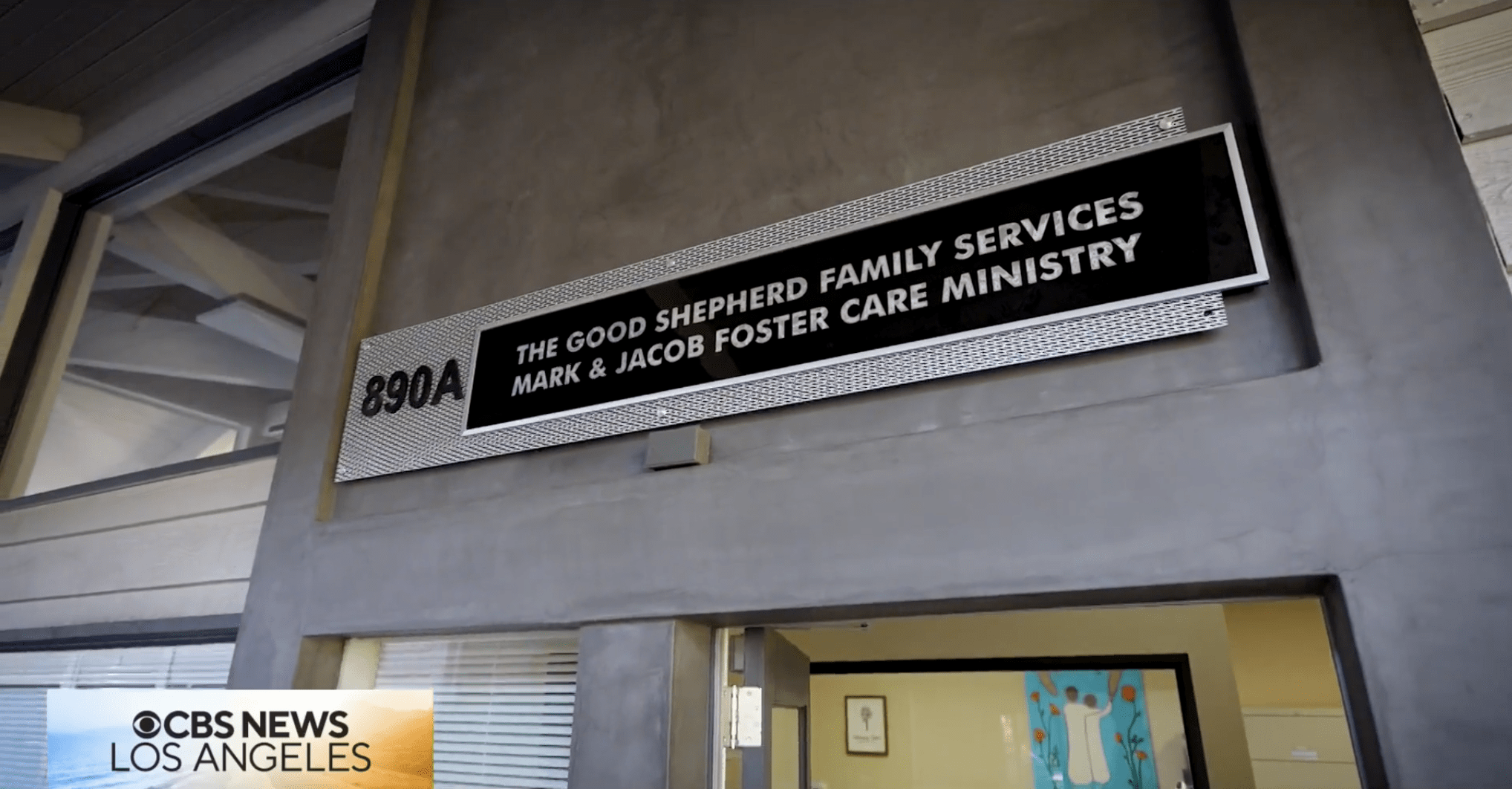
A newly launched foster care initiative created by the Iskander family is being promoted as a legacy project honoring the lives of Mark and Jacob Iskander, who were tragically killed on September 29, 2020, while crossing Triunfo Road in Westlake Village. Any discussion of this effort must begin with acknowledgment of the unimaginable loss endured by their parents. The death of children leaves a permanent wound—one that reshapes identity, time, and meaning itself. That pain is real, enduring, and deserving of empathy.
However, the public narrative surrounding the launch of this initiative has once again revived a familiar, and demonstrably false, claim from the underlying case: that mainstream media and individuals involved have continued to promote a narrative crafted within the first 24 hours of the tragedy, despite it being contradicted by evidence.
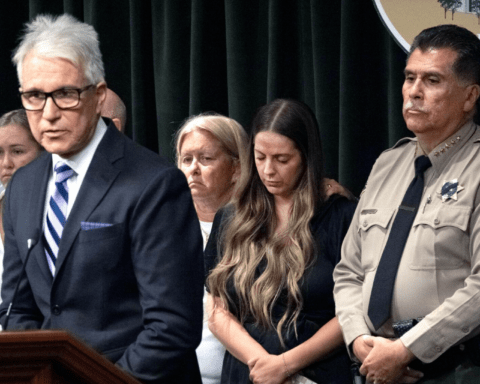
Recent coverage, including a widely circulated segment on CBS local news, framed the initiative as an act of healing while steering the conversation back toward the criminal case and repeating that false narrative as fact. Its repetition matters now more than ever given the procedural posture of the case, with the criminal conviction still subject to appellate review, civil depositions complete, and a jury trial approaching.
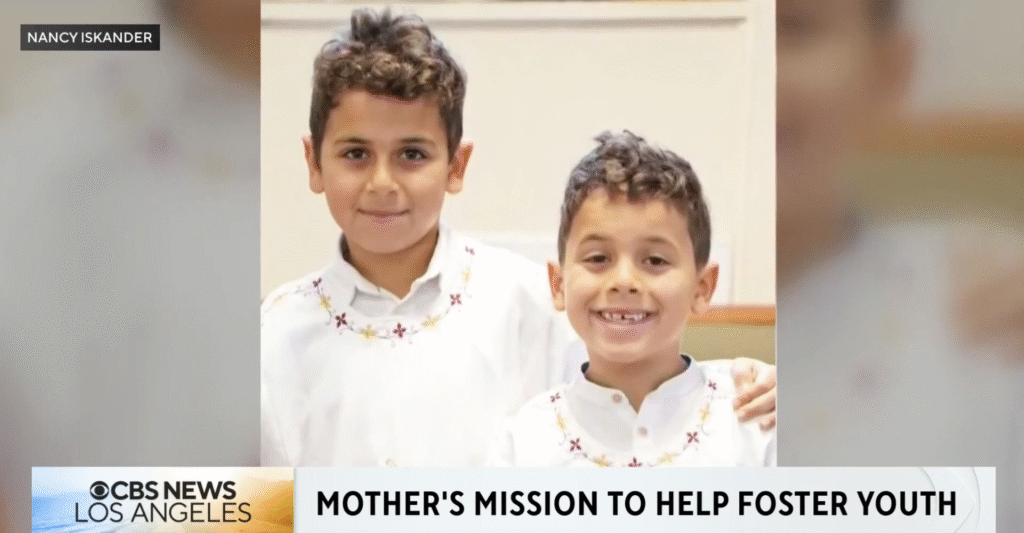
This raises serious questions about editorial judgment – specifically, the reporter’s decision to introduce the question of whether Rebecca Grossman “apologized,” and to present Nancy Iskander’s response without context, verification, or acknowledgment of contrary evidence. By doing so, the coverage revived a claim that has been repeatedly disproven, effectively laundering misinformation back into the public discourse under the guise of human-interest storytelling.
An extensive independent investigation published by The Current Report has already documented a pattern that directly contradicts the mainstream media narrative. The record includes video evidence of Grossman expressing distress and concern at the scene, as well as multiple letters written to the Iskanders over time, letters so persistent in their expressions of sorrow that prosecutors at one point sought judicial intervention to prevent further contact. The stated purpose of those communications was singular: to convey remorse and empathy. These actions were not isolated or symbolic. They were sustained, personal, and, in some instances, undertaken against legal advice. They were supported by records and corroborated accounts, yet were largely absent from mainstream coverage and public discourse.
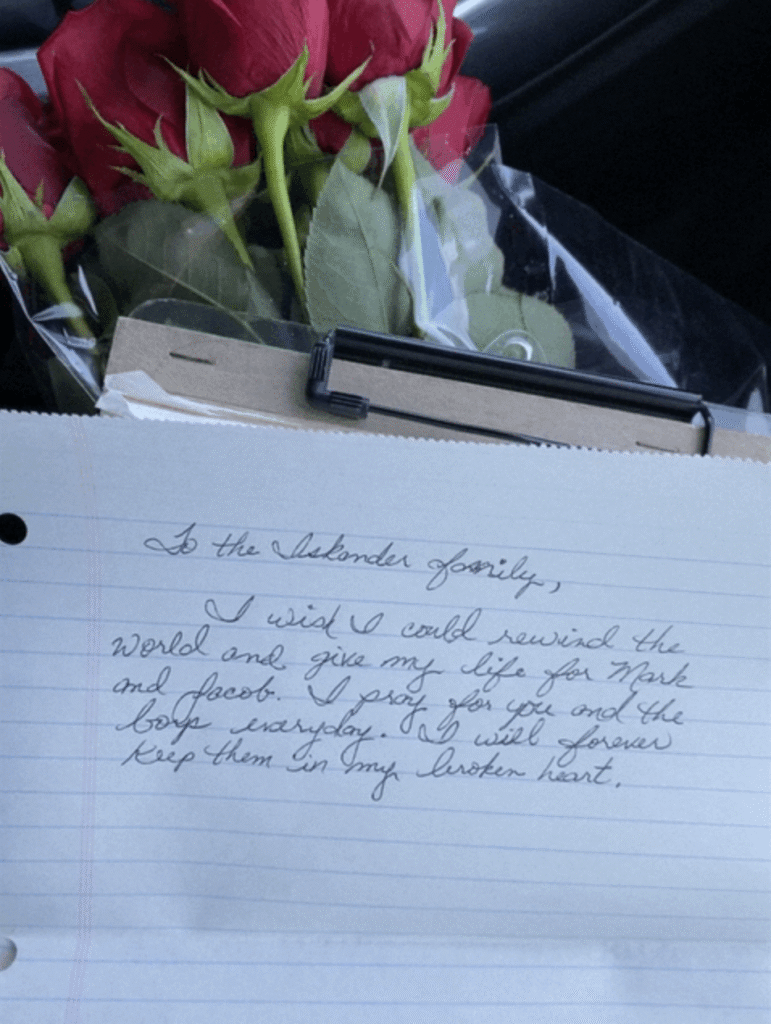
In addition to what has already been documented, Grossman attempted to express remorse at her sentencing hearing – the only moment during the entire legal process when she was permitted to speak directly. At that moment, Nancy Iskander and her mother stood and attempted to exit the courtroom as Grossman began to address them. This was not an absence of remorse, but its categorical rejection.
Iskander further asserted that ongoing court proceedings continue to “keep wounds open”, a framing that omits any recognition of Grossman’s legal right to appellate review – particularly in a case where substantial reasonable doubt was suppressed during the criminal trial and where additional evidence has surfaced through civil discovery. The absence of that context reflects a broader media pattern: privileging emotionally resonant narratives over factual completeness.
It is also notable that the Iskanders made a conscious decision not to settle the civil matter and instead advance it toward trial. That choice necessarily reopens wounds for all parties and invites the disclosure of previously undisclosed information, information that, in this case, further reinforces unresolved evidentiary concerns and bolsters calls for renewed scrutiny of the criminal proceedings. That consequence is not incidental; it is foreseeable.
When the media fails to interrogate these dynamics, it does not merely report the story, it shapes it.
The danger of repeating such claims now is amplified by timing. With the civil case still pending and depositions freshly completed, public statements asserting disputed facts risk pre-trying the case in the court of public opinion. This mirrors a pattern identified during the criminal proceedings, where emotionally charged but incomplete narratives shaped public sentiment long before the evidentiary record was fully examined.
None of this negates the Iskanders’ grief, nor does it diminish the foster care initiative’s stated mission. Recruiting and supporting foster families is, on its own, a constructive endeavor. That assessment should proceed independently and fairly.
But when philanthropic efforts are launched alongside ongoing litigation – particularly where significant financial recovery is sought and appellate review remains possible – accuracy becomes a responsibility, not an option. The moral force of charitable work is diminished when paired with statements that reinforce disputed or disproven claims.
The influences shaping the Iskanders’ public messaging may be varied: aggressive civil advocacy, years of media reinforcement of a single storyline, or social media ecosystems that reward outrage over nuance. But responsibility for repeating false claims ultimately rests with those who make them. Grief may explain rigidity; it does not excuse inaccuracy.
Further underscoring the persistence of misinformation is an unresolved and consequential question: why a social media page established in the names of the Iskanders’ sons has been permitted to operate in a manner that routinely amplifies hostility, publishes unverified and defamatory claims, and encourages coordinated online pile-ons.
The Facebook page, administered by self-described activist Julie Denny Cohen, has repeatedly disseminated content that mirrors smear tactics rather than factual advocacy. The tone, volume, and nature of the posts, many of which target individuals involved in the case, stand in stark contrast to the stated charitable and restorative objectives now associated with the Iskanders’ foster care initiative.


The foster care agency should ultimately be judged on its governance, transparency, and real-world impact on children in need. But the factual record surrounding the Grossman case demands equal rigor. Assertions already contradicted by evidence should not be recycled under the cover of human-interest storytelling.
Depositions are complete. Evidence exists. The civil case has yet to be heard. Grossman has extended her heart and her hand repeatedly. Those gestures have been refused, perhaps irrevocably. That is the Iskanders’ right. What is not a right is insisting that remorse never existed when the record shows otherwise.
Grossman has never denied her involvement in the accident itself; what she has consistently rejected is the false narrative that the collision was the result of malice, gross recklessness, or flight assertions that were aggressively promoted despite contradictory evidence. That distinction was absent from the coverage.
Until the civil case is adjudicated, repeating factually inaccurate claims does not advance healing or justice. It perpetuates misinformation at precisely the moment when truth matters most.