

In Los Angeles, few institutions carry the quiet influence of Harvard-Westlake School. With tuition approaching $50,000 a year and a reputation as one of the nation’s most elite college preparatory schools, the campus in Studio City has long been a pipeline to the Ivy League and a gathering place for the children of Hollywood executives, political powerbrokers, and the city’s wealthiest families.
Now that reputation is facing one of the most serious legal challenges in the school’s history.
A civil lawsuit filed on February 27, 2026, in Los Angeles County Superior Court seeks roughly $80 million in damages, alleging that a former student endured repeated sexual assault, racial abuse, and violent hazing within the school’s prestigious water polo program while administrators failed to intervene.
The complaint, filed by former student-athlete Aidan Romain, names the school, its leadership, and individuals connected to the program as defendants. At the center of the suit is the allegation that misconduct inside one of the school’s most celebrated athletic programs was not an isolated incident but part of a broader culture that went unchecked.
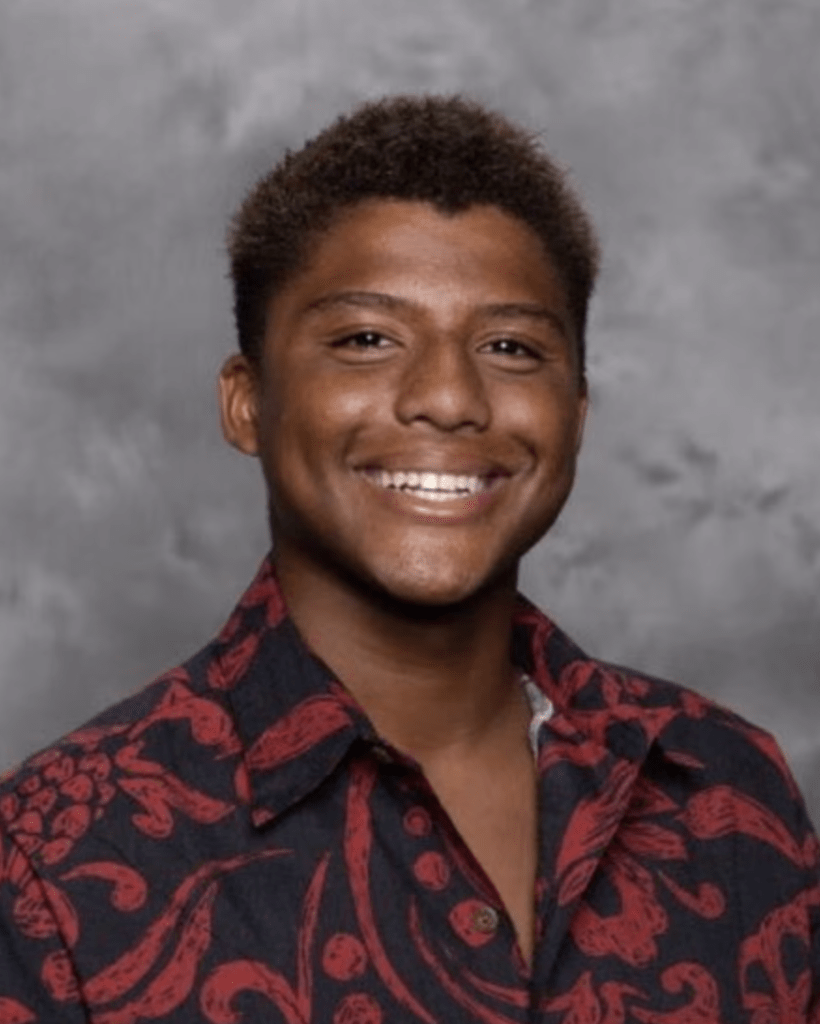
According to the complaint, the alleged abuse occurred between 2022 and early 2024 in multiple locations on campus, including locker rooms, showers, and the pool deck. The lawsuit claims the harassment included repeated racial slurs and physical hazing during team activities. One allegation describes teammates using resistance bands to whip the student while referencing slavery during workouts.
The suit argues that school officials either knew or should have known about the conduct and failed to act.
The case names Harvard-Westlake President Rick Commons among those connected to the institution being sued. The school has strongly denied wrongdoing and has said it takes allegations of student safety seriously, maintaining that it followed appropriate reporting procedures.

But the lawsuit raises a deeper question that often surfaces when elite institutions face allegations of abuse: when prestige and influence intersect with youth athletics, who is watching the adults in charge?
Harvard-Westlake’s water polo program is not just another high school sports team. It is one of the most successful programs in the country, producing Olympic athletes and Division-I recruits. In the world of Southern California prep athletics, the program carries enormous prestige. With that prestige comes pressure, pressure to win, pressure to maintain reputation, and sometimes pressure to keep problems quiet.
Legal experts note that the most significant issue in cases like this is not only the alleged misconduct itself but what administrators knew and when they knew it. Under California law, educators are mandatory reporters when they become aware of abuse involving minors.
If discovery reveals that complaints were raised internally and not properly reported, the legal exposure for the institution could expand significantly.
The case is still in its early stages. No court has yet weighed the evidence and the allegations remain claims within a civil complaint. But lawsuits of this magnitude rarely stay confined to the courtroom. As documents surface and witnesses are questioned, institutions built on reputation can find themselves confronting uncomfortable scrutiny.
This latest lawsuit is not the first time Harvard-Westlake has grappled with scandals that challenge its esteemed image. Over the years, the school has faced a series of controversies ranging from academic dishonesty to issues of student safety, diversity, and mental health.
One of the earliest high-profile incidents occurred in 2008, when a major cheating scandal rocked the campus. Six sophomores were expelled and more than a dozen others suspended after conspiring to steal Spanish and history tests by distracting teachers during class. The premeditated breach led to an anonymous tip that prompted a swift investigation by the school’s honor board and administration. The event was described at the time as an unprecedented “breach of trust” at a school known for its academic excellence.
The following year, in 2009, the school was embroiled in a lawsuit stemming from a 2005 cyberbullying case, D.C. v. Harvard-Westlake School. A student, identified as D.C., alleged he was subjected to violent threats and hate speech, including homophobic slurs and graphic threats of harm, posted on a website related to a school charity event. The harassment, which included messages like threats to “rip out your fucking heart” and “pound your head in with an ice pick,” forced D.C. and his family to relocate and withdraw from the school. The suit claimed violations under California’s hate crimes laws, defamation, and intentional infliction of emotional distress. While the school was sued for failing to adequately respond, the case ultimately went to arbitration, and an appeals court ruled that the threats were not protected speech under anti-SLAPP laws.
Diversity and inclusion issues have also plagued the school over the past decade. In 2007, two sophomores were suspended for distributing a “diss tape” containing threats of violence and homophobic slurs. In 2010, a homophobic and threatening note left in a gay student’s backpack prompted discussions on campus and calls for more inclusive curricula. That same year, a Facebook group targeting sophomore boys for wearing skinny jeans included derogatory comments about their sexuality, leading to the formation of a policy holding students accountable for online behavior. By 2020, amid national reckonings with systemic racism, Harvard-Westlake issued a statement acknowledging “inexcusable experiences of bias, micro aggression, and outright racism” reported by students, alumni, and staff, committing to make anti-racism a core part of its curriculum and culture.
In 2018, the school faced a security scare when former NFL player Jonathan Martin, who had been involved in a previous bullying scandal during his professional career, posted a threatening message on social media that included a photo of a gun and tagged Harvard-Westlake. The post led to a temporary campus shutdown as a precaution.
The school was also tangentially linked to the 2019 Operation Varsity Blues college admissions scandal. Although no parents of current or former Harvard-Westlake students were charged, the school was subpoenaed during the investigation, and its name surfaced in media reports alongside other elite prep schools.
More recently, between 2023 and 2024, Harvard-Westlake endured a heartbreaking wave of suicides, with four students, two alumni, and one parent taking their own lives. The tragedies prompted the school to hire a director of wellness, adjust grading policies, and implement counseling programs, though community members continue to grapple with the underlying pressures contributing to such losses.
This is a developing story.