They say money talks, but in Los Angeles County politics, money doesn’t just talk. It screams. It commands. And more often than not, it greases the rails for the same small circle of nonprofit powerbrokers and elected officials who have turned homelessness into a $24 billion gold rush while the streets remain lined with tents and broken promises.
Recently, The Current Report exposed the Shangri-La Industries disaster, a sprawling, multimillion-dollar scam where developer Steven Taylor and CFO Cody Holmes siphoned public funds into private jets, Birkin bags, and luxury escapes while veterans slept outside unfinished motels, another scandal has erupted. And this one may be even more brazen.

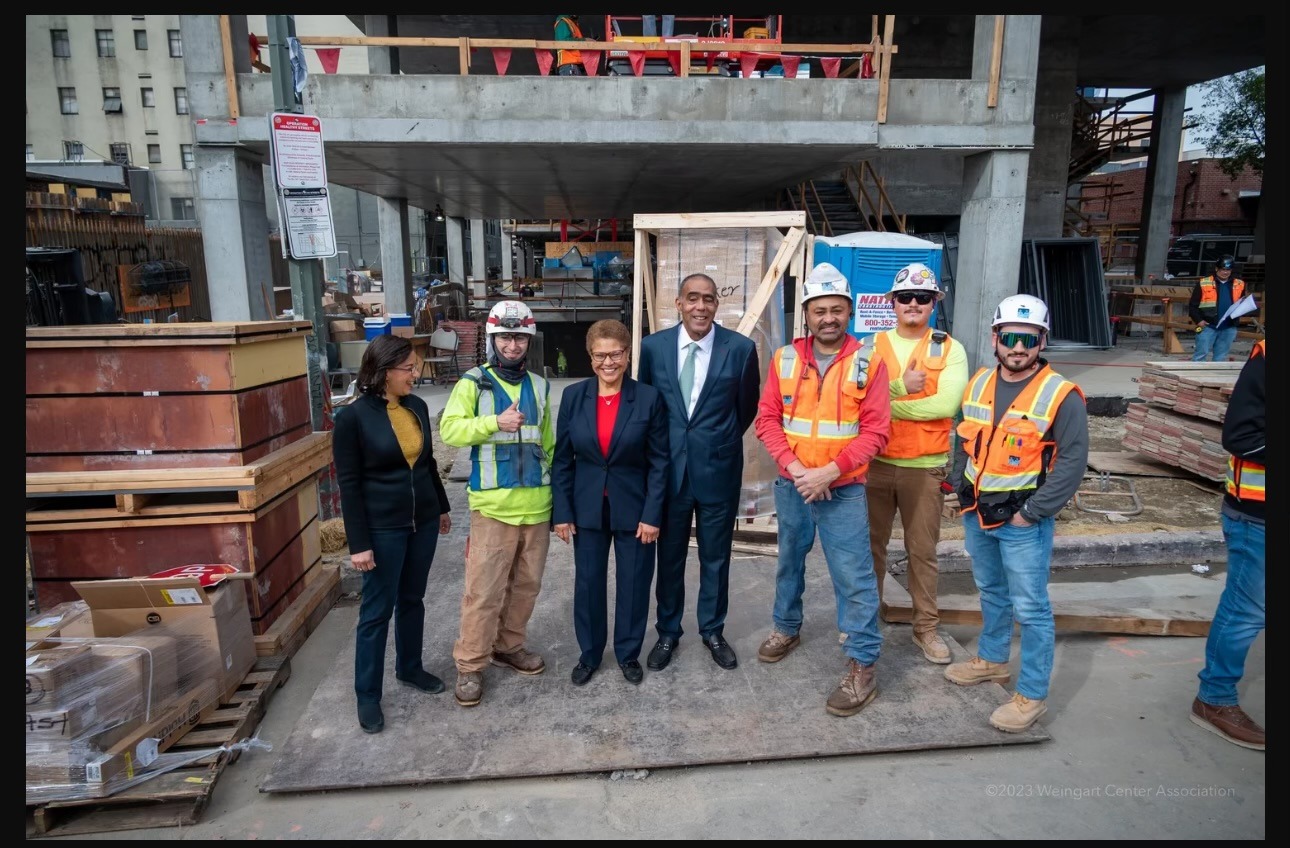
The Weingart Center Association, long portrayed as one of LA’s “trusted” homeless service providers, is now at the center of a federal probe into a secretive $27.3 million property flip in Cheviot Hills. A flip that looks less like a housing solution and more like a blueprint for legalized theft. A flip that mirrors Shangri-La’s scheme almost down to the timestamps. And a flip that, when paired with newly uncovered campaign donation data from the LA County Registrar-Recorder’s TRACER system, paints a damning picture of influence peddling, coordinated bundling, and political payoffs hiding in plain sight.
The scandal begins in April 2024, when Weingart used public dollars from California’s Homekey program, along with city and federal COVID relief funds, to buy a 76-unit senior complex on Shelby Drive for $27.3 million. The stated intent was noble: convert the building into housing for the unhoused. But nothing about this transaction was noble. Or transparent. Or even remotely defensible.
The seller, shielded behind a confidentiality clause, was a shell tied to Brentwood developer Steven Taylor, who bought the same property just four months earlier for $11.2 million. No improvements. No renovations. No additional value. Just a $16.1 million markup magically materializing, rubber-stamped by a BBG appraisal that ignored the recent purchase price and pretended the flip never happened. The entire thing should have triggered alarms up and down City Hall and the Board of Supervisors. Instead, Weingart submitted an application to the state for Homekey funds that conveniently omitted the pending sale, while Mayor Karen Bass pushed $20 million of city dollars toward the project and celebrated it as a win for homelessness.
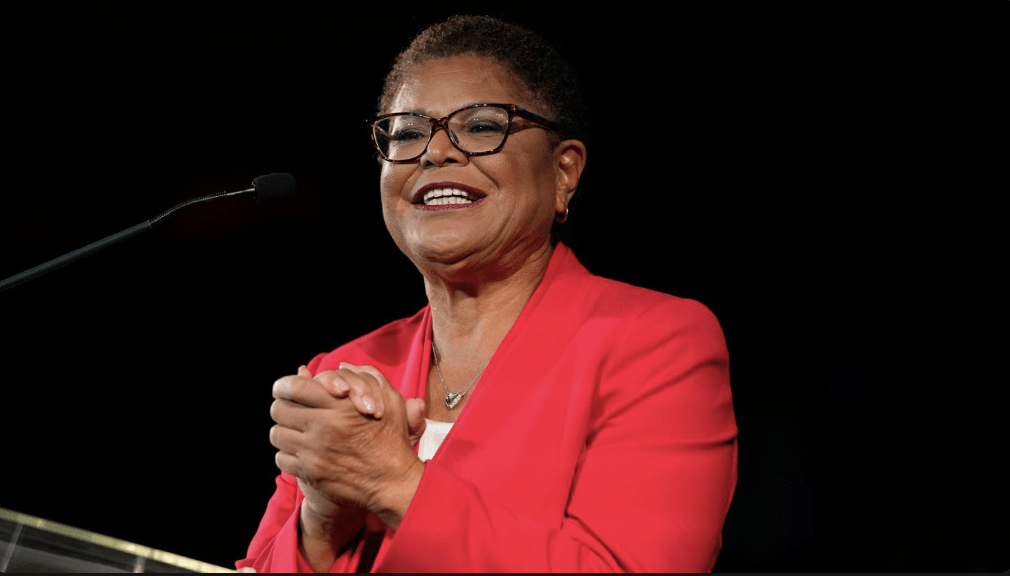
Now federal investigators are circling. Taylor is facing nine felony counts for bank fraud and money laundering in a pattern prosecutors explicitly say matches the Shangri-La scandal. The U.S. Attorney’s task force has requested documents from the city, county, and Weingart. And Mayor Bass’ own staff emails disclose she played a “big role” in fast-tracking the $20 million infusion of taxpayer funds into the flip — despite glaring audit failures inside Weingart’s financials.

But what the public hasn’t seen until now is the money trail. And that trail exposes the same play-to-play pipeline that made Shangri-La possible.
New TRACER records I obtained show that Weingart executives, employees, and affiliated foundations quietly poured $6,428.45 into key political campaigns between 2008 and 2024. On paper, the donations look modest. Individually harmless. But look closer, and a pattern emerges — the same pattern we saw with Shangri-La’s campaign gifts to Supervisors Hilda Solis, Janice Hahn, and Kathryn Barger just before the developers were handed $114 million in Homekey grants and a $20.5 million VA rehab contract that later collapsed in fraud.
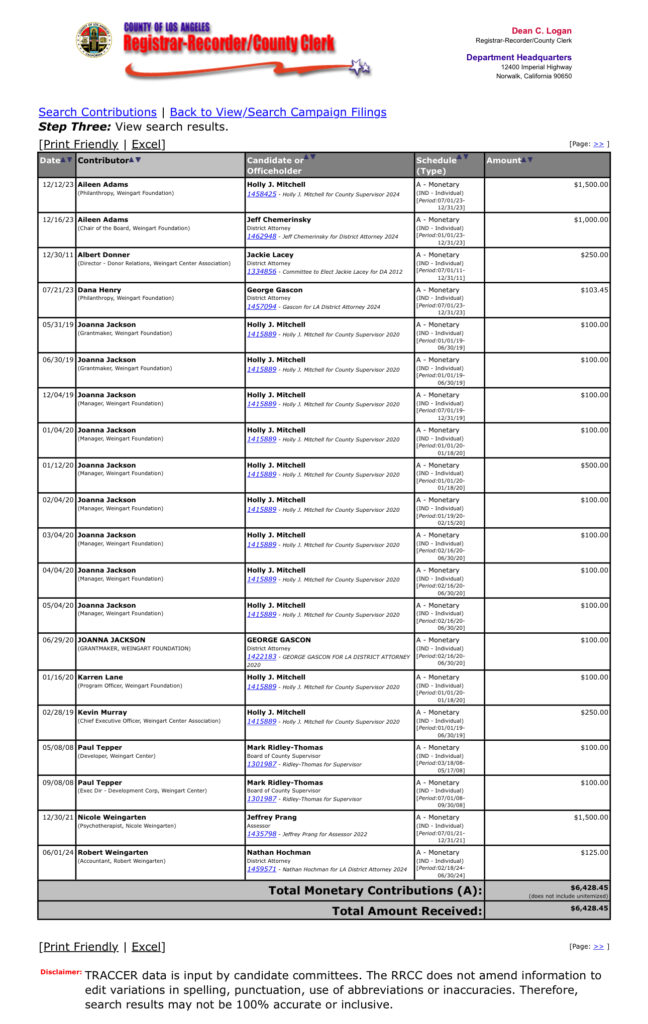
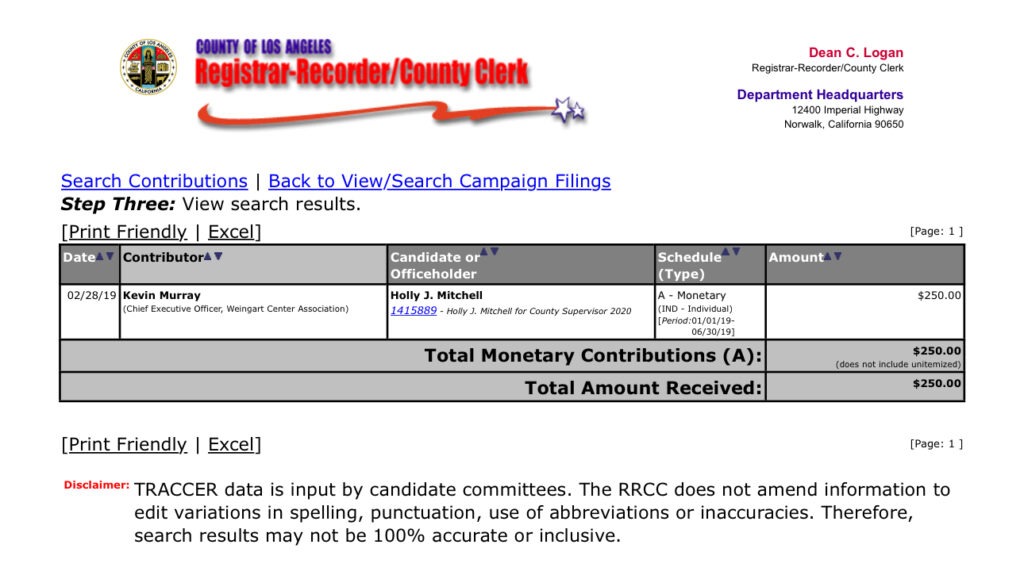
The largest cluster of Weingart-linked donations, more than $5,500 between 2019 and 2023, went straight to Holly J. Mitchell’s Supervisor campaigns. And the timing is not a coincidence. In August 2019, Mitchell co-authored a Board motion that approved more than $5 million in county funds for Weingart’s Hilda L. Solis Care First Village, despite Weingart already failing federal audits. Months before that vote, Joanna Jackson of the Weingart Foundation made four separate contributions to Mitchell’s campaign. Kevin Murray, then Weingart’s CEO and real estate broker of record for the flip, also donated directly. The bundling is unmistakable.
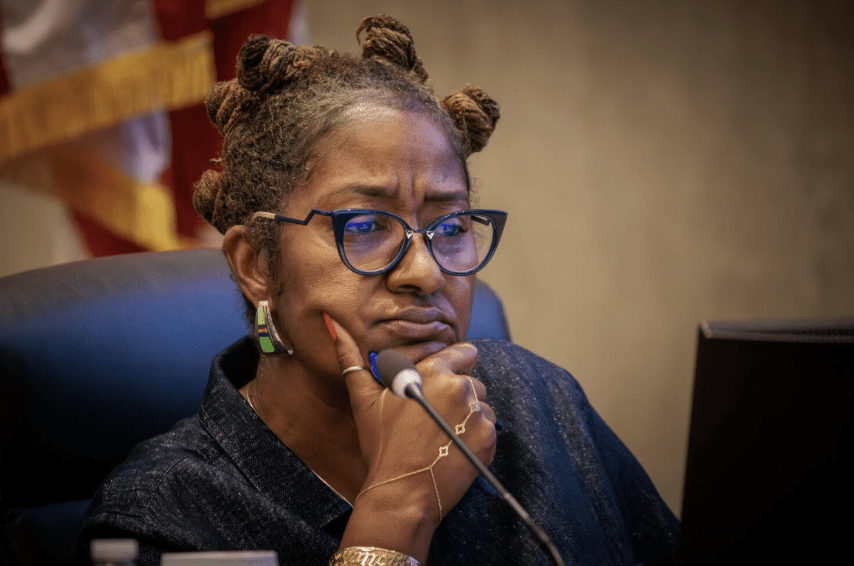
More donations hit Mitchell again in 2020 as she campaigned for Supervisor, just as groundbreaking began on the Solis Village expansion. And then another surge in December 2023, when the Aileen Adams Foundation (whose chair sits atop Weingart’s leadership ladder) cut a $1,500 check to Mitchell’s re-election campaign leading into a June 2024 vote extending Weingart contracts under the Department of Economic Opportunity. Those contracts, worth more than $2 million in subawards, sailed through despite Weingart’s mounting compliance problems.
Meanwhile, Assessor Jeff Prang, whose office controls property valuations that underpin every Homekey project, including the Cheviot Hills flip, received $1,500 from the Weingarten family in 2021. This mirrored a prior $1,000 donation to Prang from Steven Taylor himself in 2015. Valuations became instrumental in propping up inflated deal prices, especially in the Cheviot Hills fiasco, where that bogus BBG appraisal provided political cover for the $16 million markup.
District Attorney candidates were peppered with donations too. George Gascón received money from a Weingart-linked foundation in 2023, at the very moment county agencies were approving Weingart’s Homekey bids. His challenger, Nathan Hochman, got his check in 2024, right after the federal probe was announced. A classic hedge in case the wind changes.
These aren’t random acts of civic participation. These are strategic investments.
Just like Shangri-La funneled donations to Supervisors before landing $114 million in government contracts, Weingart’s network timed contributions around key approvals that pumped more than $100 million into the organization between 2019 and 2024. Despite repeat audit failures. Despite non-compliance. Despite warnings from LAHSA and the state.
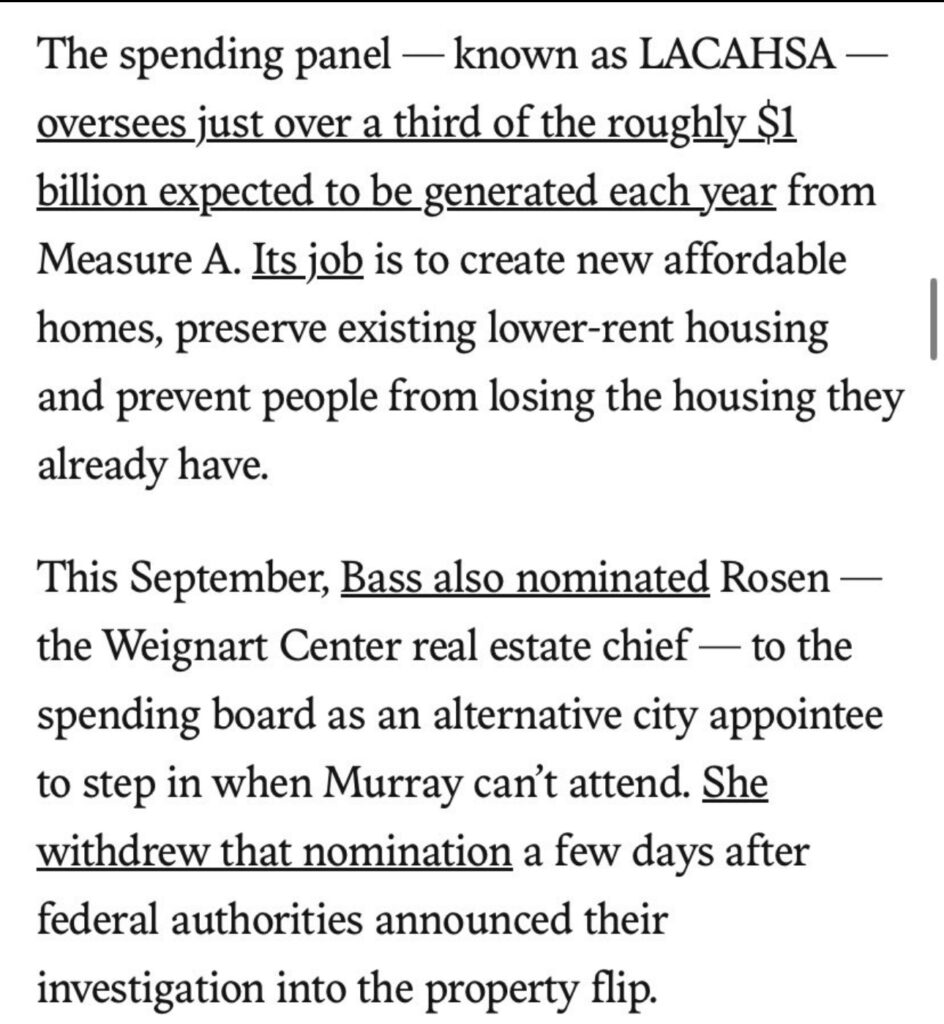
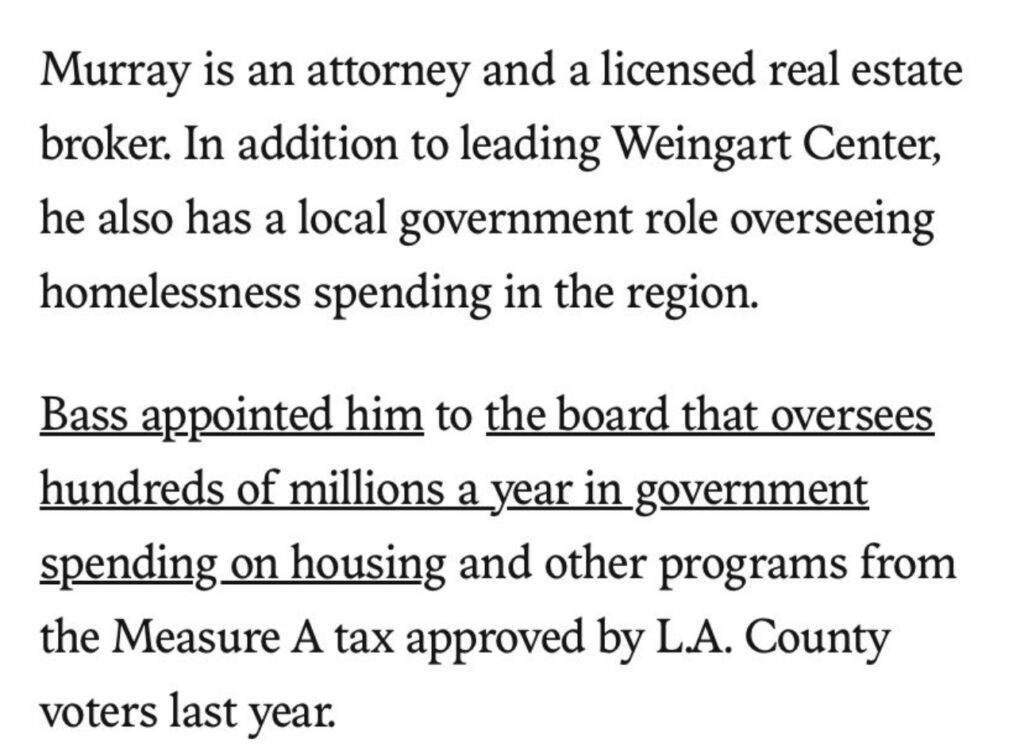
And looming over all of it is Kevin Murray, the former state senator turned Weingart CEO who signed off on the Cheviot Hills agreement and then quietly accepted a prestigious appointment from Mayor Bass to the Los Angeles County Affordable Housing Solutions Agency (LACAHSA). That board, unbelievably, oversees a third of Measure A’s billion-dollar annual funding stream. Murray was put in charge of slicing up that pie while being involved in a $27 million flip now under federal scrutiny.
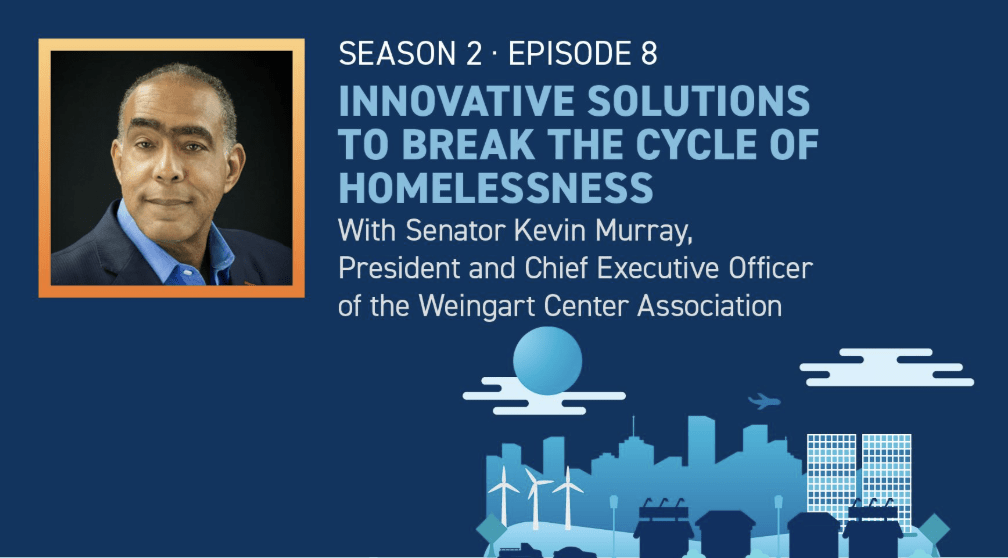
Bass even attempted to seat Murray’s real estate chief, Ben Rosen, the man who handled the logistics of the flip, as Murray’s alternate on the LACAHSA board. Rosen withdrew only after the federal investigation broke into public view. Both men are on administrative leave. Both are lawyering up. Both hold keys to what could become the largest homelessness fraud scandal in LA history if investigators trace the money trail far enough.
The playbook is old, but officials keep betting no one will notice: donate small but strategically, cluster contributions around votes, insulate decision-makers behind “consent calendar” approvals, bury the transactions in a mountain of agendas, and brand everything as “emergency homelessness action.” Meanwhile, the unhoused suffer and taxpayers bankroll the grift.
We saw it with Shangri-La, where insiders padded political campaigns, skipped audits, falsified reports, and walked away with handbags and supercars. We are watching it happen again with Weingart, inflated appraisals, concealed sellers, rigged valuations, coordinated donations, insider appointments, and a revolving door between nonprofits and the politicians who approve their contracts.
This isn’t a homelessness crisis. It’s a political-business enterprise wrapped in moral language and funded by taxpayers who have no idea where their money is going.
Federal prosecutors say the Cheviot Hills case is just the beginning. Taylor’s fraud indictment mirrors Cody Holmes’. The donation timelines echo Shangri-La. The same names appear across motions, approvals, and contributions. And the deeper you dig, the clearer the picture becomes: Los Angeles has built a homelessness empire on backroom deals, political cover, and the systematic diversion of public dollars into private hands.
Weingart’s defenders insist the donations are legal. And they’re right, on paper. But legality is not integrity. Transparency is not influence. And the timing of those clustered contributions, lined up like breadcrumbs before every major contract approval, makes one thing painfully clear: the homelessness industrial complex isn’t broken. It’s functioning exactly as designed.
Los Angeles, wake up. This is your money. Your crisis. Your politicians. Your future. The pay-to-play pipeline must end, but it won’t unless the public demands audits, demands indictments, and demands the truth.
Because while officials tout “zero tolerance for fraud,” the receipts – literally – tell another story… and the dominoes are falling.