
A major legal setback for the Los Angeles Department of Water and Power (LADWP) has been followed almost immediately by a leadership shakeup at the top of the agency, raising new questions about accountability inside one of the most powerful public utilities in the United States.
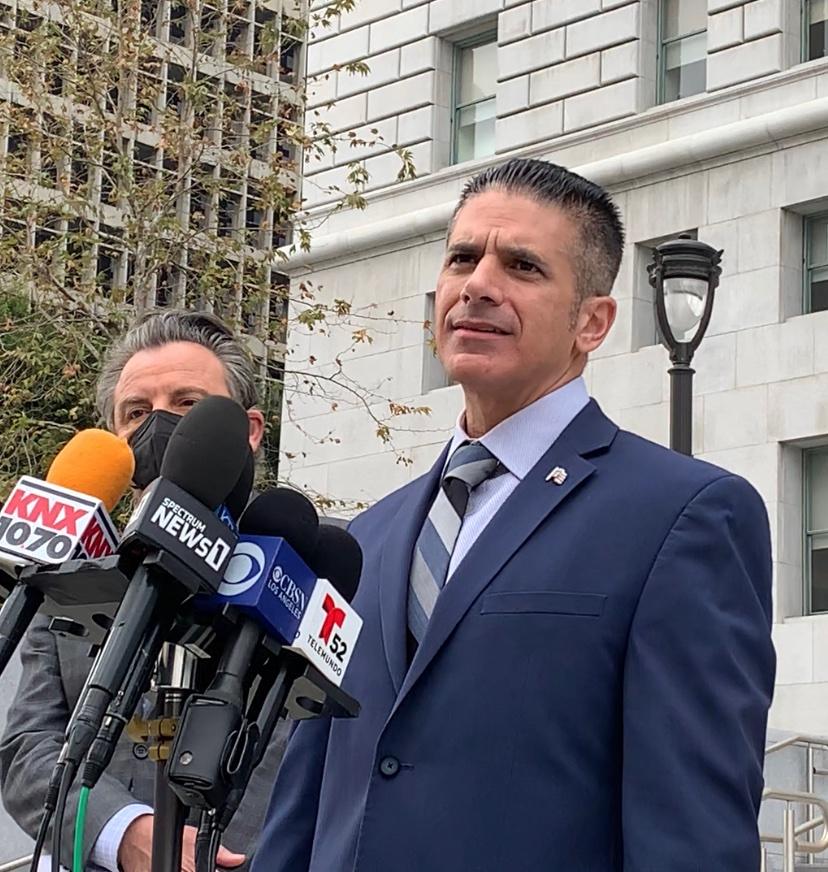
The development first surfaced publicly through a post by wildfire attorney Trey Robertson, who is serving as lead counsel for plaintiffs in litigation tied to the Palisades Fire. Robertson disclosed that a judge overseeing the case overruled LADWP’s demurrer to the plaintiffs’ Master Complaint, allowing the lawsuit to proceed.
The ruling is significant.

By rejecting LADWP’s attempt to dismiss the case at the pleading stage, the court determined that the claims laid out in the Master Complaint are legally sufficient to move forward. In practical terms, that means the litigation now advances into discovery, the phase where internal records, communications, engineering reports, and executive-level decision making can be examined under oath.
Robertson noted that the decision leaves LADWP potentially facing billions of dollars in liability if the allegations are ultimately proven.

Within hours of the legal development becoming public, LADWP General Manager and CEO Janisse Quiñones resigned from her position.
The timing of that resignation has raised immediate questions across legal and policy circles.
While no official statement has tied Quiñones’ departure directly to the court ruling, leadership changes during high-stakes infrastructure litigation are rarely viewed in isolation. When cases move into discovery, agencies can be compelled to produce extensive internal documentation, including emails, maintenance records, fire mitigation planning documents, and communications between executives and government officials.
Those materials often become the most consequential evidence in complex public-utility lawsuits.
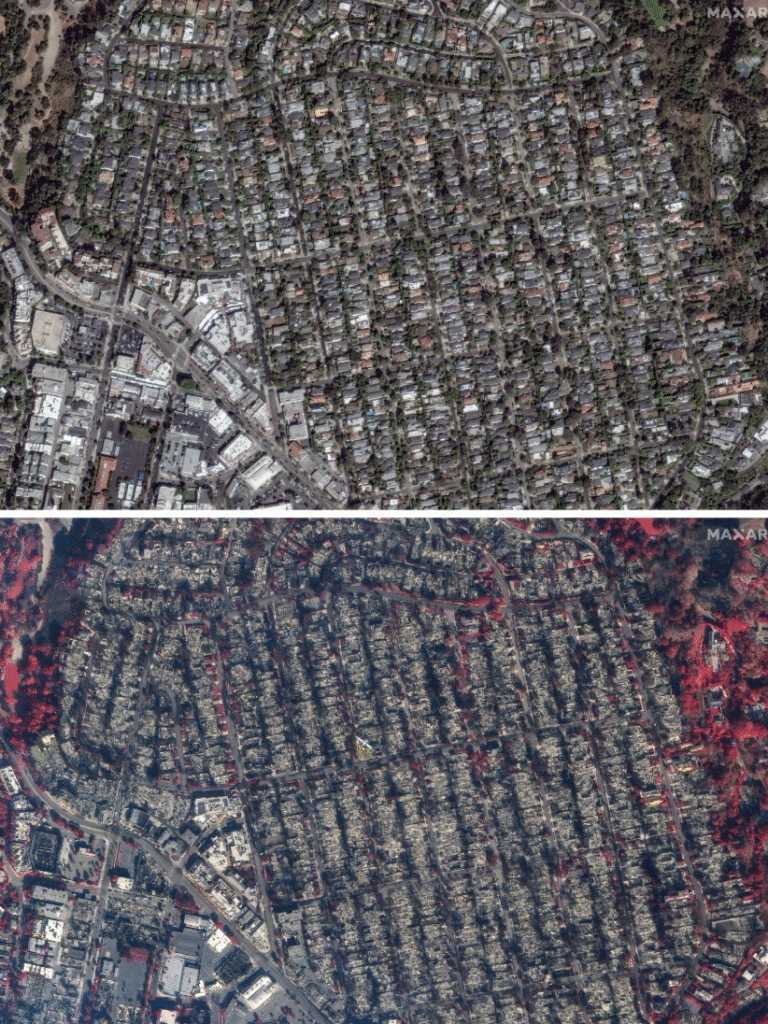
The litigation itself centers on allegations that LADWP infrastructure and operational practices contributed to conditions surrounding the Palisades Fire. Plaintiffs argue that failures involving maintenance, risk mitigation, and fire preparedness allowed circumstances that resulted in widespread destruction.
If those claims are validated through the litigation process, the financial exposure could be enormous.
Public utilities in California have already faced massive wildfire-related liability in recent years. The Pacific Gas & Electric wildfire cases demonstrated how infrastructure failures can quickly evolve into multi-billion-dollar legal battles with sweeping political and regulatory consequences.
The case involving LADWP now appears poised to move down a similar path.
As discovery begins, attorneys will seek internal records that could shed light on how LADWP assessed wildfire risk in the Palisades area, what mitigation strategies were implemented, and whether warnings or internal concerns were raised prior to the fire.
For the City of Los Angeles, the stakes extend far beyond the courtroom.
LADWP serves more than four million residents and operates under the authority of city government. Any large judgment or settlement would inevitably reverberate through municipal finances, ratepayer costs, and public oversight of the utility.
For now, the judge’s ruling ensures that the case will proceed, and that the internal operations of one of the country’s largest municipal utilities may soon be examined in extraordinary detail.
What began as wildfire litigation is rapidly becoming something larger: a test of institutional accountability, infrastructure management, and leadership inside the agency responsible for powering Los Angeles.
And with its top executive now stepping down, the scrutiny surrounding LADWP is only intensifying.