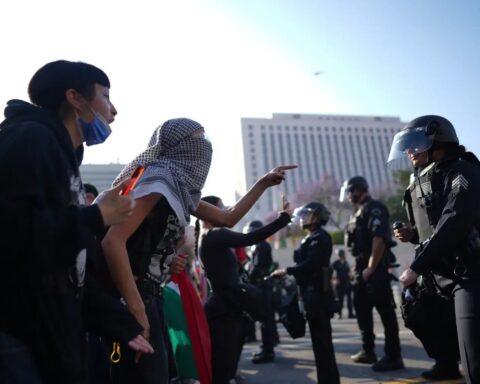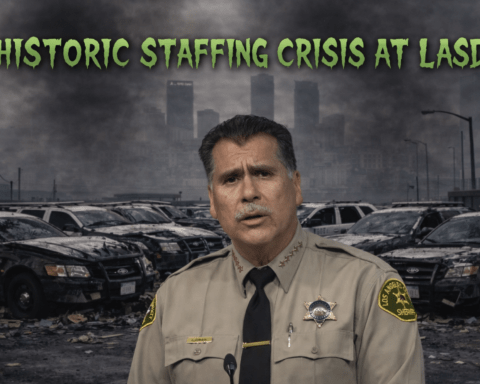
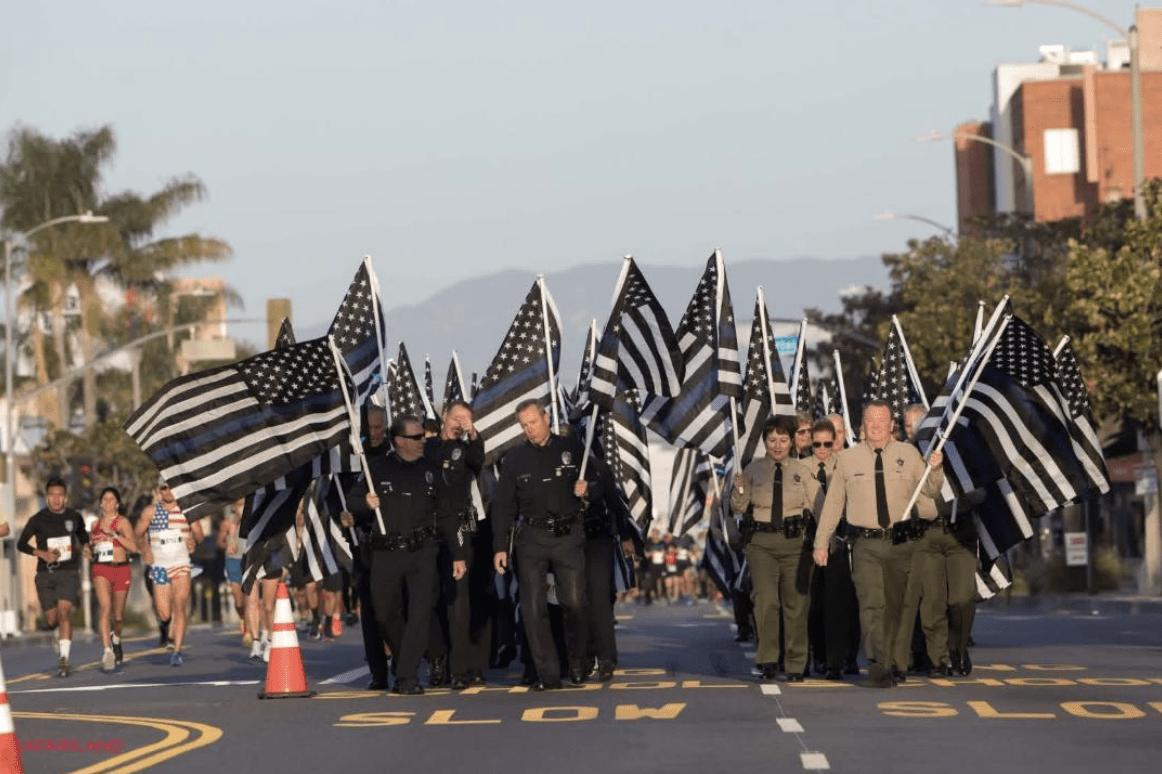
As the smoke clears on the tenure of former LAPD Chief Michel Moore, a disturbing pattern of strategic patronage and weaponized internal investigations is coming into focus. What was once touted as a historic crackdown on a “rogue” gang unit in the Mission Area is increasingly being revealed as a calculated effort to debt-load subordinates, insulate Moore’s closest allies, and systematically dismantle perceived rivals.
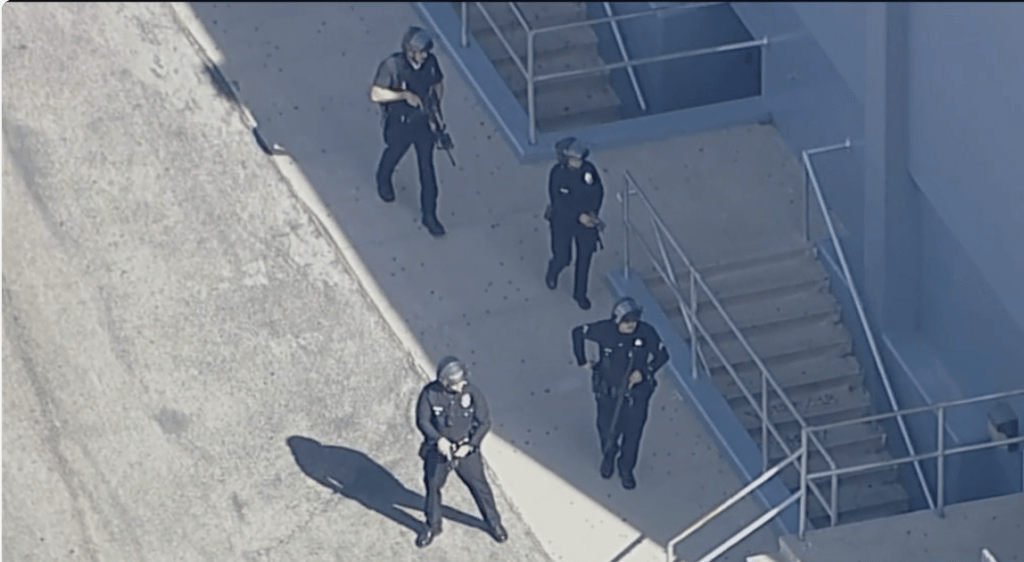
The hallmark of professional oversight is the duty to intervene. Yet in the Mission GED investigation, LAPD leadership did the opposite. After learning of potential misconduct, the Special Operations Division, SOD, the Internal Affairs surveillance team, continued to monitor the officers for several months, allowing the alleged misconduct to continue rather than stopping it immediately.
Instead of intervening, leadership, including then-Captain John Shah and then-Deputy Chief Rimkunas, allowed the situation to prolong. They were not protecting the public. They were “hunting the big elephant,” hoping to manufacture a “New Rampart” scandal that could elevate careers and cement Moore’s legacy. By leaving these officers in the field, Moore’s loyalists effectively allowed potential criminal behavior to continue in order to ensure that the administrative trap they were constructing would be airtight.
One of the most glaring omissions in the department’s public narrative is what insiders refer to as the “Foothill connection.” The officers at the center of the Mission scandal originally served in Foothill Area, where the first complaint that eventually triggered the investigation reportedly surfaced. At the time, the command staff there was led by Captain Johnny Smith, a long-time associate of Moore and widely regarded within the department as one of his closest allies.
Under Smith’s watch, these officers allegedly developed the very practices that later exploded into controversy at Mission, including repeated body camera deactivations. Yet Smith remained effectively untouchable. Despite allegations that included documented racial slurs, most notably a “wetback” comment, and instances of intimidation toward subordinates, including telling an officer under his command, “Why are you looking at me, did I f*** your wife?” Smith was shielded by Moore and allowed to quietly navigate the department through transfers.
By labeling the Mission situation a localized failure, Moore ensured that any meaningful audit would never reach the poisoned well allegedly left behind at Foothill. In a particularly striking twist, Smith later filed a lawsuit claiming he was a whistleblower regarding body-worn camera activations. Yet as the Area Captain, the responsibility was not merely to “blow the whistle,” but to pull officers out of the field and impose accountability. Critics inside the department argue that Smith did neither. Some colleagues privately contend that Smith appeared more frequently at Galpin Ford or riding his bike than at his command post.
The hypocrisy of Moore’s two-tiered justice system is perhaps most clearly illustrated in the handling of former Assistant Chief Jorge Villegas. When confronted with concerns about Villegas’s conduct, Moore reportedly told those raising alarms, “Give me 100 days to address it.”
In hindsight, those 100 days appear not to have been used to build a case but to build a fortress. Moore’s version of addressing the situation was, critics say, simply allowing the clock to run.
When the media began to uncover the Villegas scandal, Moore retreated behind California’s strict personnel confidentiality laws, declining public comment and asserting that there were “no criminal actions.” The irony was difficult to ignore. The same Special Operations Division that had allowed the Mission officers to remain under surveillance for months had also reportedly observed sexual conduct in public involving Villegas.
A similar dynamic surfaced in the case involving Officer Dawn Silva and Assistant Chief Jorge Villegas, where surveillance was allegedly called off by Moore in what critics claim was an effort to protect a friend and confidant. Yet in a stark departure from that cautious approach, Moore publicly named Assistant Chief Al Labrada in the media before any facts had been verified, effectively convicting him in the court of public opinion while discarding the very confidentiality protections he had previously invoked.
In what many inside the department describe as a final attempt to secure the narrative, investigators have now attempted to label one Mission officer a “gang member” simply for flying a Mission Division unit flag. The allegation has raised eyebrows given Moore’s own history of publicly posing with the Thin Blue Line flag before later banning it amid political pressure from activists.
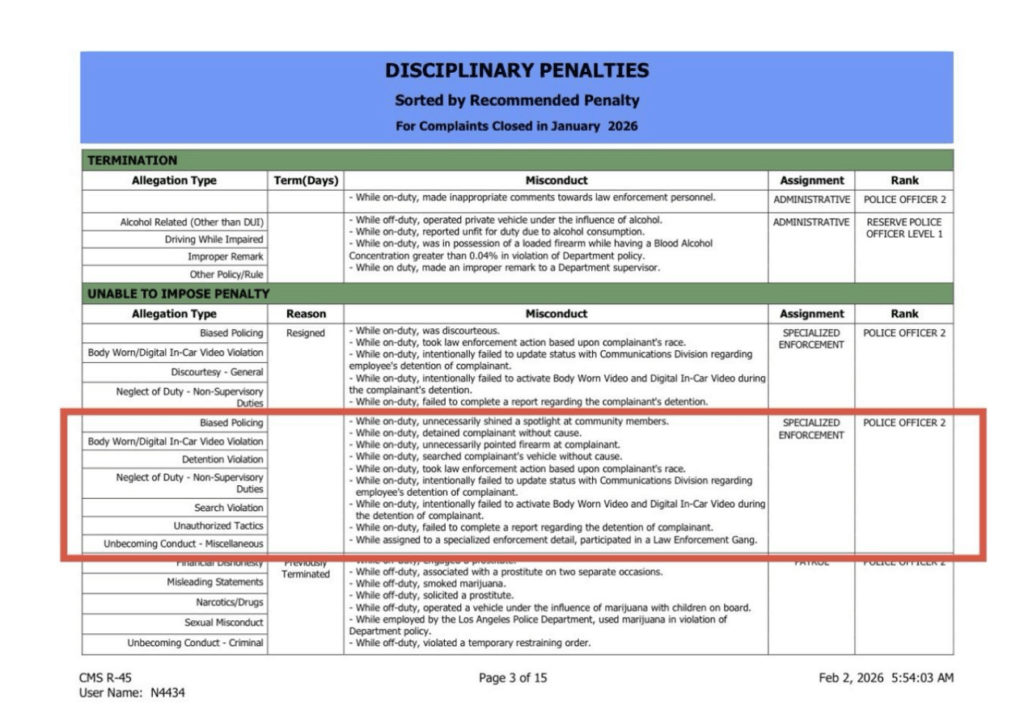
To critics, the contrast is emblematic of a department increasingly driven by political expediency rather than consistent principles. Moore’s willingness to shift positions under pressure while criminalizing unit symbolism has deepened concerns about leadership credibility.
Chief Jim McDonnell has since inherited the fallout from this internal conflict. Yet rather than dismantling what some officers describe as a dysfunctional witch hunt, the process has largely remained frozen in place. The Mission captain, a lieutenant, and two sergeants remain sidelined at home while waiting for Board of Rights proceedings to determine failures that many insiders say leadership already knew existed.
For those watching closely, McDonnell’s inaction has become a tacit endorsement of the stalling tactics that critics argue were designed to silence those who questioned the official narrative surrounding Mission.
The broader situation surrounding the LAPD Mission gang unit reflects a classic organizational failure in which internal power dynamics overshadow transparency and accountability. Observers note that interim Chief Dominic Choi’s actions appear to have been a continuation of groundwork laid under Moore, producing what some describe as a scattershot approach to accountability.
By sweeping large numbers of personnel into the investigation while simultaneously keeping frontline leadership in the dark, the department appeared to be operating under a wait-and-see strategy. The implication is that top leadership did not fully understand the scope of the alleged misconduct and was instead searching for a defining scandal that ultimately never materialized.
The result has been a dismantled unit, fractured morale, and supervisors now facing termination for issues that critics argue were known long before the investigation ever became public.
Meanwhile, Moore’s handling of senior leadership created what insiders describe as a culture of debt-loading. By allowing Villegas to quietly exit and reportedly sparing Rimkunas from scrutiny related to a domestic violence incident in Santa Clarita, Moore cultivated a network of loyalty rooted not in institutional integrity but in personal indebtedness.
Perhaps the clearest example of that dynamic, critics argue, is Commander John Shah. Widely criticized by peers, union directors, and even supervisors, Shah nonetheless rose within the department. Former Assistant Chief Al Labrada himself reportedly observed leadership failures by Shah while working in South Bureau.
When a senior officer maintains a hidden disciplinary file that the Chief of Police chooses to ignore, critics contend that loyalty shifts away from the badge and toward the chief personally. According to multiple internal sources, that dynamic helped populate Internal Affairs with individuals willing to pursue the Mission GED investigation and other targeted probes while ignoring long-standing problems that originated in Foothill.
Former Chief Michel Moore publicly acknowledged the investigation into Assistant Chief Jorge Villegas in a recorded statement, citing “personnel matters” and state law as the reason for refusing further comment. The video of that statement remains a stark reminder of the selective standards that many inside the department believe defined Moore’s tenure.