Editor’s Note 3/9/26: The judge dismissed the case. It will not move forward to re-trial.
A Los Angeles County jury’s inability to reach a unanimous verdict in the high-profile lawsuit Benjamin Torres v. County of Los Angeles has forced a retrial, set to begin next week with a new panel. The case, which spotlights alleged discriminatory promotional practices within the Los Angeles County Sheriff’s Department (LASD), has taken on new significance with recent court testimony exposing stark inconsistencies in Sheriff Robert Luna’s long-standing narrative about “deputy gangs” within the department.
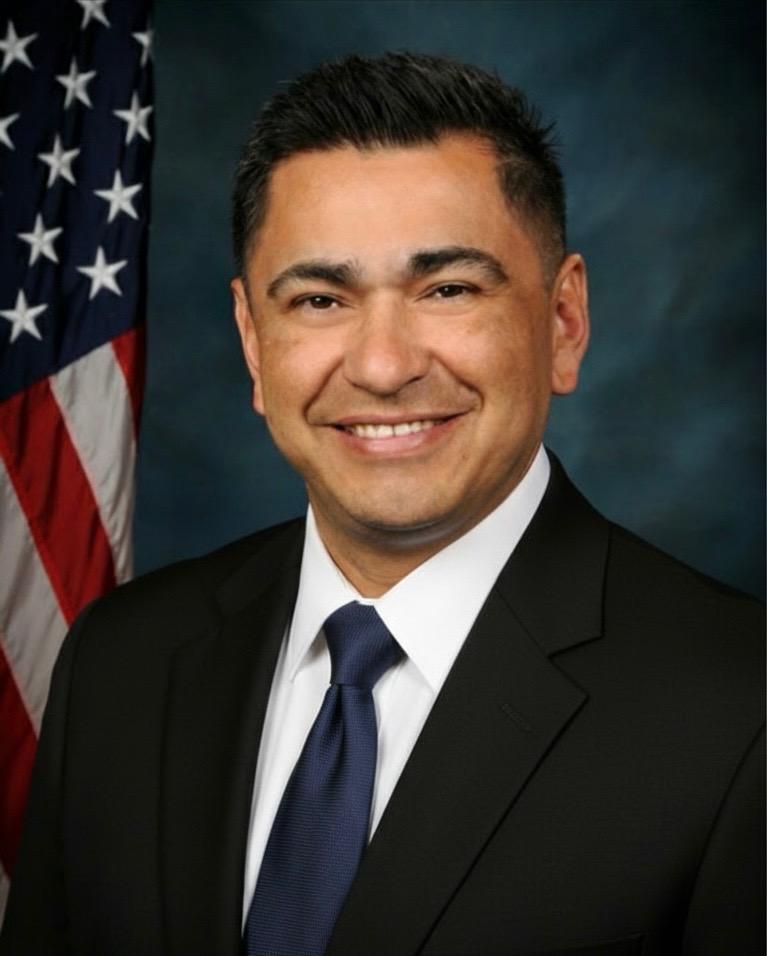
Captain Benjamin Torres, a veteran with more than 30 years of service and a largely unblemished record, alleges he was repeatedly denied promotion to commander because he refused to remove or alter his Century Station Regulator tattoo, a symbol associated with controversial deputy subgroups. The hung jury came after days of testimony and arguments, underscoring deep divisions over whether an unwritten policy effectively bars candidates with such tattoos from leadership roles.
Testimony revealed that candidates for promotion from Captain to Commander are routinely asked about station tattoos during interviews, but responses are not documented in official records. Torres’ legal team argues this omission is intentional, shielding the practice from litigation and public scrutiny. Evidence showed that since 2023, 34 commanders have been promoted over Torres, all of whom either lacked tattoos or had removed or covered them. Torres, who views his tattoo as a symbol of station pride rather than gang affiliation, refused modifications and remains a captain.
The county maintains Torres was simply not the strongest candidate, emphasizing a reformed interview process designed to reduce favoritism. Witnesses described a multi-stage filtering system, including qualification for “Band One” eligibility and chief-selected interviews, which can narrow the field before final decisions.
Recent developments in the retrial, which began in federal court under U.S. District Judge R. Gary Klausner in March 2026, have amplified scrutiny on Sheriff Luna’s handling of the deputy gang issue. Nearly four years into his term, Luna was elected in November 2022 and took office in December of that year, testimony from his own executive staff has contradicted his public stance.
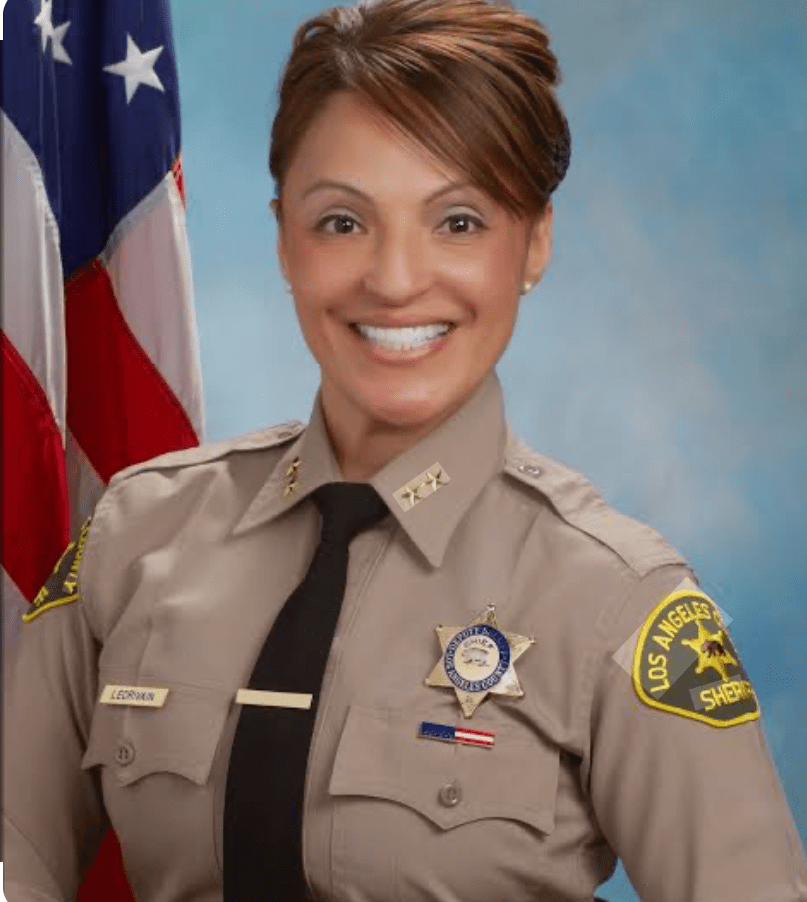
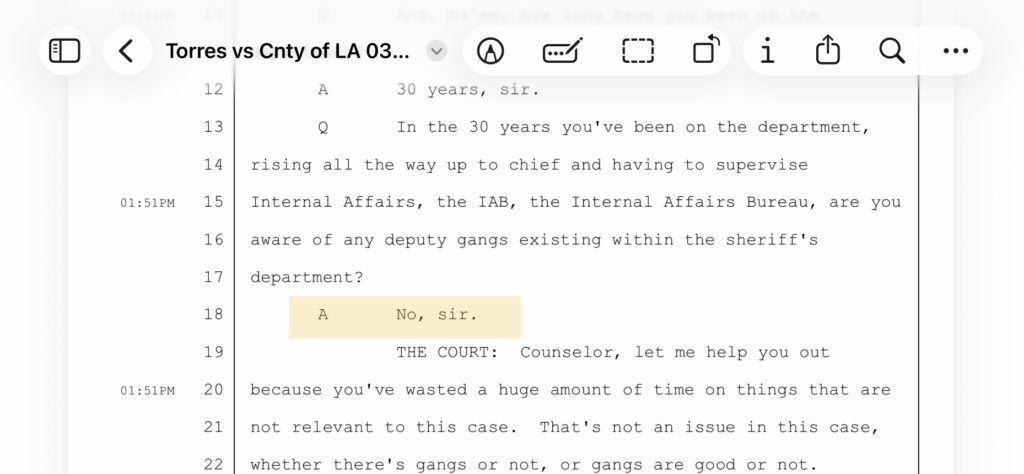
During redirect examination, Chief Laura Lecrevain, head of the Professional Standards Division overseeing the Internal Affairs Bureau (IAB), testified under oath that in her 30-year career she is “not aware of any deputy gangs existing within the sheriff’s department.” When pressed again, she reiterated, “No, sir.” The admission came despite Luna’s repeated public assertions that such gangs persist and his campaign promises to eradicate them.
Lecrevain’s testimony raised an even more troubling question about the department’s internal oversight structure. While testifying against Captain Torres, she stated that “the Sheriff doesn’t have access to Internal Affairs files.” The remark stunned observers in the courtroom. If accurate, it raises a fundamental question about accountability inside the department: how can the elected sheriff claim to be confronting misconduct, including the alleged problem of deputy gangs, if he does not have access to the very investigative files documenting internal discipline and misconduct?
The statement cuts to the heart of the narrative surrounding the issue. For years, the existence of deputy gangs has been used as a central justification for policy reforms, political messaging, and the creation of new oversight structures within LASD. Yet the sworn testimony of the very official overseeing Internal Affairs suggests the department’s top leader may not even have direct access to the files that would confirm or refute those allegations.
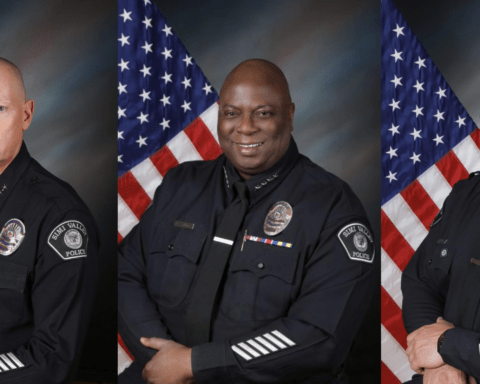
Assistant Sheriff Myron Johnson, third in command and a key member of Luna’s executive team, also testified but did not directly address the existence of gangs. However, his role in promotional interviews and oversight of patrol operations places him at the center of the department’s leadership structure, where such knowledge would typically be expected.
These statements sharply contrast Luna’s pre-election rhetoric. During his 2022 campaign, Luna blasted former Sheriff Alex Villanueva for refusing to acknowledge deputy gangs, calling it a failure of leadership. In a NewsNation report from early 2023, Luna stated, “The public, the community believes that this is occurring. And at the end of the day, we’re accountable to our community in the county. And until we prove otherwise, the problem exists.” He pledged to use recommendations from a Civilian Oversight Commission (COC) special counsel report to address the issue, including creating a new Office of Constitutional Policing.
The February 2023 COC report, led by Special Counsel Bert Deixler, detailed a 50-year history of deputy gangs and cliques within LASD, identifying groups such as the Banditos, Executioners, Regulators, Spartans, Reapers, and Rattlesnakes. It described harmful behaviors including excessive force, intimidation, falsified reports, and exclusionary practices that undermine department morale and public trust. The report estimated that 15 to 20 percent of deputies may be affiliated and recommended sweeping reforms in leadership, policy, rotations, and accountability.
The report emphasized that cliques often evolve into gangs, meeting California’s Penal Code definition of “law enforcement gangs” through patterns of civil rights violations. Luna has frequently echoed this narrative in media appearances and to Democratic Party donors, positioning himself as the reformer tackling an entrenched problem that former Sheriff Alex Villanueva allegedly ignored.
Critics, however, argue the deputy gang narrative was spearheaded by the Los Angeles County Board of Supervisors to politically undermine then-Sheriff Alex Villanueva, frightening the public into believing unchecked gangs ran rampant under his watch. In reality, Villanueva was the first sheriff in LASD history to implement a formal policy against deputy gangs and cliques in 2021, prohibiting participation and symbols tied to harmful conduct.
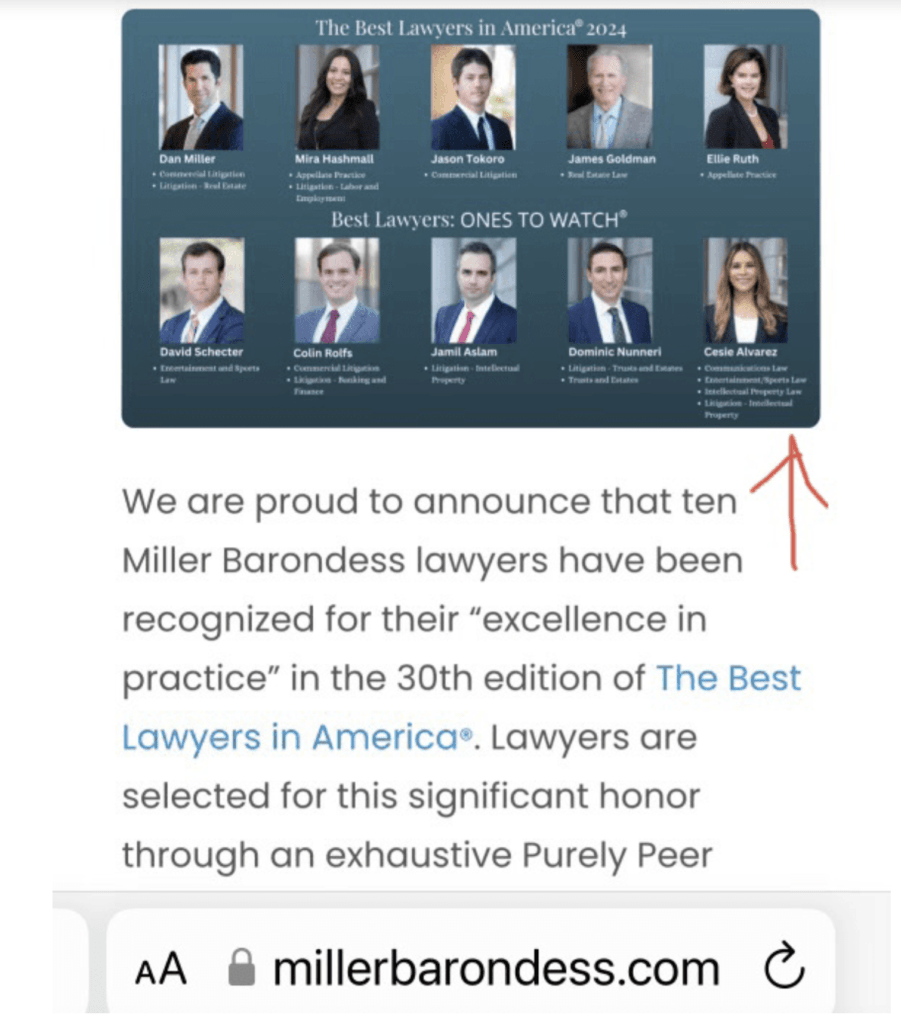
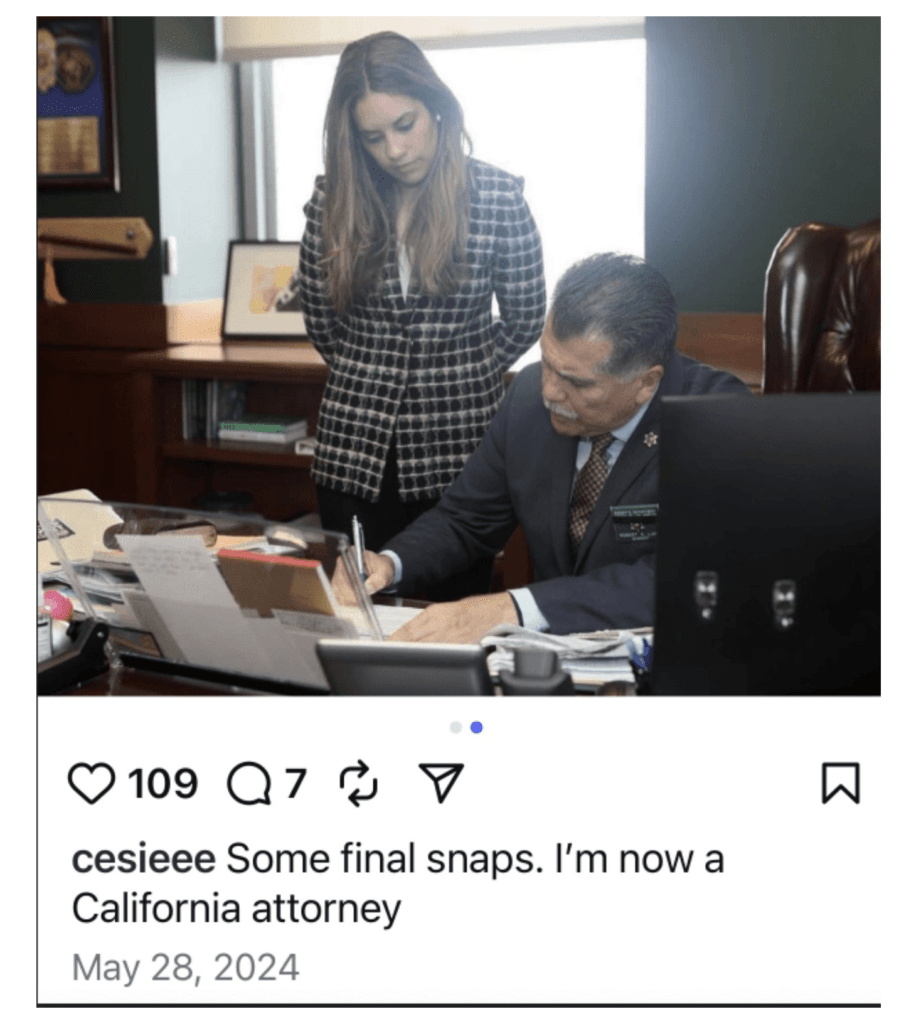
Torres’ lawsuit, filed in May 2025, alleges violations of his First Amendment rights, claiming the tattoo question and the lack of documentation create a chilling effect on free expression. The case has also drawn attention to Luna’s family ties as Luna’s daughter, Cesie Alvarez, was at on point employed at Miller Barondess, the firm defending the county. While Alvarez is not directly involved in the case, the optics have fueled questions about potential conflicts of interest.
The COC report urged immediate action, warning that promoting former gang members, including past undersheriffs with tattoos, reinforces their influence. Yet under Luna, the department’s policy requires both symbolic affiliation and misconduct for a violation, and Lecrevain’s testimony suggests no active gangs exist to enforce against.
In line with his pledges, Luna established the Office of Constitutional Policing shortly after taking office, staffing it with 24 positions including attorneys and support personnel at an initial cost exceeding $6 million to taxpayers. The office was tasked with overseeing reforms and investigating deputy gangs.
Additionally, Luna quietly assembled what sources describe as a dedicated internal task force focused on deputy gangs, involving numerous personnel from various divisions. These initiatives, aimed at addressing a problem that his own chief of Internal Affairs testified under oath does not exist, have collectively cost Los Angeles County taxpayers millions of dollars in salaries, resources, and operational expenses.
Critics contend those funds could have been redirected toward hiring additional deputies to address the department’s chronic staffing shortages, which have driven excessive overtime costs. In the last fiscal year alone, LASD spent $458 million on overtime, with projections for the 2025–2026 fiscal year exceeding $500 million due to understaffing and expanding responsibilities. Reducing overtime through new hires, they argue, could alleviate deputy burnout and improve public safety rather than funding efforts aimed at a non-existent threat.
Opponents accuse Luna of hypocrisy and deception, claiming he has misled the Civilian Oversight Commission, the media, and the public in order to sustain the deputy gang narrative for political purposes, even as his own chief admits under oath she has no knowledge of such gangs. “Luna has kept this myth alive knowing full well the truth,” one anonymous LASD source said, echoing sentiments raised in the lawsuit.
Further revelations from last week’s testimony have intensified criticism of Luna’s promotional reforms. Assistant Sheriff Myron Johnson admitted under oath that the interview process implemented by Luna is “not fair,” describing it simply as “just a process.” When pressed on whether it was designed for transparency, a word Luna has repeatedly used to describe the reforms, Johnson acknowledged hearing Luna use the term but questioned the transparency of intentionally omitting documentation for the tattoo question.
Johnson and other executive staff testified that Luna insisted on knowing “everything” about promotion candidates, including their tattoo history, to avoid potential issues such as alliances or conflicts. Johnson explained, “The sheriff wants to know everything about every candidate… good, bad, indifferent.”
Critics argue that explanation contradicts the COC’s recommendations by framing the tattoo question as a broad vetting tool rather than a targeted inquiry into alleged gang affiliations. The COC explicitly advised asking about gang or clique affiliations during promotions only if such groups posed a real threat, a premise now undermined by Lecrevain’s sworn testimony.
Insiders claim Luna was pressured to incorporate the tattoo question to appease the COC and demonstrate action against a problem many inside the department believe was exaggerated. By mandating questions about symbols without documented misconduct, critics say the process skirts the department’s own anti-gang policy, which requires both elements for a violation.
Detractors argue the result is a system that creates the appearance of reform while quietly maintaining barriers that stall careers like Torres’.
As the retrial looms, the case raises broader questions beyond a single promotion. It exposes fractures within Luna’s administration and the competing narratives shaping public perception of LASD. Whether the next jury focuses narrowly on Torres’ qualifications or weighs the broader contradictions surrounding the deputy gang issue could ultimately determine not only the verdict, but the credibility of leadership inside one of the nation’s largest law enforcement agencies.
*This is Part One of a series.