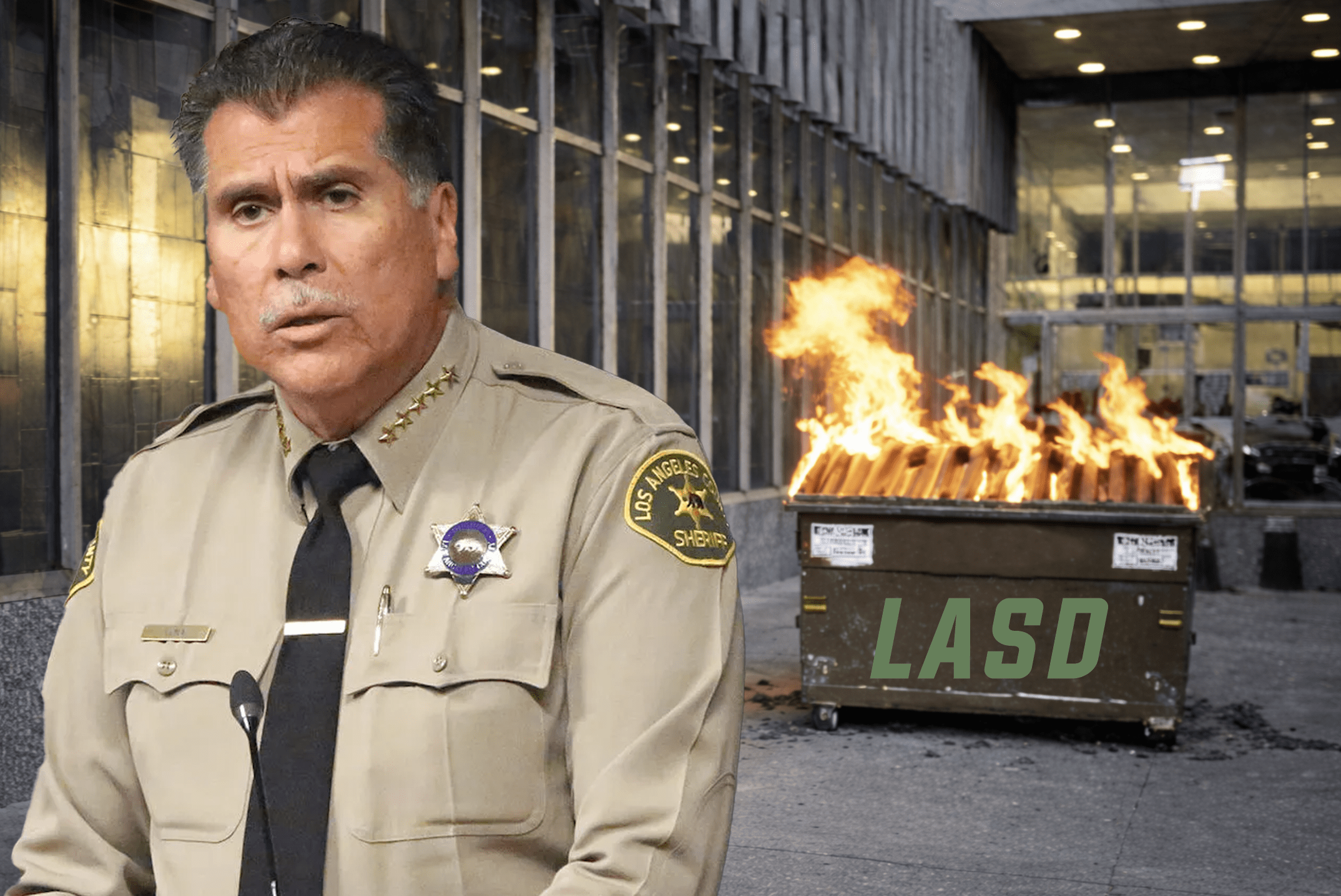
Sheriff Robert Luna’s recent self-congratulatory claim of “remarkable success” in public safety for 2025 borders on delusion.
While Luna celebrates manufactured victories and hollow narratives of accountability, the lived reality across Los Angeles County tells a far darker story, one marked by fatal explosions, systemic technological failures, mounting civil rights lawsuits, catastrophic wildfire response breakdowns, and a sheriff who repeatedly sacrifices his own deputies to appease political pressure.
The record is not ambiguous. It is damning.
On New Year’s Eve 2024, the Los Angeles County Sheriff’s Department suffered a full collapse of its obsolete Computer-Aided Dispatch system, forcing deputies into manual, paper-based “blind dispatch” on one of the most dangerous nights of the year. Calls were logged by hand, communications reverted to radio traffic, and response coordination was left vulnerable when public safety mattered most.
One year later, nothing has changed.

On December 31, 2025, an internal LASD bulletin again ordered patrol stations into self-dispatch mode from 2300 to 0500 hours due to anticipated CAD failures during the year transition. Deputies were instructed to rely on voice broadcasting, handwritten logs, and the backup ALT-CAD platform, technology so outdated it should have been retired decades ago. The department did not suffer an unexpected glitch; it planned for failure because failure has become routine.
Sheriff Robert Luna publicly promised the CAD system would be replaced. A year later, an internal memo confirms the problem remains unresolved. This is not a knowledge gap. Luna inherited direct warnings from former Sheriff Alex Villanueva, who repeatedly identified the 30-plus-year-old CAD system as the department’s single most critical public safety vulnerability. Villanueva spent four years pressing the Board of Supervisors to replace it. Those efforts were ignored.
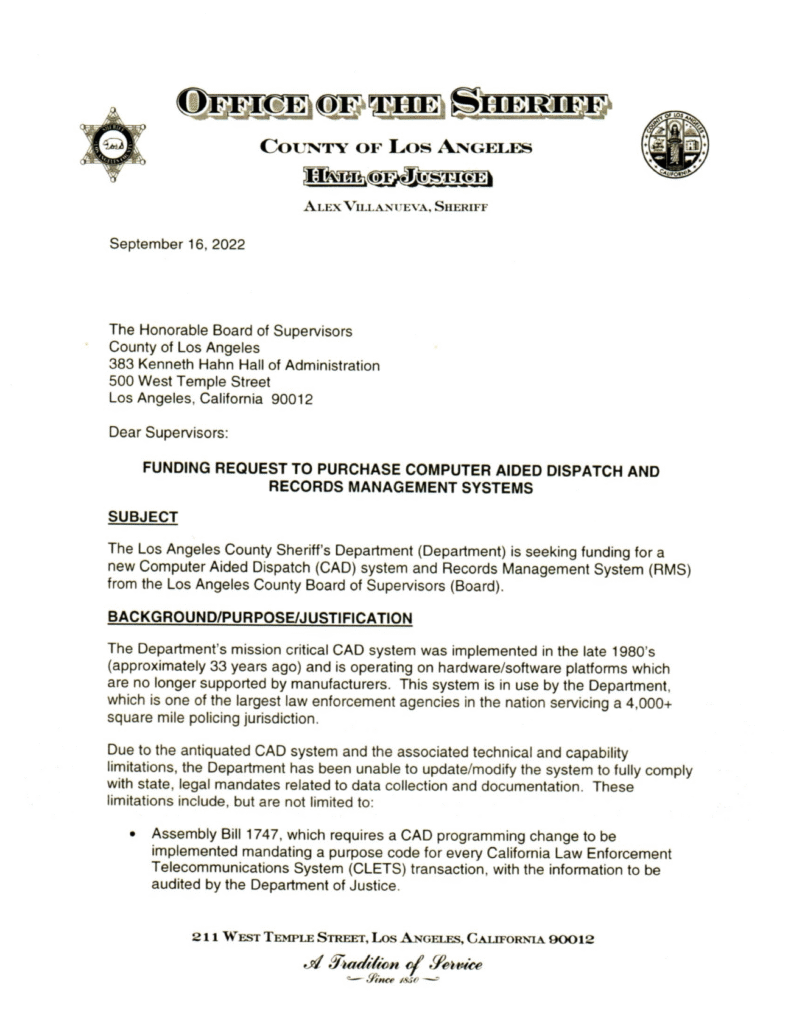
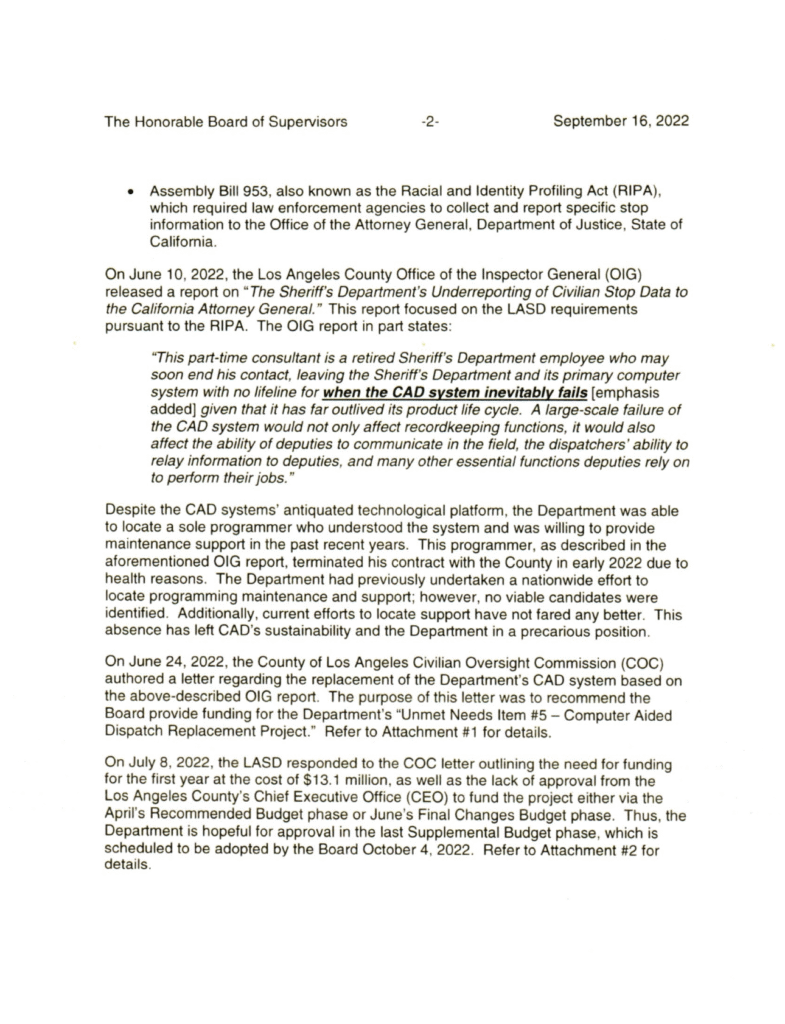
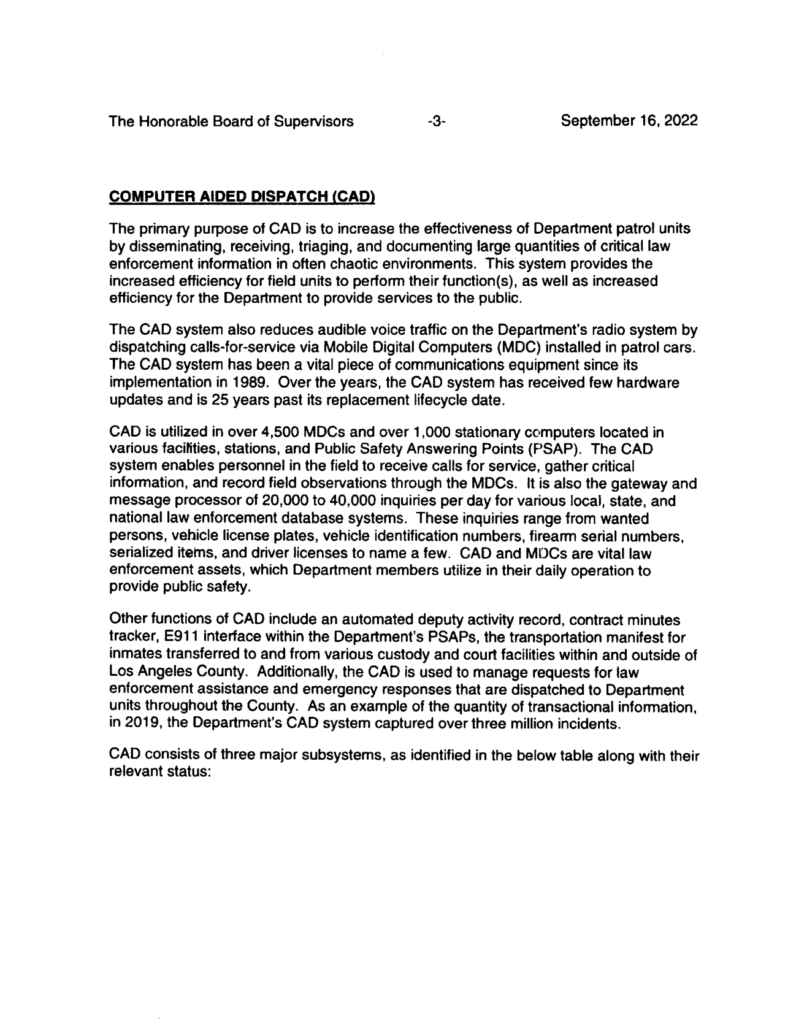
Luna’s assurances have fared no better. As he enters his fourth year in office, the CAD system is nowhere near replacement, despite repeated failures and explicit advance notice of the risk. The message is unmistakable: the danger is known, the fix is available, and leadership has chosen delay over action, leaving deputies and the public exposed, year after year.
This is not progress. It is institutional negligence on repeat.
During the devastating January wildfires that scorched Pacific Palisades, Malibu, Altadena and other parts of Los Angeles County, Sheriff Robert Luna’s leadership was conspicuously absent at critical moments when decisive action mattered most. As the Palisades and Eaton fires became one of the deadliest and most destructive wildfire events in county history, internal sources and reporting found that LASD failed to adequately plan and deploy evacuation resources, leading to a staggering loss of life and leaving communities exposed even after days of advance warnings and field intelligence pointing to an imminent catastrophe.

In layman’s terms, Luna failed to prepare for what would arguably be the largest single disaster in the history of Los Angeles. While liability is being litigated across agencies and utilities, LASD’s ground-level failures under Luna’s command are undeniable.
When President Trump toured the Palisades devastation to engage federal leadership on disaster response, Luna, the head of the largest Sheriff’s Department in the country, was missing in action, forfeiting an opportunity to advocate for his community and underscore the department’s role in recovery, highlighting a pattern of weak, performative leadership amid crisis rather than bold, accountable command.
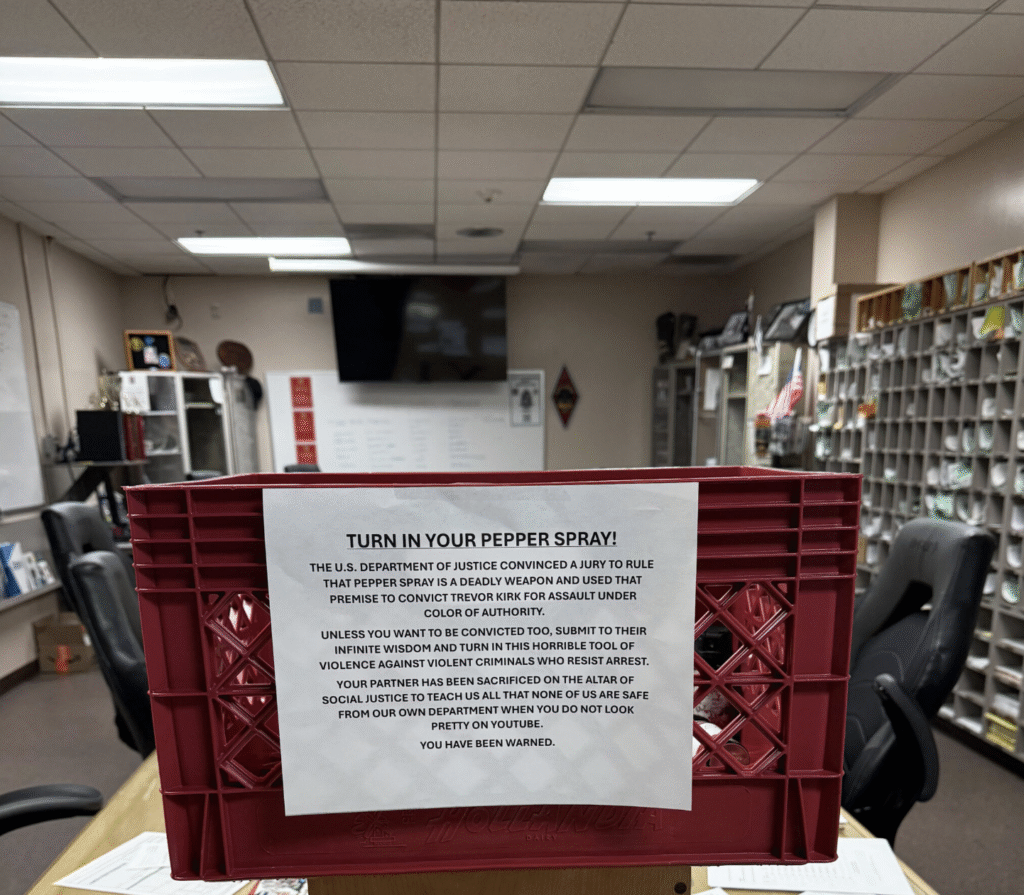
Perhaps most corrosive has been Luna’s treatment of his own deputies. The prosecution of Deputy Trevor Kirk stands as a stark example. In 2023, Kirk followed department policy during a volatile arrest outside a grocery store. Rather than defend his deputy pending investigation, Luna publicly condemned the conduct as “disturbing,” appeasing activist pressure before facts were established.
Kirk was convicted on February 6, 2025, for deploying pepper spray, a Category 1 use of force, on a robbery suspect actively resisting arrest, a decision the jury ultimately labeled “excessive and unconstitutional.” The ruling set a dangerous precedent, effectively criminalizing split-second judgment calls that officers are forced to make in volatile, real-world encounters. This is precisely the kind of prosecutorial overreach that should have prompted the sheriff’s office to vigorously defend its deputies. Instead, under Luna, the department did the opposite: Kirk was handed over to federal authorities, LASD was directed to fully cooperate with investigators, and one of its own deputies was sacrificed to secure a conviction, punished not for misconduct, but for doing his job in an activist-driven political climate.
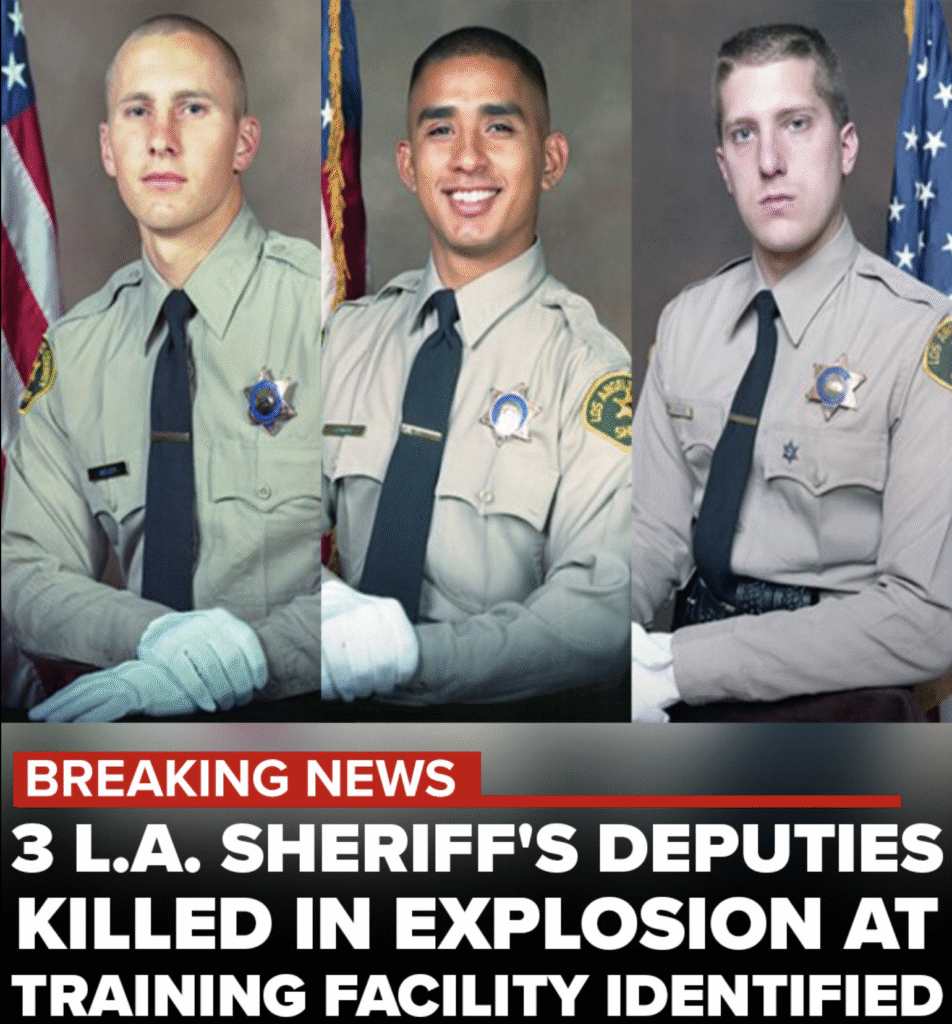
In July, three veteran members of the Los Angeles County Sheriff’s Department Arson and Explosives Detail were killed during a training exercise at an East Los Angeles facility when a grenade believed to be inert detonated. In the aftermath, the department failed to conduct a rigorous follow-up investigation to locate a second grenade tied to the incident, an omission that left an unresolved public safety risk for months. Shortly before Christmas, new information regarding the whereabouts of that second grenade and how it was ultimately disposed of was provided to Bureau of Alcohol, Tobacco, Firearms and Explosives investigators, placing the case on a new investigative trajectory after nearly five months of stagnation. Notably, this information originated from sources inside the department but reached federal authorities only after an independent investigation forced it into the open.
The legal exposure facing Luna’s department continues to deepen. In September, the California Attorney General filed suit against LASD over inhumane jail conditions and rising in-custody deaths, citing failures in medical care, mental health services, and basic sanitation. Soon after, a federal class-action lawsuit filed by female inmates accused deputies of sexual abuse, voyeurism, and retaliation inside the women’s jail, allegations that point directly to systemic oversight failures at the highest level. The U.S. Department of Justice has also intervened over LASD’s chronic delays in concealed carry permit processing, further eroding the department’s credibility.
Layered on top of this are Luna’s ongoing battles with the Civilian Oversight Commission, allegations of patronage and loyalty-based favoritism, and repeated promises to dismantle alleged deputy gangs that remain unfulfilled. Accountability is proclaimed. Transparency is promised. Neither materializes.
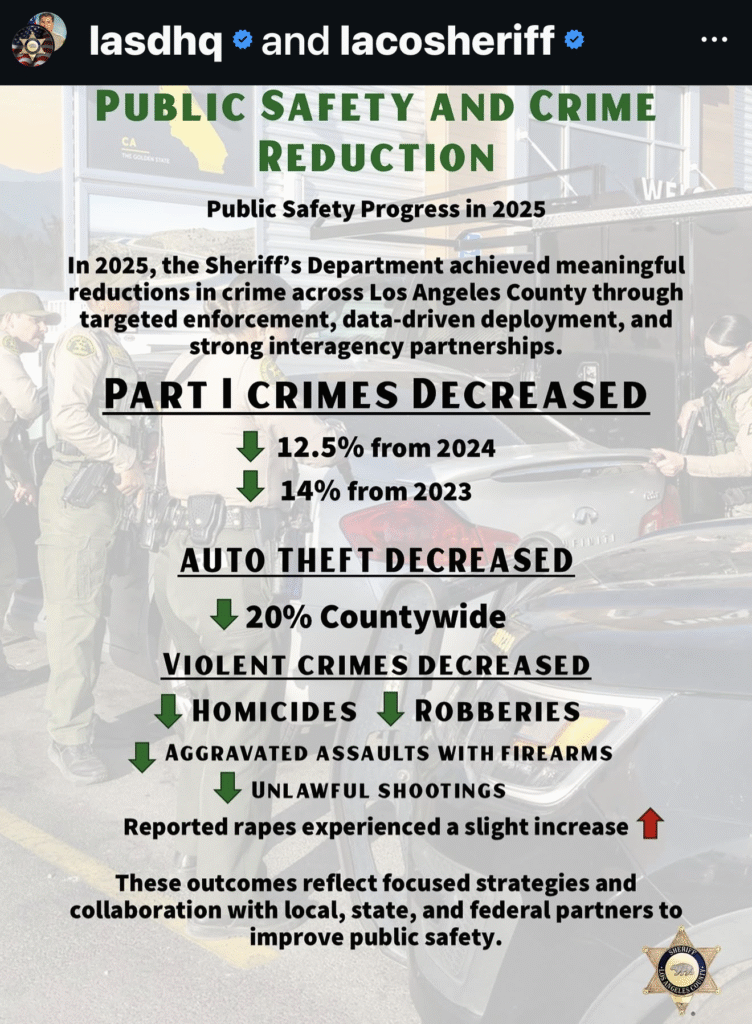
On January 2nd, the Luna administration introduced the timeliest form of gaslighting – the ever-popular “Crime is Down” campaign – in an effort to lay the lies on thick for the start of the 2026 election year.
The Los Angeles County Sheriff’s Department’s glossy LASDHQ Instagram post touting “crime reductions” for 2025, is a textbook exercise in statistical sleight of hand and public narrative manipulation. By spotlighting selective, top-line percentages, the department ignores the realities driving those numbers: collapsing staffing levels, suppressed proactivity, and a command culture that actively discourages arrests and self-initiated enforcement.
Law enforcement operates on two metrics, hard stats and soft stats. Hard stats are immutable: every month brings predictable volumes of 911 calls, burglaries, stolen vehicles, and thefts. Soft stats, however, rise or fall based on leadership. Kill proactivity and the numbers follow. Bench aggressive deputies, slow-roll calls, punish self-initiated activity, and police ALPR searches to discipline deputies for looking for crime, and the message is unmistakable, sit back, take your calls, don’t hunt bad guys. Command staff rebrand this as “organizational risk management” or “liability control,” arguing that proactive policing invites pursuits, uses of force, and shootings, but in practice it is death by a thousand cuts, methodically stripping initiative from the line until arrests decline by design.
The contrast is evident in the data: under former Sheriff Alex Villanueva, staffing was higher, deputies were supported, and proactive enforcement was encouraged; under Luna, sworn staffing has cratered, county population and crime pressures have grown, proactive arrests have plummeted, and resentment between line staff and executives has intensified. Arrests are down at nearly every station, not because crimes have disappeared or 911 has gone quiet, but because deputies are understaffed, unsupported, and increasingly fearful of being administratively sacrificed for doing the job they were hired to do.
Even the department’s own post quietly concedes increases in reported rapes while celebrating drops elsewhere, offering no credible explanation for how crime is supposedly being deterred with fewer deputies, fewer arrests, and recurring system failures like CAD collapses. What LASDHQ markets as “data-driven deployment” is, in reality, a numbers game built on throttled enforcement and redefined success -an Instagram-ready narrative that bears little resemblance to what deputies and communities are experiencing on the ground under the Luna administration.
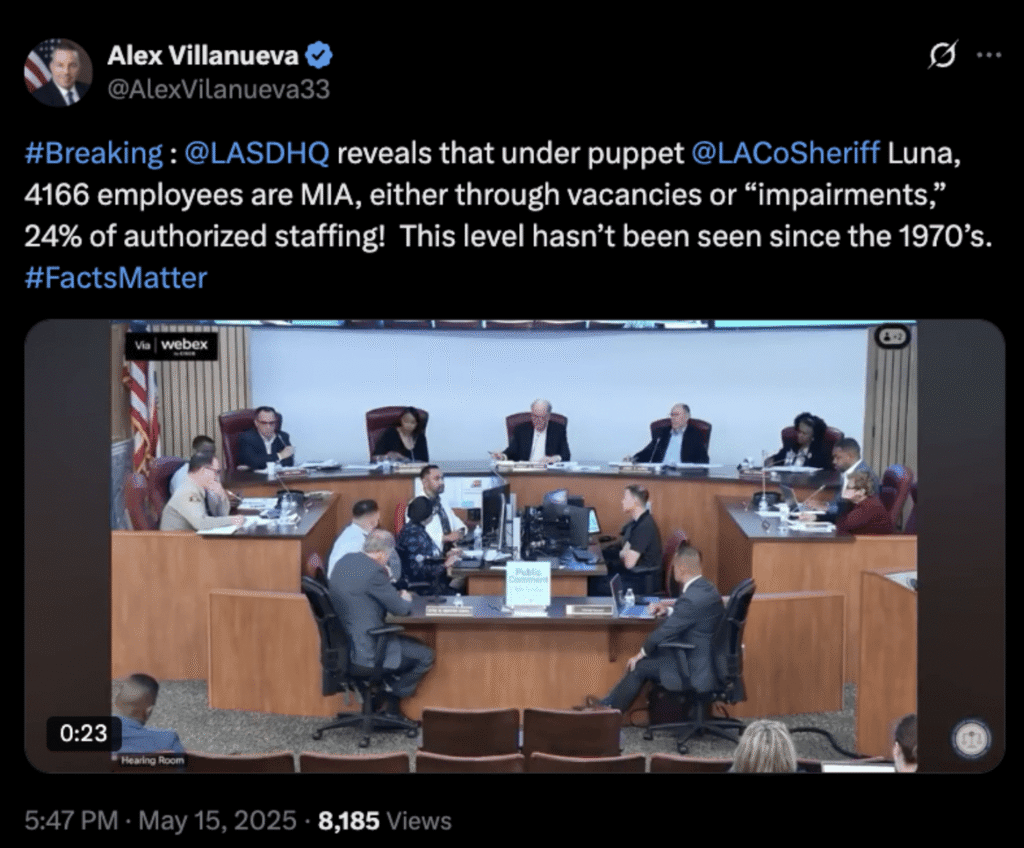
In 2025, Assistant Sheriff Jason Skeen testified in front of the Civilian Oversight Commission revealing staggering numbers suggesting the LASD is experiencing an historic staffing collapse – not a mere “shortage. A jaw-dropping 4,166 vacancies, a full 25% of authorized positions, leaving the department operating at roughly 75% capacity as of May of 2025, a figure that continues to fall.
Patrols are stretched thin, jails and specialized units are understaffed, and deputies who remain are enduring relentless mandatory overtime, six days a week, 16–18 hour shifts, that has taken a devastating toll on morale and mental health. The consequences have been severe: a surge in suicides among LASD personnel, crushing workloads, and lawsuits from families of fallen deputies who argue fatigue played a role in their deaths. Deputies anonymously circulating “Just a Deputy” letters describe a workforce pushed beyond the breaking point, painting a damning picture of an agency run into the ground under Luna’s watch while public safety and internal capacity continue to deteriorate.
Sheriff Luna’s 2025 was not “remarkable.” It was catastrophic.
From recurring system failures to legal scandals and leadership betrayals, the evidence paints a single, unavoidable conclusion: Los Angeles County is less safe, deputies are less protected, and public trust is more fractured than when Luna took office.