As Los Angeles prepares to host the 2026 FIFA World Cup and the 2028 Olympic Games, the security landscape has shifted from theoretical planning to a high-stakes race against real-world threats. For those of us who spent decades in the ranks of the LAPD, the current headlines are not just news. They are validation of warnings that often fell on deaf ears before retirement.
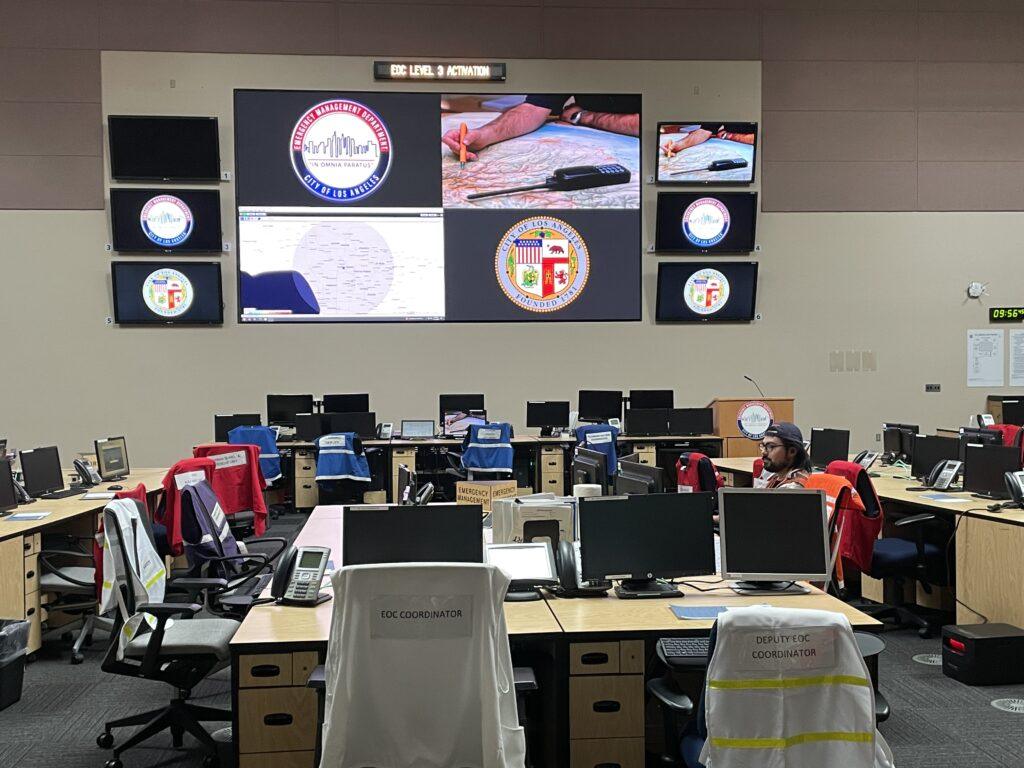
For years, I struggled to make the Mayor’s Office understand a critical reality: the LAPD is currently ill-prepared to operate in a unified command capacity. While the City’s Emergency Operations Center is designed for regional coordination, the boots on the ground lack the infrastructure to sustain a long-term major incident.
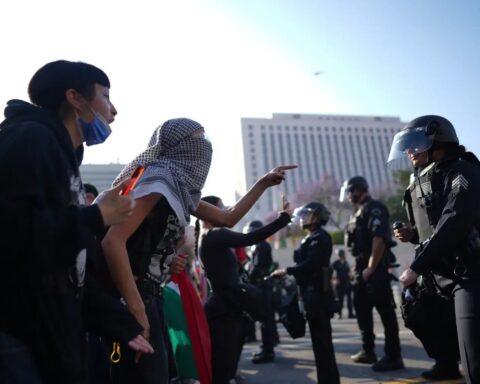
We saw the failure of this system clearly in 2020. During the riots, I was a Commander in South Bureau. As the epicenter shifted to Downtown LA with large-scale protests and freeway incursions, the lack of resources trickled down to smaller neighboring cities that were already facing shortages.
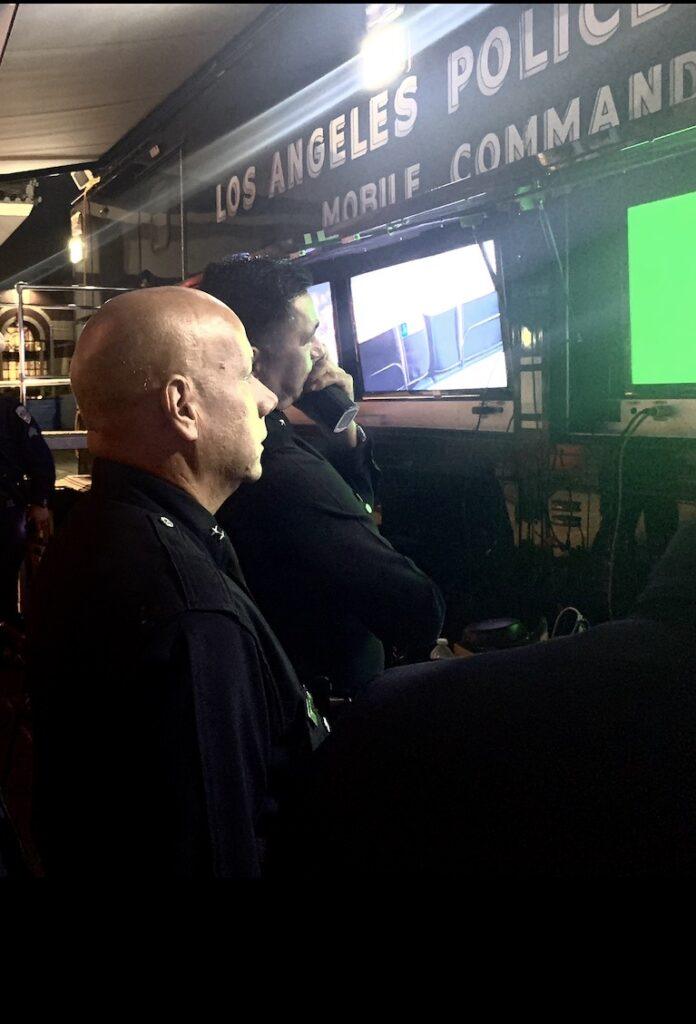
When I was called to help restore order in Central Bureau on the third night, we faced a multi-agency response involving state, federal, and county assets, and eventually the National Guard. Did we have a permanent flip-the-switch command post? No. I ran operations for 14 days from a makeshift command post consisting of trailers in a parking lot behind a Buddhist temple on Temple Street.
Temporary Fixes vs. Global Realities
Even as I transitioned to planning for the Super Bowl, the systemic resistance remained. In preparing for major planned events in Los Angeles, my planning team and I implemented specialized incident management teams to ensure a robust response framework. However, the transition faced significant internal friction. Many members of the command staff were hesitant to fully embrace the model, viewing it primarily as an unnecessary increase in workload and time commitment. Tragically, this led to a culture of passive participation, where several key leaders chose to invest only the bare minimum effort rather than committing to the rigorous coordination required for such high-stakes operations.
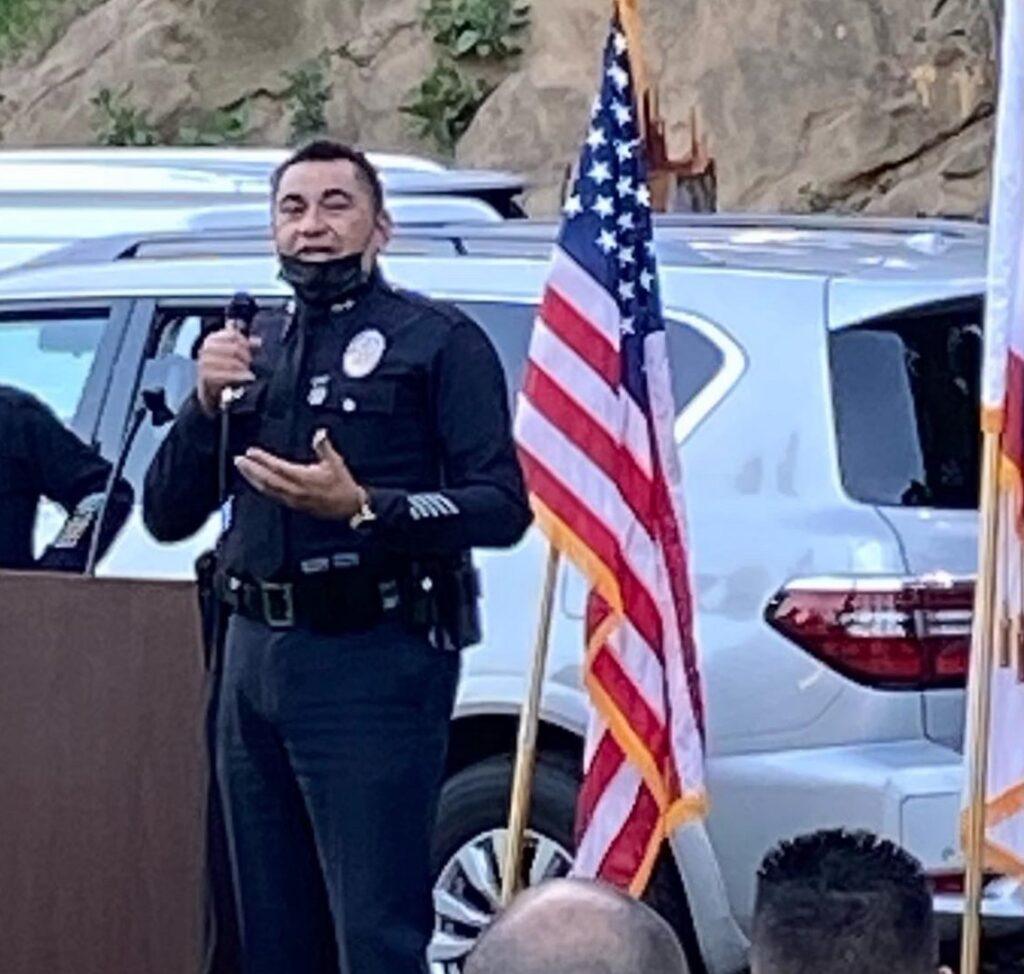
I refused to run a world-class event from a temple parking lot. I ordered a full command post activation with dedicated phone lines, airship downlinking, and proper facilities. It worked, but it was a temporary fix, not a permanent infrastructure capable of handling a Mumbai-style terrorist attack or a major earthquake.
In the theater of public safety, there is often a script that officials are expected to follow: “We are ready.” It is a comforting phrase, designed to project confidence and maintain order. But as I stood alongside Senator Alex Padilla during a walkthrough to assess the city’s emergency preparedness, I realized that sticking to the script was becoming a public disservice. While the Mayor’s public safety team urged a narrative of total readiness, the view from the ground told a different, more haunting story.
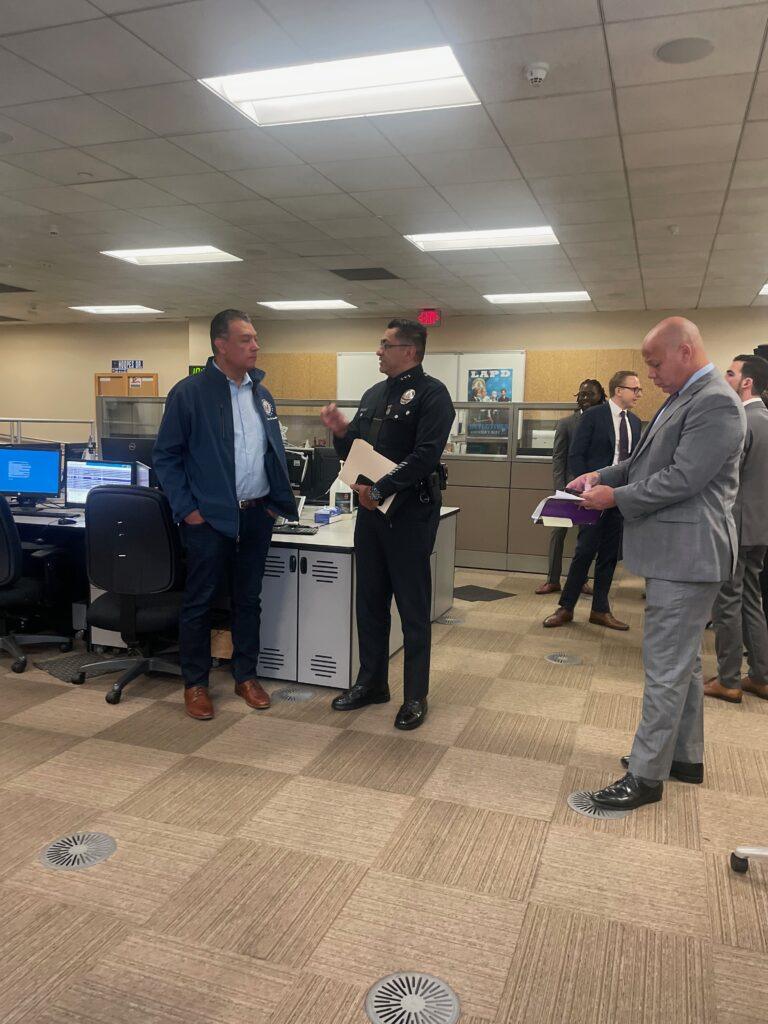
When I was pressured to validate the city’s posture as fully prepared, I chose instead to speak a difficult truth. Los Angeles lacks the long-term capabilities required to survive a truly large-scale, sustained catastrophe. This frankness was not met with a collaborative spirit, but with immediate friction. The Mayor’s team was, to put it mildly, not happy.
The disconnect lies in the definition of “ready.” Being prepared for a localized brush fire or a temporary power outage is not the same as being prepared for a regional disaster that severs supply lines, cripples the power grid, and exhausts first responders for weeks on end. Our current infrastructure, from decentralized energy autonomy to long-term medical stockpiles, is built for a sprint, not the marathon that a major earthquake or grid failure would demand.
Prioritizing administrative optics over operational reality is a gamble we cannot afford. When we prioritize the look of safety over the depth of our resilience, we leave millions of Angelenos vulnerable. It is time for the Mayor’s Office to move past the discomfort of internal criticism and address the structural deficits that will matter most when the sirens do not stop after the first twenty-four hours.
Today, the threat level has reached a boiling point.
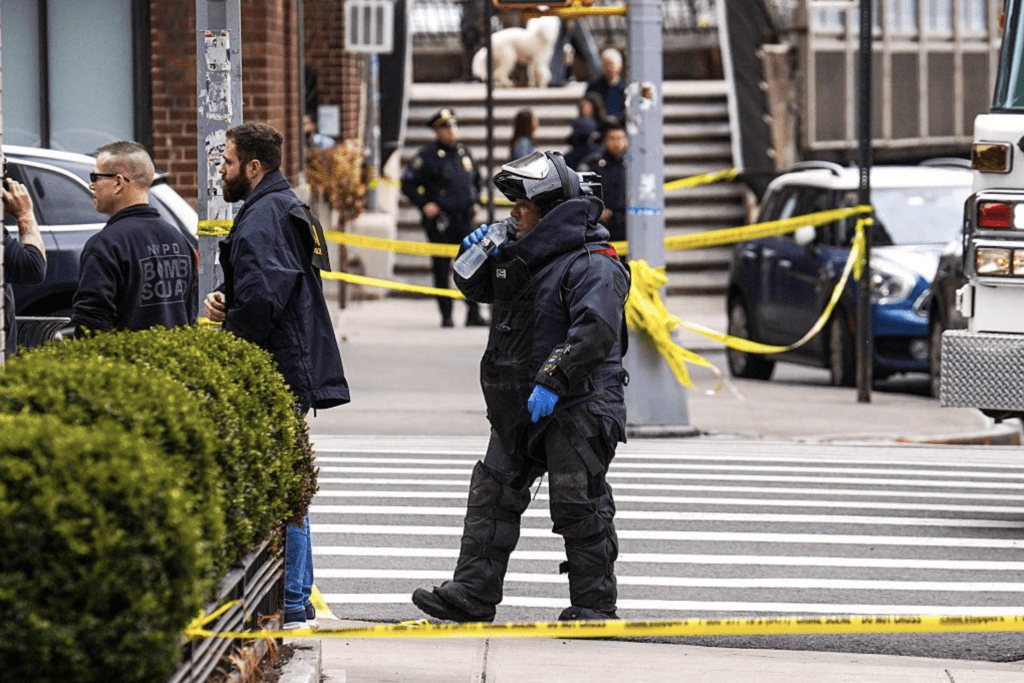
The March 2026 events at Gracie Mansion involving TATP-based IEDs prove that lone-wolf domestic actors can now manufacture high-grade explosives from hardware store materials.
Following the death of Iranian leadership in February 2026, intelligence signals suggest sleeper assets may be active on U.S. soil. As a global media capital, Los Angeles is a primary target for retaliatory strikes.
The irony is that the Multi-Agency Coordination Center (MACC) and the Joint Operating Center (JOC) models, which retired veterans advocated for years ago, are finally becoming a reality.
With a $1 billion federal security budget for 2028, the FBI and Secret Service are now forcing the city to dismantle the silo mentality as a condition for funding.
The city is finally deploying AI-driven anomaly detection and counter-drone technology to protect venues like SoFi Stadium.
While technology is finally arriving, the most dangerous shortage in Los Angeles is experience. The current command staff is largely young and untested. Only a few Deputy Chiefs possess real operational experience, let alone the backbone to make the hasty, difficult decisions required during a catastrophe. During my time as Bureau Chief in Central Bureau, one of the busiest in the city, I saw firsthand how planning was deprioritized.
I recall a Deputy Chief who is now an Assistant Chief, now tasked with Olympic planning, who was originally assigned to assist me with the Super Bowl. He took the perks, the trips to Miami, the gifts, and the access. But upon returning to Los Angeles, he claimed he was too busy with Internal Affairs to actually help plan. If we continue to promote leaders who prioritize administrative safety over operational readiness, the infrastructure will not matter.
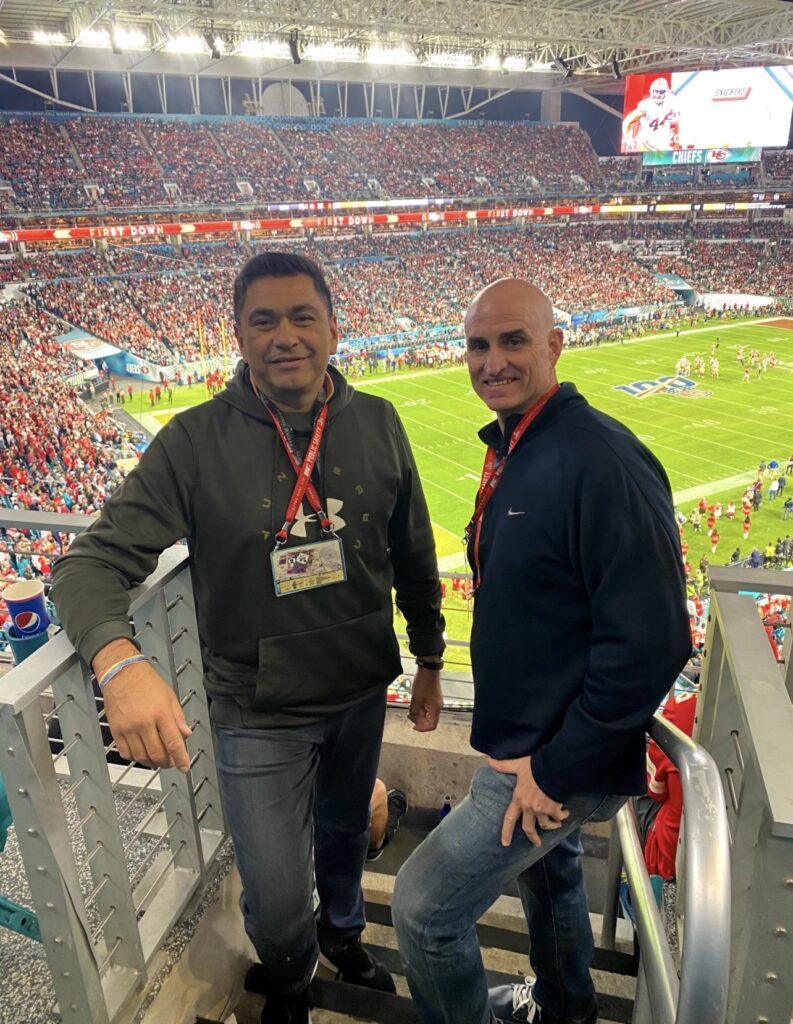
The most glaring example of the city’s misplaced priorities is the failure to secure a dedicated, permanent Unified Command Center. Alongside the LAFD, I pushed for the acquisition of a large city facility on Alameda Street. It was a turnkey solution. It had the footprint for large-scale operations, massive staging areas, and helicopter landing zones.
We provided the concepts and conducted the walk-throughs. But under the leadership of Brian Williams in the Mayor’s Office, the request was denied. That strategic facility was instead prioritized as a parking lot for city sanitation trucks. Today, while we scramble to find command space for global events, that vital infrastructure is being used to house trash trucks. This is the definition of bureaucratic negligence.
During the 2020 riots, the lack of infrastructure forced us into humiliating workarounds. I ran operations for 14 days from a makeshift command post consisting of trailers in a parking lot behind a Buddhist temple on Temple Street.
This territorialism is a chronic disease. After the 2020 civil unrest, I tasked a commander with developing National Guard planning protocols. This commander produced a sound plan, but then challenged my direction to share it with anyone else. The commander wanted to be the sole proprietor of the information in order to maintain status as the go-to person. In a major catastrophe, if that one gatekeeper is unreachable, the entire city’s defense collapses.
While the LAPD’s Department Operations Center serves as a necessary hub for daily situational awareness, it has increasingly devolved into a glorified monitoring and call-out center rather than a true operational engine. It is physically and technologically insufficient to serve as a Unified Command Post for a major catastrophe. The center lacks the massive footprint required to house hundreds of multi-agency personnel, and its infrastructure cannot sustain the long-term, high-intensity logistics of a citywide emergency. During the 2020 unrest, these limitations were exposed, forcing command staff to scramble for makeshift solutions in parking lots and trailers. For a city facing the scale of the World Cup or the Olympics, relying on this system is a dangerous gamble. It is simply not built to handle the heavy lifting of a unified, multi-location response where the stakes are life and death.
Following the 2008 Mumbai attacks, while in Metropolitan Division, I helped push for the implementation of MACTAC (Multi-Assault Counter-Terrorism Action Capabilities) citywide. I later championed a supervisor course designed to empower field leaders to instantly deploy officers to stop a threat.
Today, MACTAC has been gutted. What was once a robust doctrine is now a check-the-box requirement. We have traded the battle-tested lessons of Mumbai for administrative convenience, leaving our supervisors ill-prepared to lead under the kind of pressure that causes many to fold. We are teaching tactical scenario responses via zoom and virtual link.
The current state of our preparedness is a shadow of what we built. We are no longer training for the “worst-case scenario”; we are training for the “lowest-liability scenario.” This shift has created a dangerous vacuum in two critical areas: High-intensity training has been replaced by superficial briefings. We are asking officers to respond to coordinated, mobile, and well-armed threats with little more than a “refresher” mindset. Real preparation requires repetitive, high-stress immersion, something the department has traded for spreadsheet compliance.
Proper MACTAC training isn’t just about tactics; it’s about psychological conditioning. Without rigorous, hands-on drills that simulate the chaos of a multi-point attack, our personnel are being set up for failure. You cannot “policy” your way through a gunfight; you have to train through it.
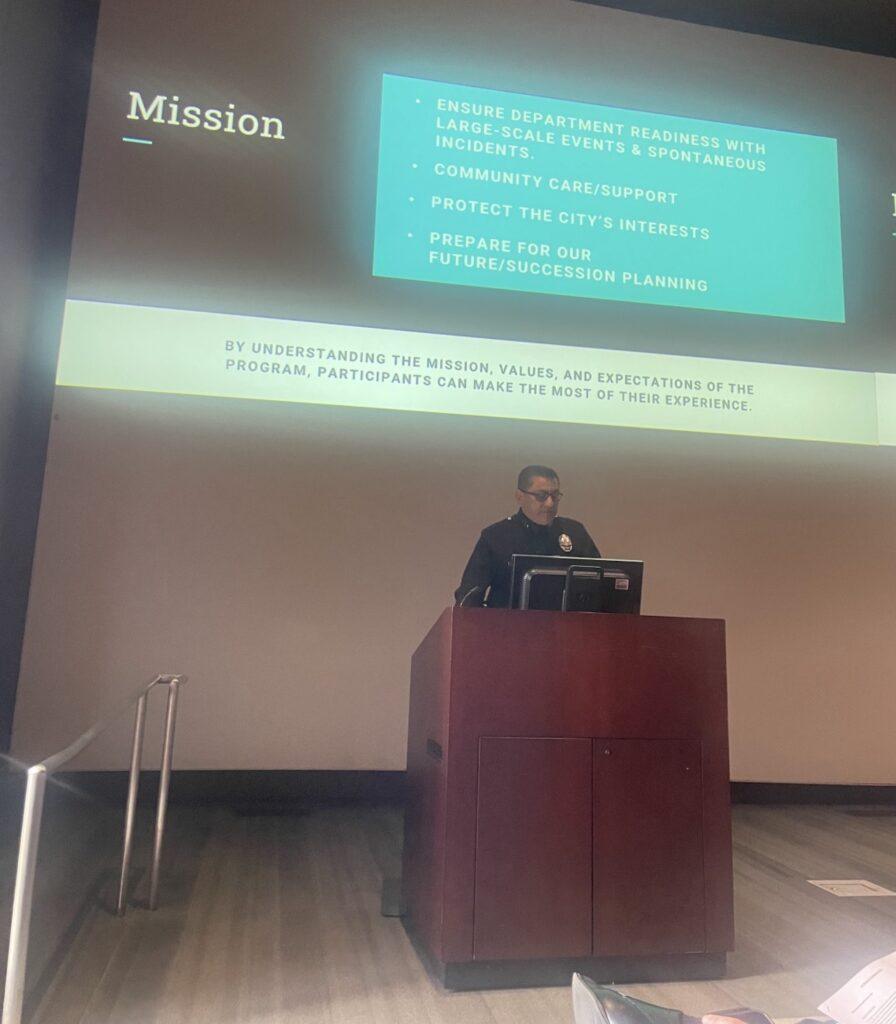
This isn’t a theoretical concern, this can happen here any day. When the “big one” hits, whether it’s a coordinated terror cell or a multi-location active shooter, the lack of a trained, decisive response will be measured in lives lost. This documentary illustrates the multi-assault scenarios that MACTAC training was designed to counter, lessons that Los Angeles is currently ignoring at its own peril.
We are sending supervisors into the field who have the title but lack the recent, hardened training required to command in a “fog of war” environment. By failing to invest in proper, ongoing training today, we are ensuring a catastrophe tomorrow.
There is a stark contrast between our city’s primary response agencies. The LAFD is one of the most well-versed organizations in the Incident Command System. Their leaders are battle-tested through long-term fires and major incidents.
Meanwhile, many in the LAPD command staff have only a book understanding of the system. During the 2020 unrest, senior commanders hid at Police Headquarters or at home, terrified of the responsibility. Today, those same desk commanders are overseeing Olympic planning. I would not trust many of them with a K-9 perimeter, let alone a coordinated multi-target terrorist incident.
Recently, the LAPD showcased an active shooter exercise at the Coliseum featuring Metro Division. They looked sharp for the cameras, but it was a dog and pony show. Terrorists do not wait for Metro.
The first responders to a lone-wolf IED strike, like the March 2026 TATP bombs at New York City’s Gracie Mansion, will be the boots-on-the-ground patrol officers. If we have not trained our patrol infrastructure to handle the initial chaos, the elite units will not arrive in time to make a difference.
The threat is no longer theoretical. Following the death of Iranian leadership in February 2026, intelligence signals suggest trigger signals are being sent to sleeper assets on U.S. soil.
The 2020 After-Action Reports were a warning. The system breaks when leaders refuse to share intelligence and prioritize their own empires over the city’s defense. Los Angeles cannot be defended by commanders who crawl under their desks when the radio goes silent.
The 2020 After-Action Report, the May Day After-Action Report, and the 1994 earthquake After-Action Report all proved that you can have the best officers in the world, but if leaders are not trained to share intelligence and make hard calls, the system breaks. As Los Angeles ramps up for 2026, we cannot afford to rely on temporary trailers and inexperienced commanders. The short list of people who actually know how to handle a critical incident needs to grow, and it needs to grow now.
As we approach 2026, we must reinstate aggressive tactical training and reclaim the infrastructure, like the Alameda facility, that was lost to bureaucracy. The luxury of the dog and pony show is over.
It is time for battle-tested leadership.
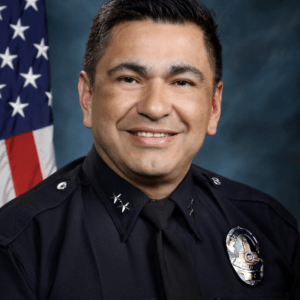
About the Author: Al Labrada
Al Labrada is a retired Assistant Chief of the Los Angeles Police Department and a decorated United States Marine Corps veteran. Over a distinguished 31-year career in law enforcement, he rose through the ranks to hold some of the department’s most critical leadership positions, including Commander of the South Bureau and Deputy Chief of the Central Bureau.
Born in Mexico City, Labrada’s service was defined by high-stakes operational leadership and deep community roots. He led the planning for the 2022 Super Bowl in Los Angeles, served as Operations Chief during the 2020 civil unrest, and managed the complex aftermath of the Nipsey Hussle investigation in South LA. A graduate of the FBI National Academy and currently pursuing an advanced degree in Psychology, he remains a dedicated advocate for leadership accountability and police reform. Today, he continues his commitment to transparency as a law enforcement contributor for The Current Report and is the author of the forthcoming book, Unwavering Strength.