When federal fugitive Bernhard Eugen Fritsch lost his appeal on April 23, 2026 under the fugitive disentitlement doctrine, the ruling officially transformed one of Malibu’s most bizarre corporate collapses into something even more serious: a growing international financial mystery involving offshore infrastructure, missing money, federal seizure failures, and questions about whether U.S. authorities ignored a much larger system sitting directly in front of them for years.
The Ninth Circuit’s order was devastatingly simple:
“The motion to dismiss this appeal under the fugitive disentitlement doctrine is granted. This appeal is dismissed.”
But beneath the procedural language lies a far more explosive issue now quietly emerging around Fritsch’s StarClub collapse:
Did the Department of Justice pursue a narrow wire fraud prosecution while overlooking a much larger offshore financial architecture tied to Bahamas entities, international money movement, and a decades-long pattern that insiders claim federal authorities were warned about repeatedly?
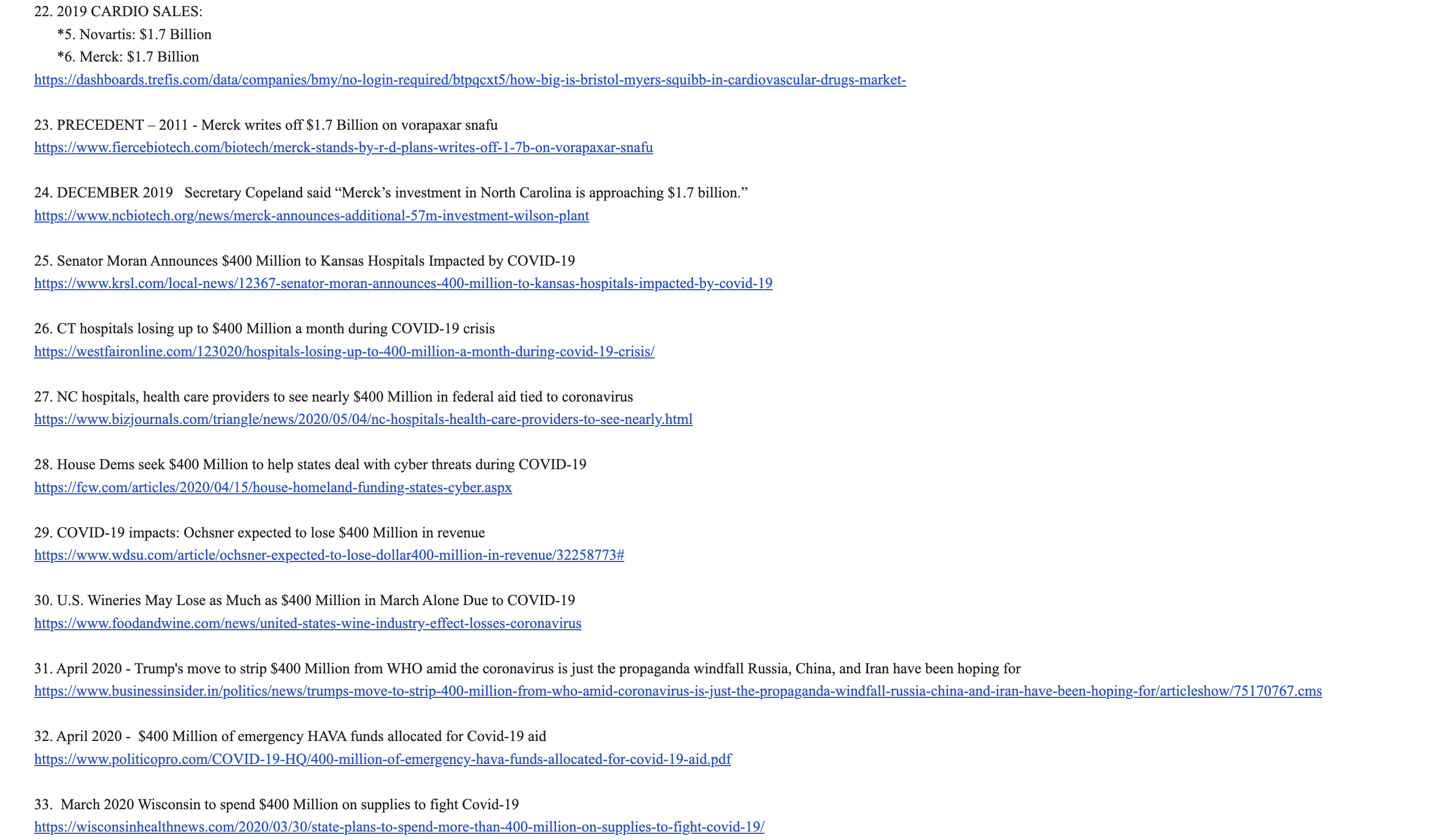
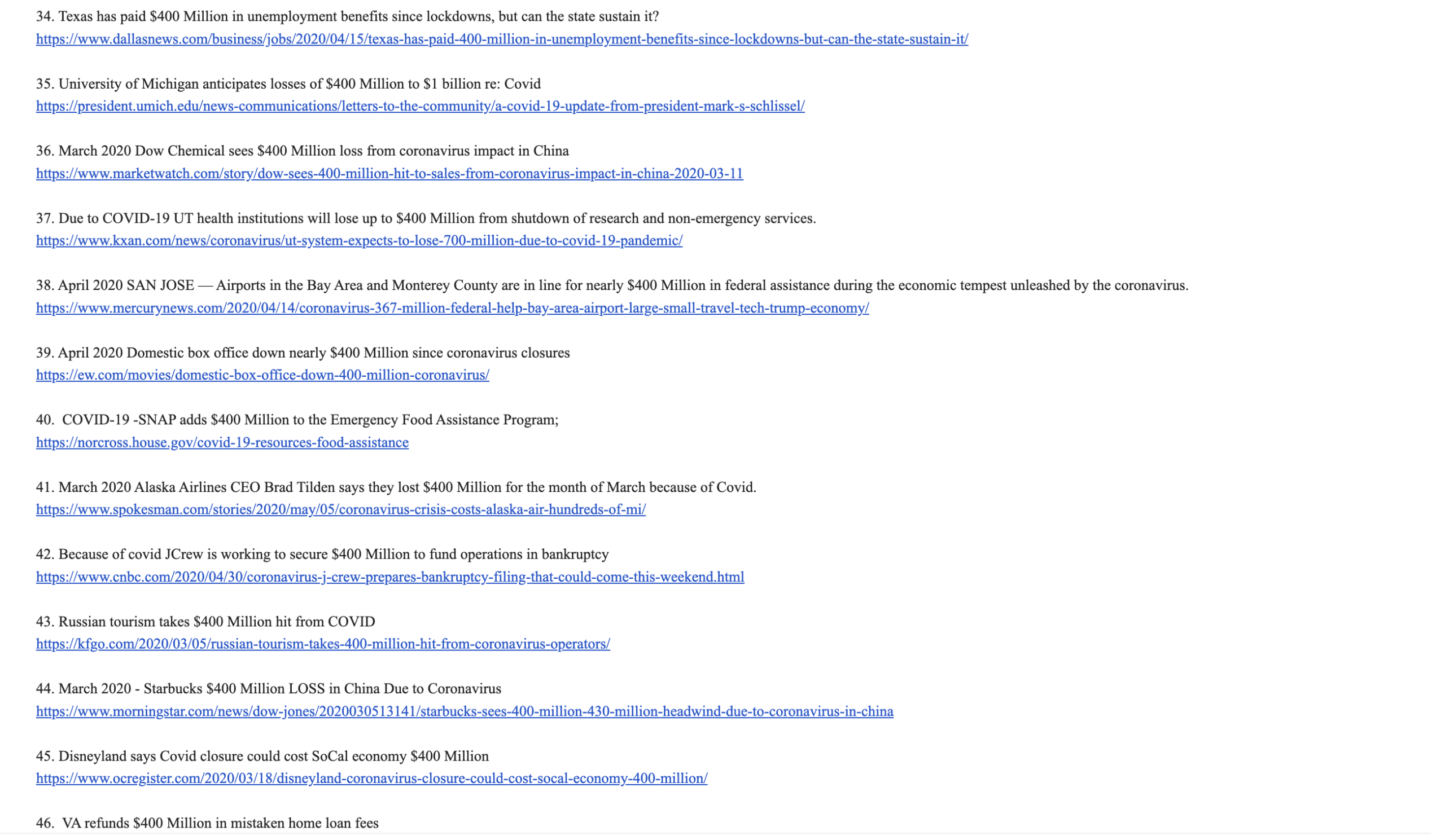
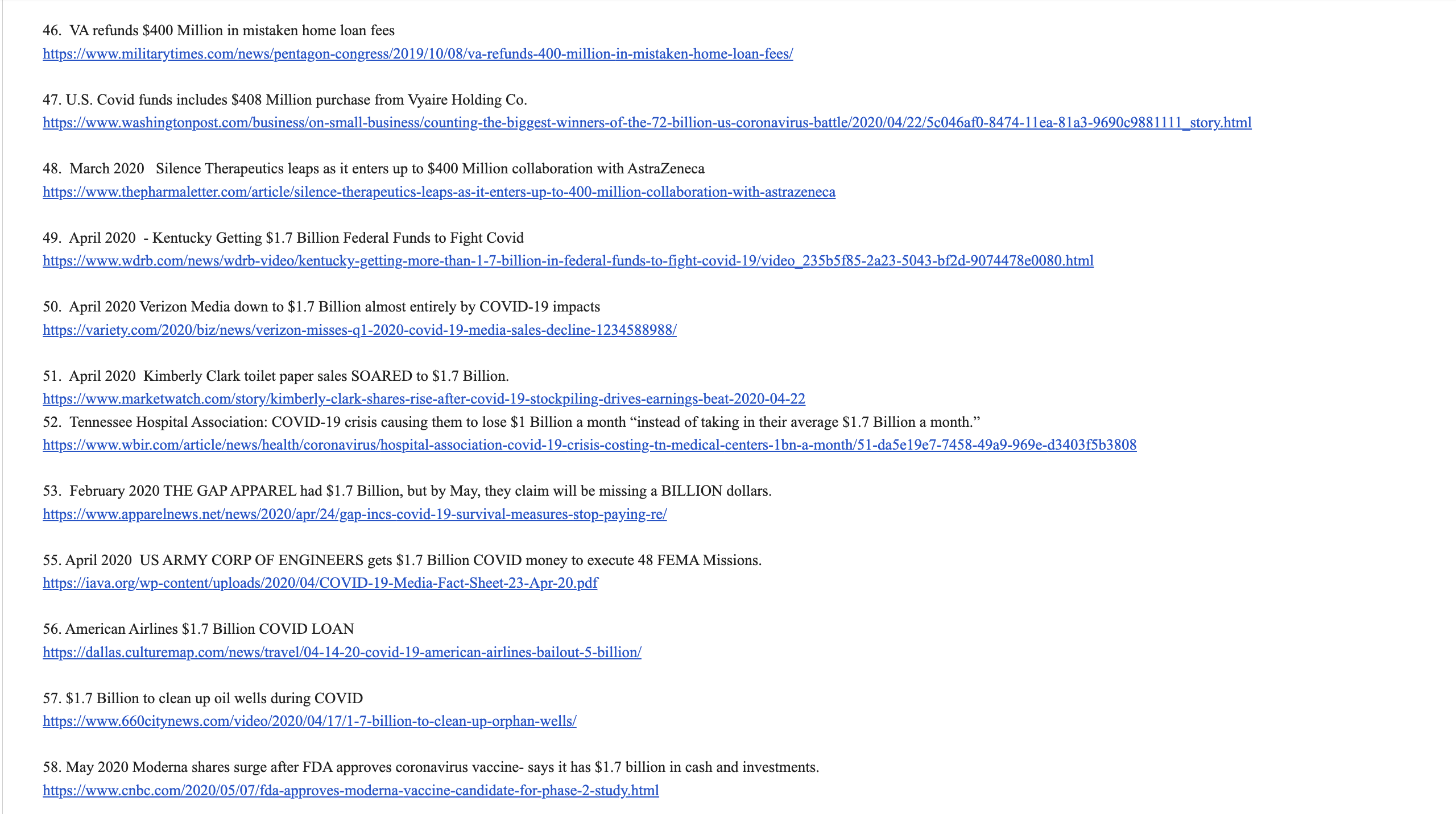
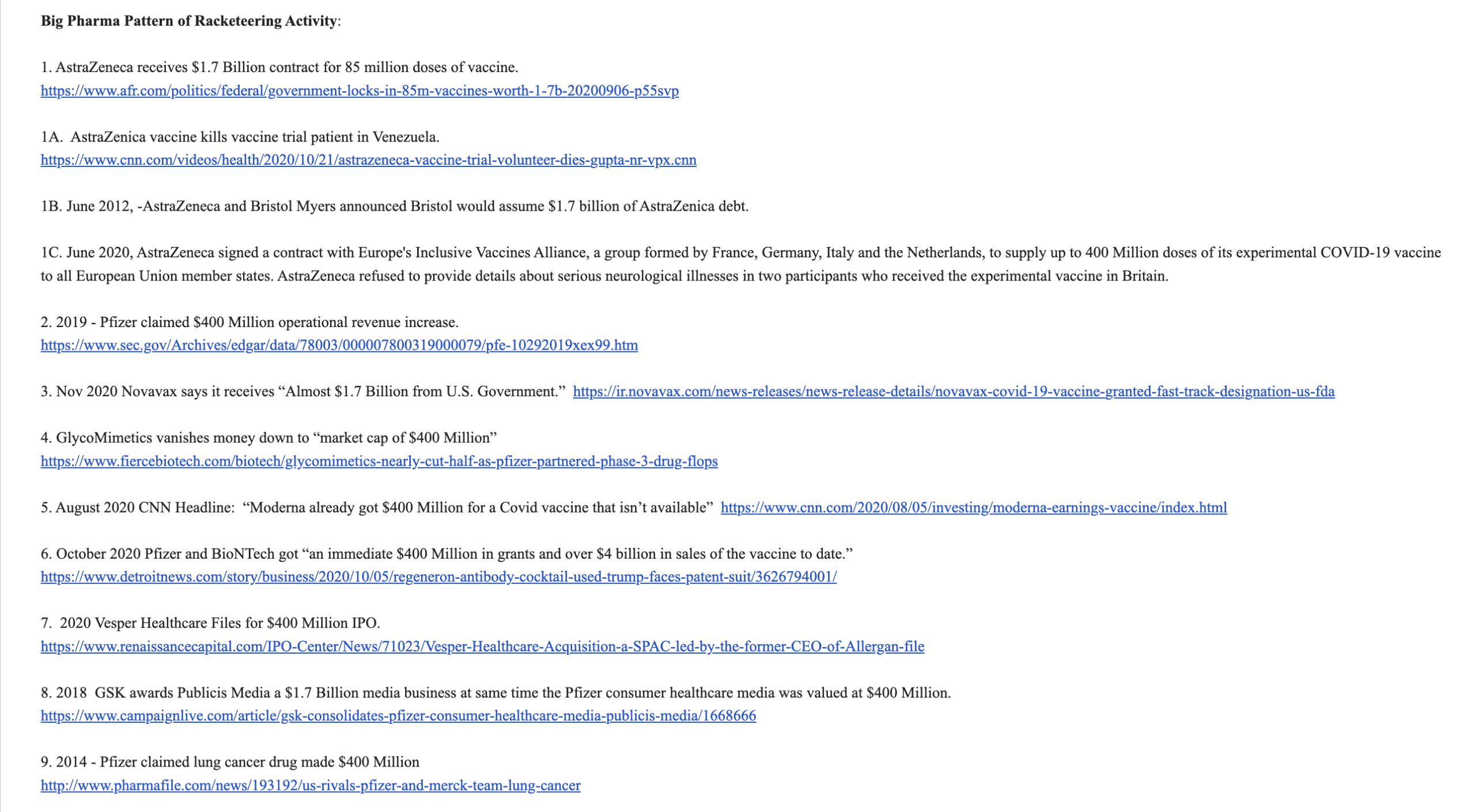
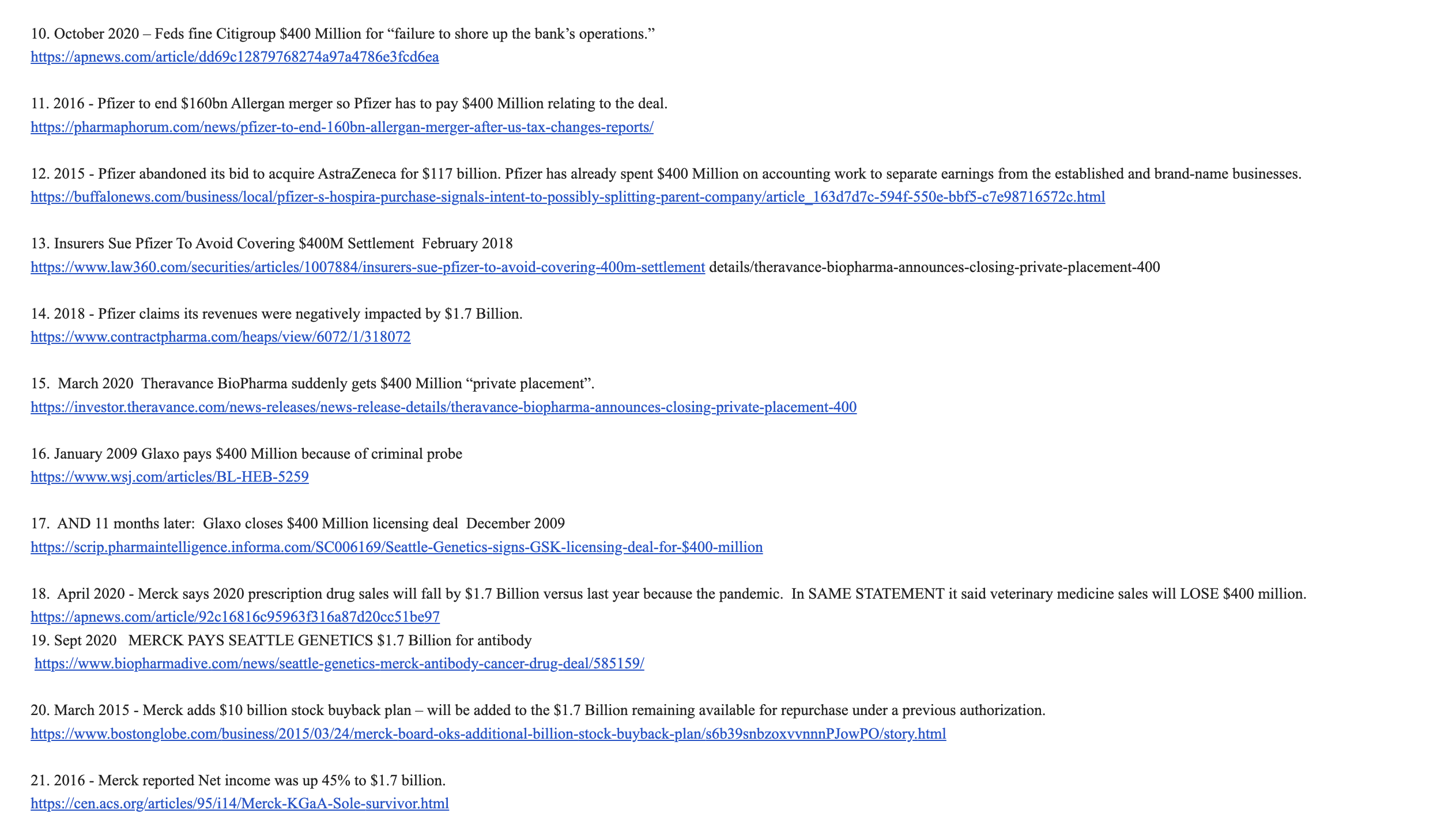
That question has become increasingly difficult to ignore because the public record now contains a growing body of documents, emails, contracts, certified mail receipts, and communications showing that federal authorities were repeatedly warned not only about Bernhard Fritsch himself, but about alleged offshore structures, international transfers, and what one insider described as a recurring “$1.7 billion/$400 million binary signal” appearing across multiple industries and financial transactions.
At the center of the controversy is a document insiders refer to as the “TAB 5 Asset Purchase Agreement,” a contract allegedly housed inside the StarClub offices before the FBI raid on August 2, 2017. According to documents and statements now circulating publicly, the agreement outlined a $77 million intellectual property transfer involving StarSite, Inc., a Delaware corporation, and US-Master Tec, Inc., a Bahamas-based entity operating out of Nassau.
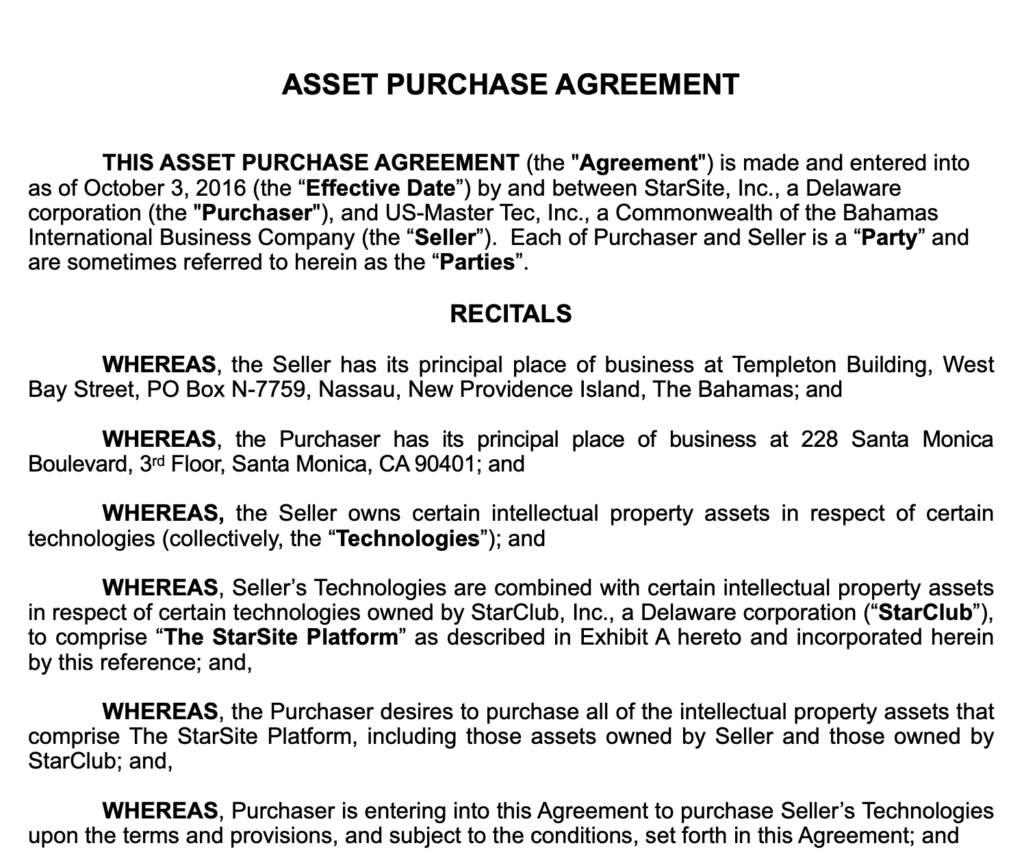
The agreement itself identifies the seller as a “Commonwealth of the Bahamas International Business Company” operating from the Templeton Building on West Bay Street in Nassau. The document further states that the Bahamas company’s technologies were being merged into what was described as “The StarSite Platform.”
That document matters because it establishes a formal offshore intellectual property infrastructure connected to the StarClub operation years before Fritsch became a fugitive.
Even more troubling are allegations involving what happened immediately after the FBI raid itself.
According to investigative materials now being circulated publicly, two days after federal agents seized the StarClub headquarters at 228 Santa Monica Boulevard, copyright attorney and USPTO policy advisor Charles Sanders removed a leather briefcase belonging to Fritsch from the premises while the site was still under federal control. Insiders allege the briefcase contained critical corporate documents, possibly including the offshore asset transfer agreements involving the Bahamas entities.
That raises an extraordinary chain-of-custody question:
How were materials potentially tied to a $77 million offshore structure allegedly removed from a federally controlled crime scene during an active investigation?
To date, no public explanation appears to exist reconciling the alleged Bahamas infrastructure with the much narrower $25 million wire fraud prosecution ultimately pursued by federal authorities.
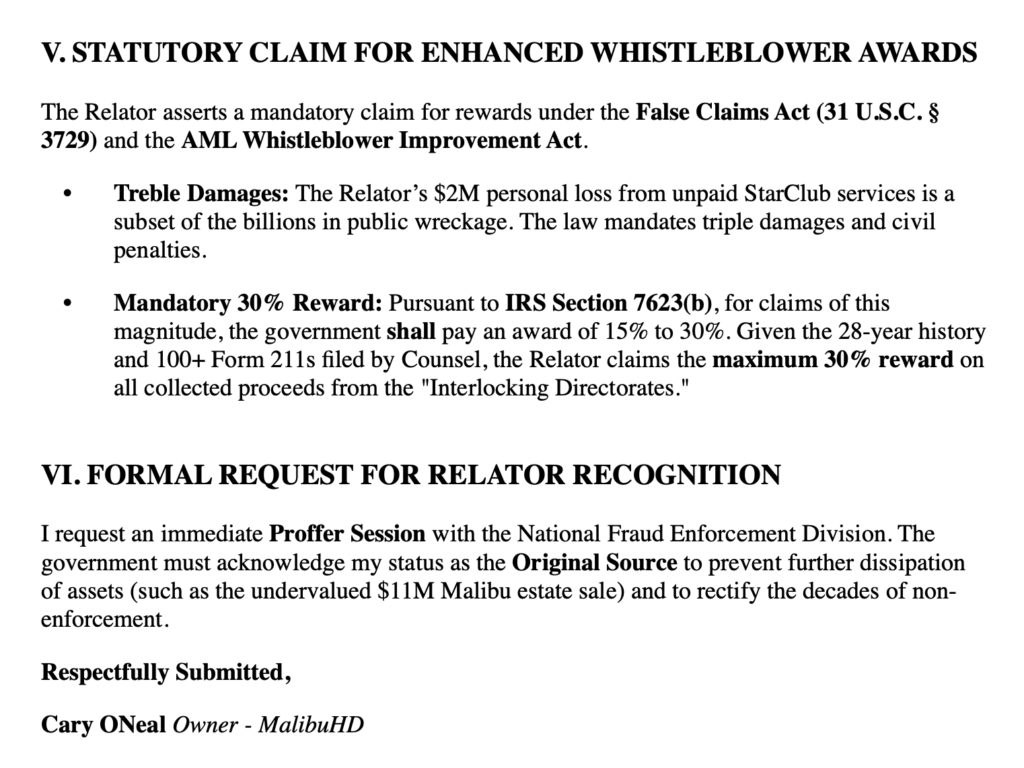
The growing controversy surrounding the case is fueled heavily by communications from former StarClub associate Cary ONeal, who claims he repeatedly warned federal authorities for years about what he believed was a broader pattern involving offshore movement, coordinated financial activity, and systemic racketeering indicators.
In a March 2, 2023 email sent directly to DOJ officials and Fritsch defense attorney Robert Henoch, ONeal stated:
“I feel Mr. Fritsch still owes me at least $2 million for the work I did at his StarClub.”
But the email did not stop there. ONeal further claimed he had previously submitted evidence involving what he described as a “massive RICO scheme” to the DOJ, IRS, SEC, and multiple U.S. attorneys.
What makes the situation even more unusual is that the emails now publicly circulating show those claims were not hidden from federal authorities. They were placed directly into the official electronic record years before Fritsch fled the country.
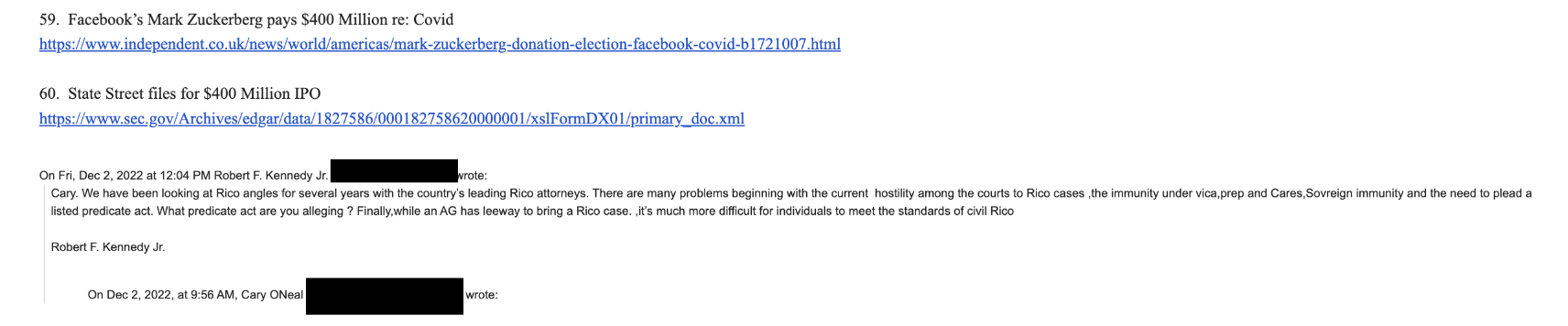
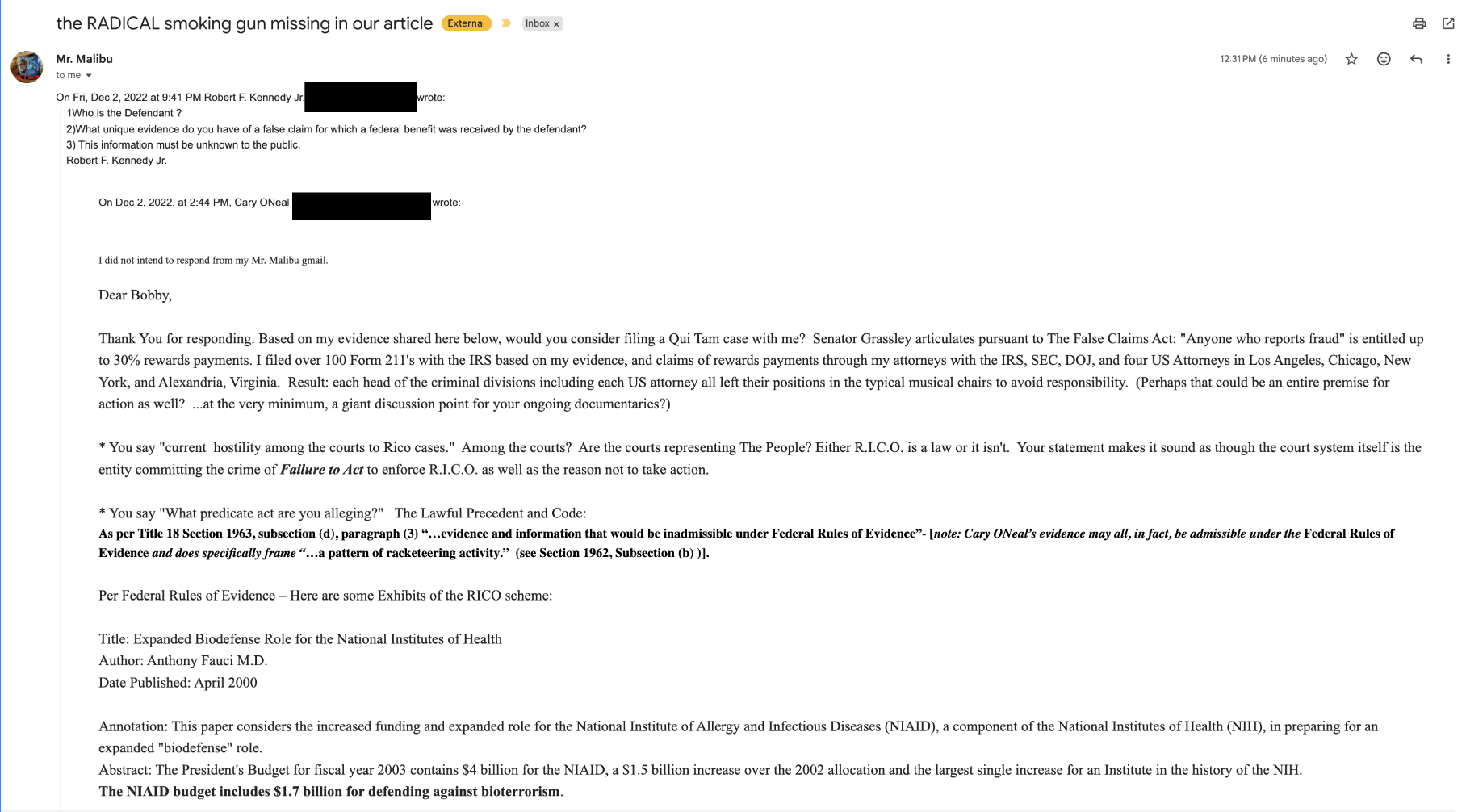
The documentary trail becomes even stranger when examining communications involving Robert F. Kennedy Jr..
One email screenshot now publicly circulating appears to show Kennedy responding directly to ONeal regarding allegations tied to the broader scheme, writing:
“I’m not saying it’s not a crime. I’m saying it’s not redressable under FFCA.”
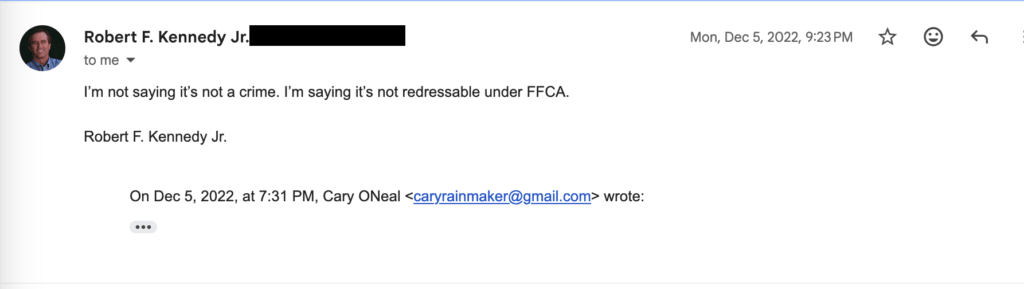
That communication has become significant to insiders because he questioned the legal mechanisms available for pursuing.
Meanwhile, ONeal continued escalating his allegations directly to federal authorities. Documents mailed via certified mail to Colin McDonald in Washington, D.C. — including USPS tracking documentation now publicly circulated — allegedly framed the StarClub matter as part of a much larger pattern of systemic non-enforcement stretching back decades.
Those filings repeatedly reference what ONeal describes as the “$1.7 billion/$400 million binary signal,” claiming that identical high-dollar figures repeatedly appeared across corporate transactions, government funding programs, pharmaceutical deals, energy contracts, and financial events in statistically improbable ways.
According to memorandums included in the filings, a probability analysis by Pepperdine Mathematics expert Kevin Iga concluded that the recurring appearance of forty financial statements of $400 million losses across dozens of major corporations within a two year period of being a coincidence was “hideously less than one out of a trillion.”
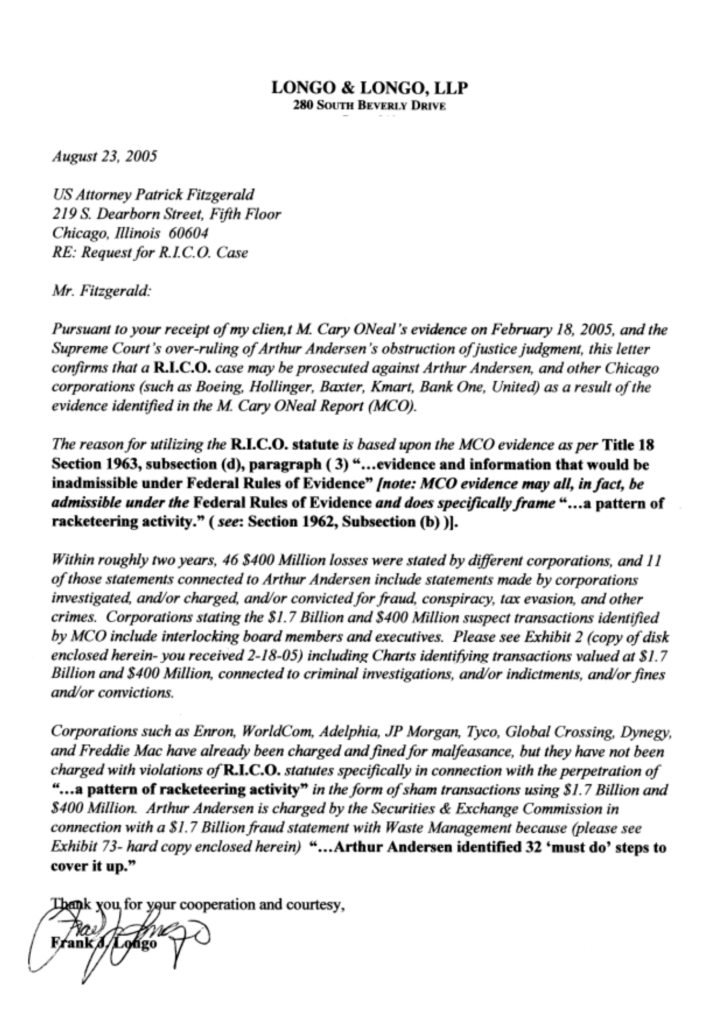
The filings further reveal federal authorities were first warned about the pattern as early as 2005 through what is described as the “MCO Report,” which demonstrated these RICO violations before the 2008 global financial collapse. In one filing to US Attorney Patrick Fitzgerald from ONeal’s attorneys, the RICO violations are described: “As per Title 18 Section 1963, subsection (d), paragraph (3) “…evidence and information that would be inadmissible under Federal Rules of Evidence” [note: MCO evidence may all, in fact, be admissible under the Federal Rules of Evidence and does specifically frame “…a pattern of racketeering activity.” (see Section 1962, Subsection (b).]
What is indisputable is that the federal government possessed years of warnings, documents, communications, and allegations surrounding Bernhard Fritsch long before he fled to Germany in 2026.
The case also raises increasingly uncomfortable questions surrounding the government’s characterization of key witnesses and insiders.
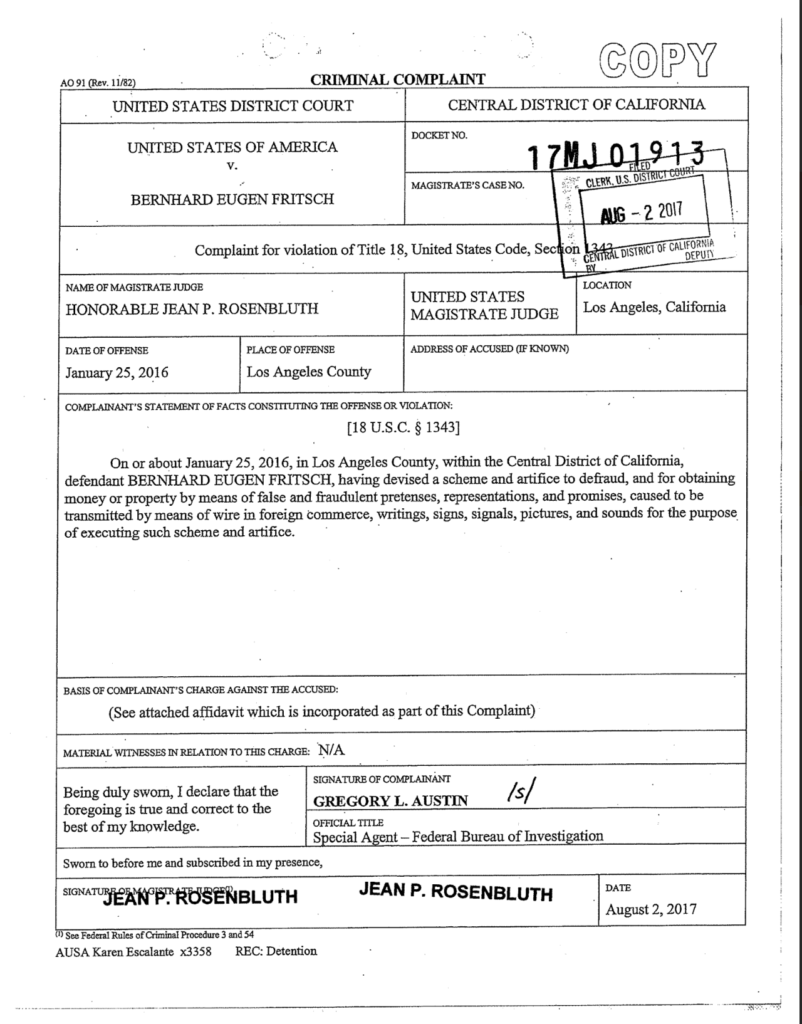
According to the DOJ’s complaint which are public filings from the original prosecution, ONeal was specifically characterized as a “driver and receptionist.” Yet documents and communications now circulating publicly demonstrate ONeal’s title on his StarClub business card and emails from his StarClub email account as Communications Manager. Documents in the DOJ’s possession clearly indicate he indeed engaged in communications and an executive advisory role with the CEO (Fritsch) within the StarClub operation itself.
The case also raises increasingly uncomfortable questions surrounding the government’s characterization of key witnesses and insiders.
According to the DOJ’s complaint which are public filings from the original prosecution, ONeal was specifically characterized as a “driver and receptionist.” Yet documents and communications now circulating publicly demonstrate ONeal’s title on his StarClub business card and emails from his StarClub email account as Communications Manager. Documents in the DOJ’s possession clearly indicate he indeed engaged in communications and an executive advisory role with the CEO (Fritsch) within the StarClub operation itself.
Email records clearly demonstrate ONeal facilitated meetings with Universal Studios President Ron Meyer, arranged a meeting at Oracle founder Larry Ellison’s Carbon Beach residence, brokered a sports stunt with international soccer star Neymar Jr. which became a Carl’s Jr’ Super Bowl Commercial, and sent Fritsch dozens of emails documenting recurring financial “signals”.
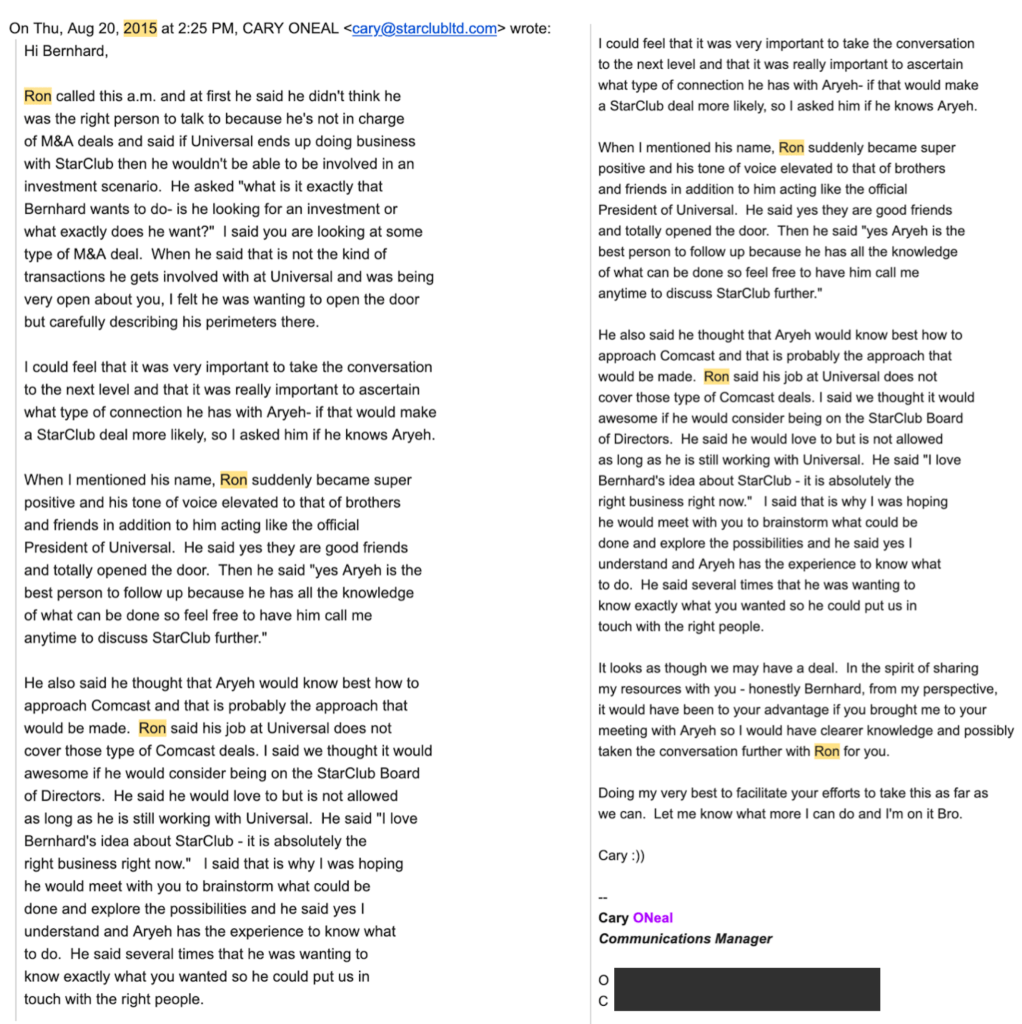
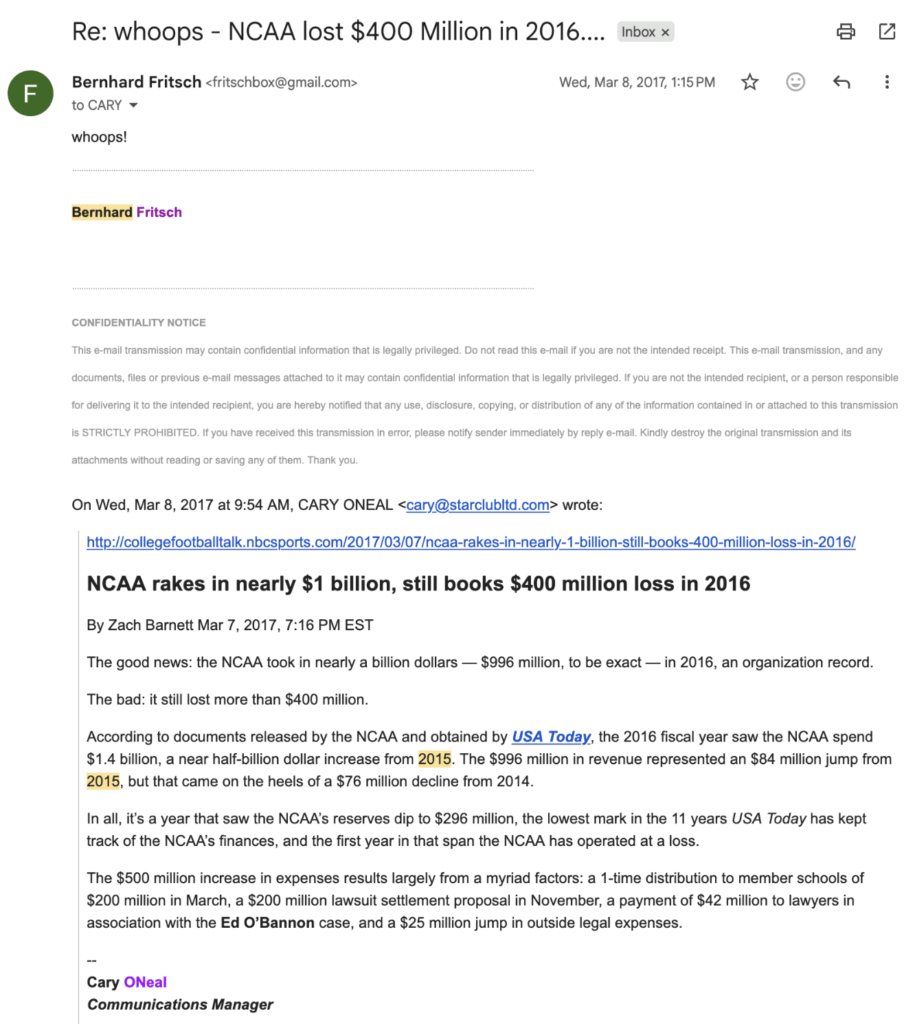
If accurate, the divergence between the public courtroom characterization and the internal communications record becomes difficult to ignore.
At the same time, the offshore entity clearly establishes the architecture to transfer the funds to the Bahamas. According to insiders, Fritsch maintained operational ties involving Germany and Dubai. Fritsch openly discussed meetings with high-level government officials in Dubai.
By 2017, the recurring $1.7 billion and $400 million financial signatures that had appeared for years across corporate scandals, government allocations, and major market events resurfaced yet again, this time inside the energy sector and directly adjacent to the Bernhard Fritsch case itself. At the center of that overlap was Russian state-owned nuclear giant Rosatom and Salida Capital, a firm identified by insiders as operating under the Rosatom umbrella. What makes this especially significant is that the government’s own star witness against Bernhard Eugen Fritsch, Daniel Guy, was not simply portrayed as an independent private investor. According to materials and communications now circulating publicly, Guy held an executive role connected to Salida Capital, placing a Rosatom-linked entity directly inside the center of the prosecution narrative.
According to former StarClub associate Cary ONeal, when he informed an FBI agent during the investigation that Salida Capital was a subsidiary of Rosatom, the response was immediate and telling. The agent allegedly sounded startled and asked, “How do you know that?” The significance of that reaction cannot be ignored because it suggests investigators may not have fully appreciated the geopolitical overlap sitting inside the case they were building. Intelligence and materials later provided to federal authorities detailed how Rosatom and affiliated entities were themselves posting financial transactions repeatedly involving the exact same $1.7 billion and $400 million figures that had already been identified years earlier as part of what insiders described as recurring “Binary Signals” tied to the ongoing RICO scheme.
Despite those overlaps, the Department of Justice proceeded with a far narrower domestic wire fraud narrative, ultimately categorizing a Russian state-linked entity as a private investment victim rather than exploring the broader geopolitical and financial implications raised by insiders around the case. That divergence now sits at the center of growing criticism surrounding the investigation itself.
During his four years working inside the StarClub operation, ONeal claims he sent Bernhard Fritsch more than fifty separate email communications documenting recurring $1.7 billion and $400 million headline events appearing throughout the financial and corporate press almost weekly. According to ONeal, those emails are in the StarClub servers the FBI seized in their raid of the StarClub headquarters.
What further complicates the public narrative is the government’s repeated characterization of ONeal as merely a “driver” or “receptionist” during portions of the proceedings. ONeal’s physical placement near the reception area stemmed from a documented medical accommodation involving WiFi sensitivity that kept him away from the company’s larger server banks and technical infrastructure. Whether federal authorities ignored those executive-level communications intentionally, misunderstood the scope of his role, or strategically narrowed the narrative surrounding the case is a question that remains unresolved and increasingly relevant as more internal records surface publicly.
The deeper issue now emerging from the wreckage of the StarClub case involves what insiders have begun referring to as the “$77 Million Enforcement Gap.” At the center of that controversy is the TAB 5 Asset Purchase Agreement, a document housed inside the Santa Monica headquarters before the August 2, 2017 FBI raid. The agreement outlined a $77 million offshore intellectual property transfer between StarSite, Inc., a Delaware corporation, and US-Master Tec, Inc., a Bahamas-based international business company operating out of Nassau.
The existence of that Bahamas infrastructure dramatically expands the scope of unanswered questions surrounding the investigation because it suggests the presence of a formal offshore asset architecture tied directly to the StarClub operation years before Fritsch fled the country in 2026. While investigators may not have possessed the agreement prior to the raid itself, the contract existed among the corporate records housed at the Santa Monica headquarters seized by federal authorities. Yet to date, no detailed public forensic explanation has been provided by the Department of Justice reconciling the existence of this international offshore structure with the comparatively narrow $25 million wire fraud prosecution pursued against Fritsch.
That gap matters because offshore intellectual property transfers and Bahamas-linked entities are not incidental details in modern financial investigations. They represent the exact types of structures commonly examined when investigators attempt to trace international capital movement, asset shielding strategies, and potential flight preparation. Critics now argue that by failing to publicly address the broader offshore architecture tied to the StarClub operation, investigators may have left critical financial pathways effectively unexamined while Fritsch escaped through Mexico before resurfacing in Germany as a fugitive.
The pressure surrounding those unanswered questions has intensified following a series of investigative memorandums and certified mailings sent directly to Colin McDonald in Washington, D.C.
According to the filings, the StarClub case is being framed not as an isolated fraud prosecution, but as a visible example of what insiders describe as a much larger “octopus” of systemic financial non-enforcement stretching back decades. The memorandums argue that federal authorities have possessed a forensic roadmap involving interlocking corporate shells, recurring financial signatures, and offshore structures since at least 2005, yet repeatedly failed to pursue enforcement actions commensurate with the scale of the allegations.
The filings further characterize the Fritsch matter as an example of what is described as an institutional “Green Light” policy of non-enforcement — the exact environment McDonald was appointed to confront. Now, with Bernhard Fritsch officially a fugitive in Germany, the Malibu mansion sold, the StarClub empire dismantled, and the offshore questions still unresolved, the central issue facing investigators may no longer simply be where the money went.
The real question is why, after more than two decades of warnings, recurring financial signals, offshore documentation, and repeated communications sent directly into federal channels, the Department of Justice appears once again to have stopped short of confronting the broader architecture sitting behind the case.