
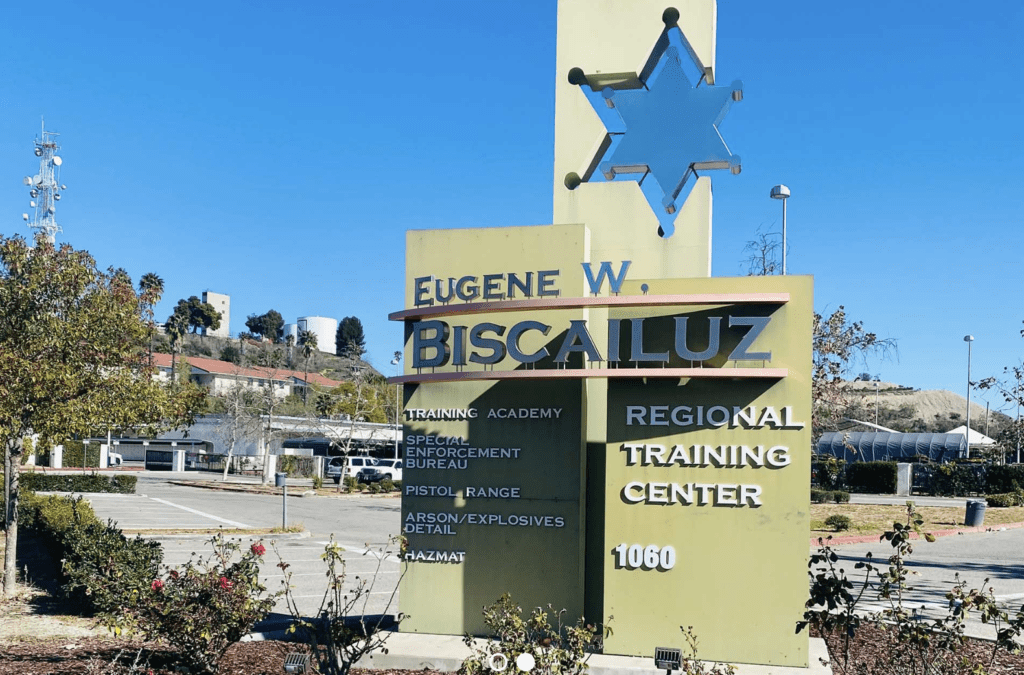
Last year, the Los Angeles County Sheriff’s Department suffered one of the darkest days in its history when Detectives Joshua Kelley-Ecklund, Victor Lemus, and William Osborn were killed in a catastrophic explosion at the Biscailuz Center.
Perhaps the greatest tragedy is that the evidence shows these detectives weren’t killed by bad luck. They were killed in an explosion that state investigators concluded was preventable.
Cal/OSHA ultimately cited the department for multiple serious and willful safety violations, issuing approximately $350,000 in fines after determining LASD had failed to maintain a safe work environment.
Over the past year, The Current Report has uncovered evidence suggesting the failures that led to those three deaths were not isolated mistakes. Instead, they point to something far more troubling: a command culture where expedience repeatedly trumps safety, where experience appears secondary to the good old boys club, and where policy, procedure, protocol, and accountability take a back seat to protecting those in leadership.
That culture doesn’t appear to have ended with the deaths of three detectives.
If anything, the evidence suggests it continues.
Just weeks before the one-year anniversary of the fatal grenade explosion, another explosion rocked the Biscailuz Center on June 5, 2026, prompting a new Cal/OSHA investigation and raising fresh concerns about whether meaningful changes were ever implemented after last year’s tragedy.
Now, The Current Report has uncovered another incident that raises an equally disturbing question:
How many unnecessary risks have LASD bomb technicians been expected to absorb because leadership failed to provide the equipment, planning, supervision, and oversight required for one of the most dangerous jobs in law enforcement?
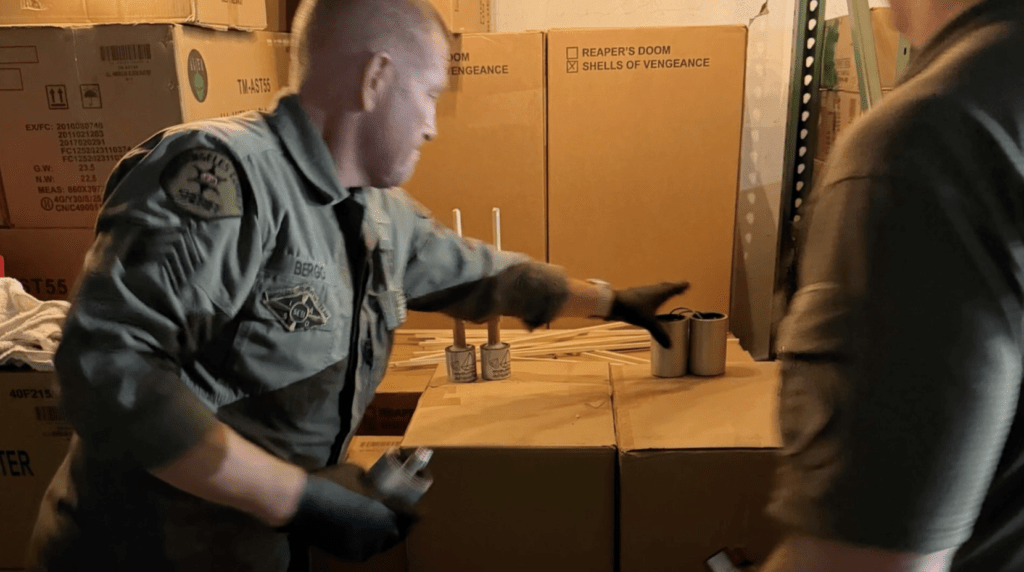
According to the City of Pasadena, police and fire investigators executed a June 19 search warrant that uncovered a large cache of illegal fireworks, including homemade explosive materials. Because of the hazards involved, the Los Angeles County Sheriff’s Department Bomb Squad was called to safely remove the explosives.
On paper, it sounded like a routine mutual aid response.
According to multiple sources familiar with the operation, it was anything but.
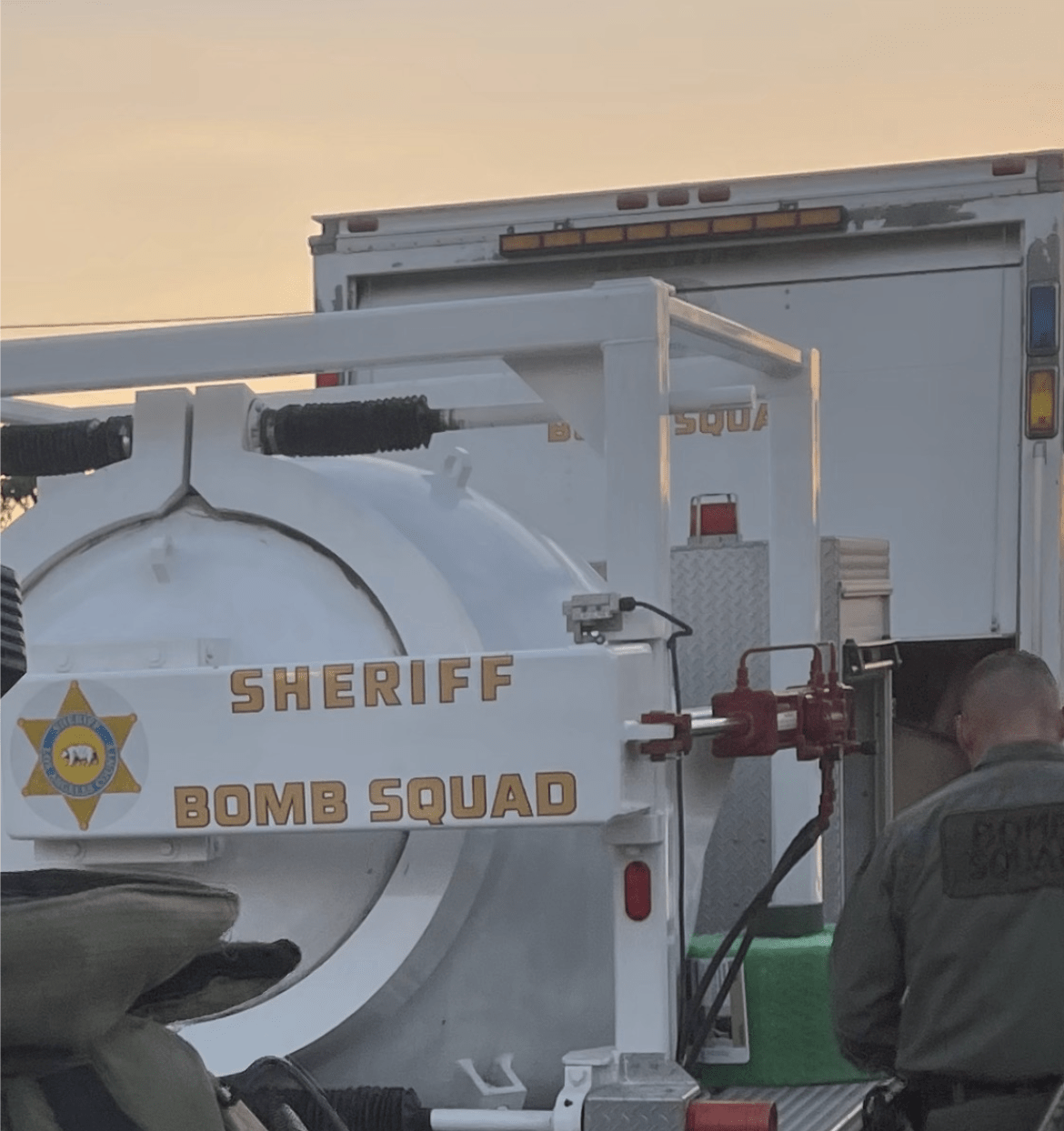
Sources told The Current Report the Bomb Squad’s Total Containment Vehicle (TCV), the specialized vehicle designed to safely transport hazardous explosive materials, broke down during the operation.
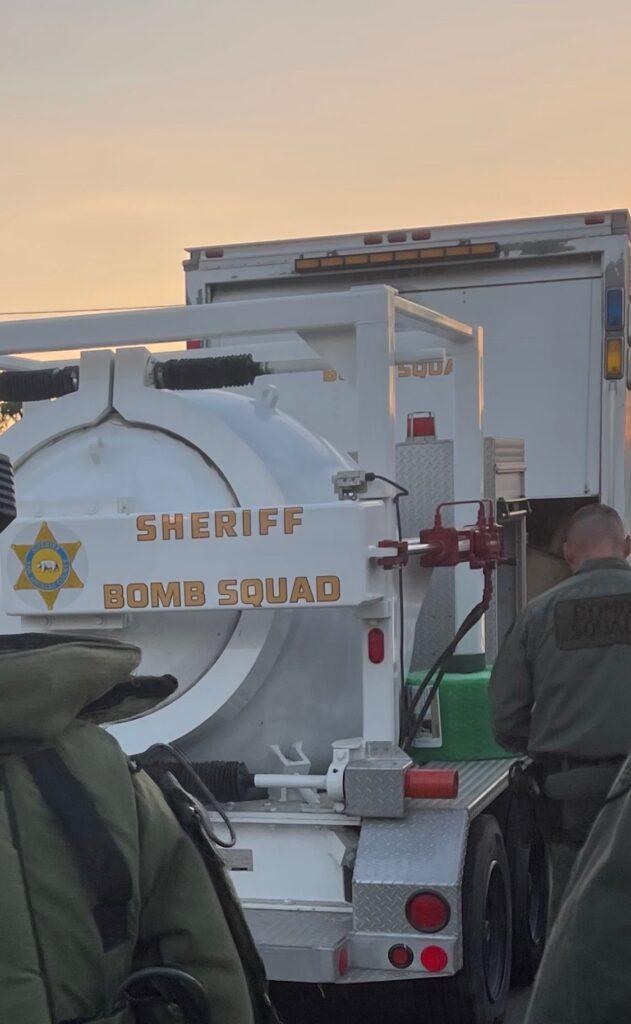
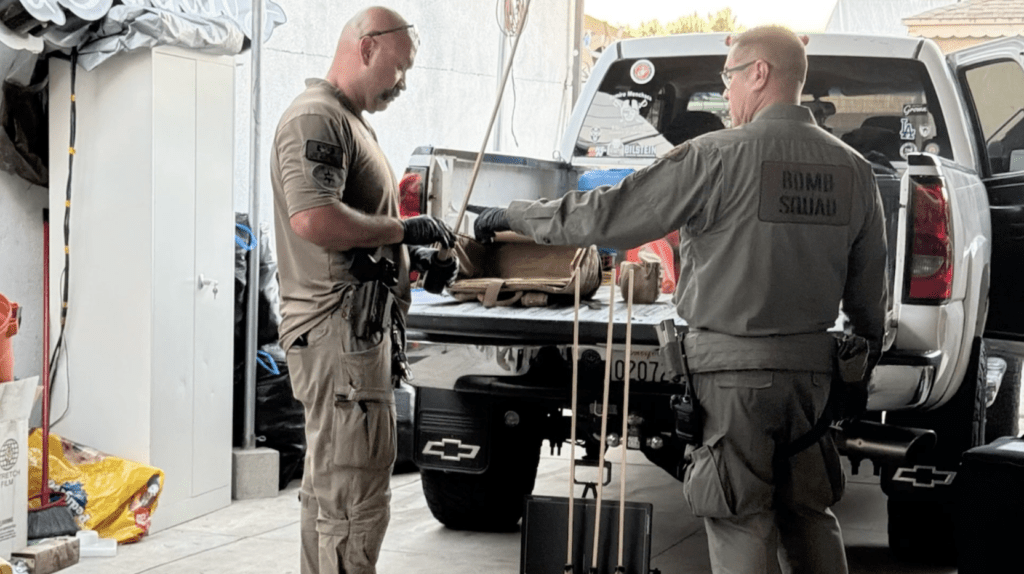
That should have triggered an immediate contingency plan.
According to multiple sources, there wasn’t one.
Instead, sources allege Lieutenant Reedy instructed the team to simply “figure it out,” leaving bomb technicians to solve a dangerous operational problem with little meaningful support or direction from command staff.
Sources further told The Current Report that Reedy allegedly did not believe this type of call warranted his response and has shown little interest in being inconvenienced by responding to Arson and Explosives Detail operations. If accurate, those allegations raise troubling questions about command presence during high-risk incidents where leadership is expected to do far more than issue instructions from afar. Bomb technicians should never be left wondering whether their supervisors will show up when critical equipment fails in the middle of an explosives operation.
According to those same sources, technicians ultimately transported a significant quantity of explosive powder inside their personal Chevrolet Tahoes using specialized fragmentation containment bags, commonly known as “Frag Bags,” because no box truck could be located to tow the disabled Total Containment Vehicle. Sources further stated the truck assigned to tow the TCV was itself nearly 20 years old, and that was the equipment that failed.
These allegations raise significant safety concerns. The transportation of explosive materials is generally governed by U.S. Department of Transportation hazardous materials regulations, which establish strict requirements for packaging, securement, vehicle suitability, and risk mitigation during transport. Those standards exist because an incident involving energetic materials doesn’t just endanger the personnel transporting them—it can place every motorist, every pedestrian, and every surrounding community at risk.
Think about that for a moment.
One of the most highly trained bomb squads in the country allegedly found itself transporting explosive material in personal SUVs because specialized equipment failed, the backup equipment failed with it, and leadership allegedly had no contingency plan beyond telling deputies to “figure it out.”
This wasn’t simply an equipment problem.
It was an operational failure.
And if these allegations are accurate, it was a leadership failure.
What makes this latest incident even more troubling is that it mirrors another pattern The Current Report has been documenting for months: a glaring lack of supervision and command oversight.
As previously reported, department sources alleged there was so little meaningful supervision following the fatal grenade explosion that personnel allegedly felt empowered to remove and dispose of the second grenade on their own rather than preserve it as critical evidence and follow established explosive-handling protocols.
According to The Current Report’s investigation, the second grenade was allegedly discarded in a public recreational area, creating yet another unnecessary risk to the public while raising serious questions about accountability inside the department. If personnel believed they could make a decision of that magnitude outside the chain of command, it raises an uncomfortable but necessary question:
Where is the supervision?
That alleged disposal has since become part of an ATF investigation and further underscores concerns that the department’s problems extend well beyond equipment failures to a broader breakdown in leadership, supervision, and accountability.
Explosive powder is not ordinary cargo.
Its transportation is governed by strict safety protocols because when something goes wrong, the danger extends far beyond the deputies transporting it.
Which means…
Every commuter driving beside those Tahoes.
Every family stopped at a red light.
Every motorcyclist sharing the freeway.
Every child riding in the back seat of the car next to them.
None of them likely had any idea they were traveling alongside vehicles reportedly carrying a substantial quantity of explosive material because specialized transport equipment had failed and no viable contingency plan existed.
Bomb technicians willingly accept extraordinary risks as part of their profession.
What they should never be forced to accept are unnecessary risks created by preventable equipment failures, inadequate planning, absent supervision, or command staff who fail to lead when leadership is needed most.
What makes these allegations even more concerning is that they arise under many of the same leaders who have already come under scrutiny following last year’s fatal explosion.
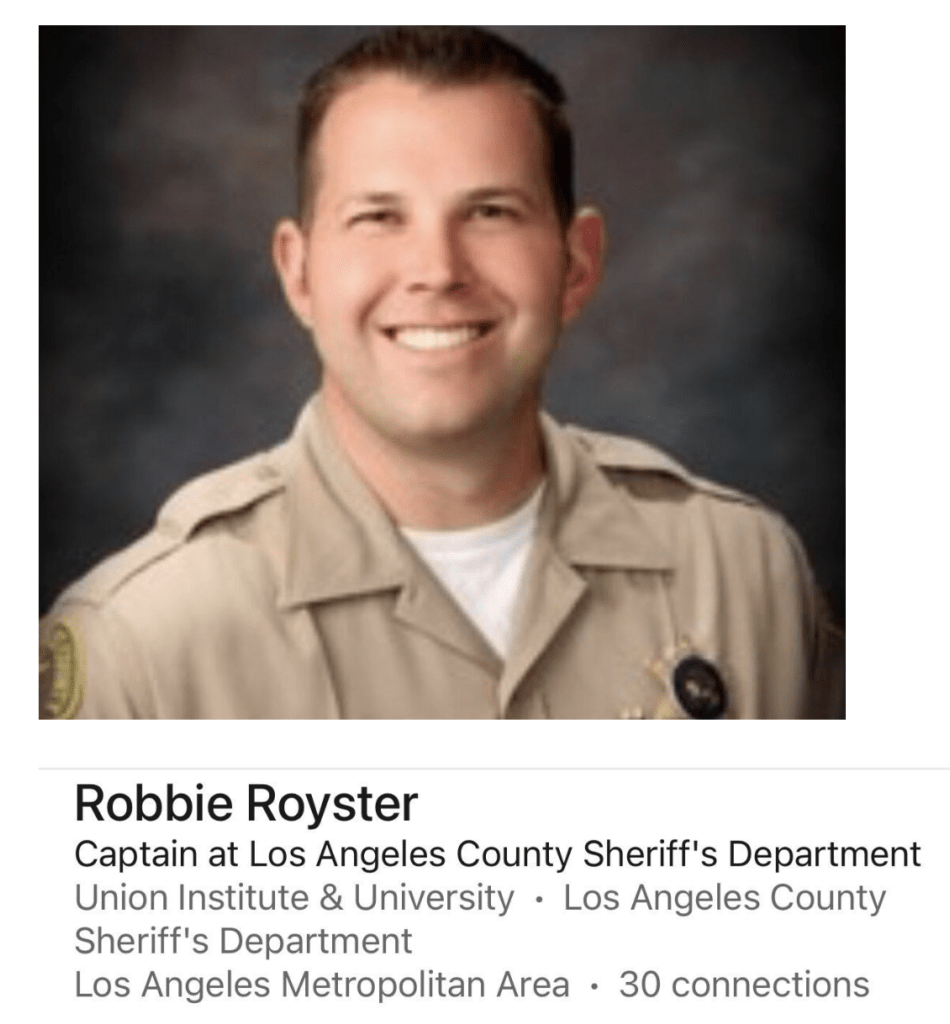
As The Current Report previously reported, Captain Robbie Royster was placed in command of the Arson and Explosives Detail despite allegedly having no prior explosives or Special Enforcement Bureau experience before assuming one of the department’s most technically demanding leadership positions. Multiple department sources have questioned whether experience and technical expertise have been replaced by cronyism and political favoritism when selecting leadership for highly specialized assignments.
Despite three detectives losing their lives, Cal/OSHA’s findings of willful safety violations, mounting litigation, another explosion at Biscailuz, and now these latest allegations, the same leadership structure remains largely intact.
That reality makes it increasingly difficult to dismiss each new incident as an unfortunate coincidence.
Viewed independently, a broken containment vehicle can happen.
An aging tow truck can fail.
A supervisor allegedly telling deputies to “figure it out” could be dismissed as poor judgment.
Personnel allegedly disposing of a military grenade in a public recreational area without meaningful oversight could be viewed as another isolated lapse.
But taken together, alongside a preventable explosion that killed three detectives, Cal/OSHA’s findings of willful safety violations, another explosion at Biscailuz, and now allegations that bomb technicians were forced to transport explosives in personal vehicles, they no longer resemble isolated incidents.
They resemble a pattern.
A pattern in which equipment failures, inadequate planning, absent supervision, and questionable leadership decisions continue to place both bomb technicians and the public at unnecessary risk.
The issue is no longer simply whether transporting explosive powder in personal SUVs complied with policy or industry best practices.
The larger question is why one of the nation’s premier bomb squads allegedly found itself without functioning transport equipment, without reliable backup equipment, without an effective contingency plan, and without meaningful command oversight during a high-risk explosives operation.
Why was critical equipment allowed to deteriorate?
Why was there no operational backup?
Why were bomb technicians allegedly left to solve dangerous operational problems that leadership should have anticipated long before the first call came in?
Why does The Current Report continue uncovering incidents that point to the same underlying failures?
And perhaps the most uncomfortable question of all:
How many warning signs does LASD leadership get before it stops calling these incidents isolated events and starts recognizing them as symptoms of systemic failure?
The public sees bomb technicians as heroes because they willingly place themselves between danger and everyone else.
Leadership has a different responsibility.
Its job is to ensure those risks are unavoidable, not created by preventable failures in planning, equipment, supervision, or command.
Three detectives are dead.
Cal/OSHA found willful safety violations.
A second explosion triggered another state investigation.
Now another incident has surfaced alleging bomb technicians were forced to improvise because critical equipment failed and leadership allegedly failed with it.
At some point, the most dangerous threat facing LASD’s Bomb Squad may no longer be the explosives they’re called upon to neutralize.
It may be the leadership culture that continues to place them – and the public – in harm’s way.