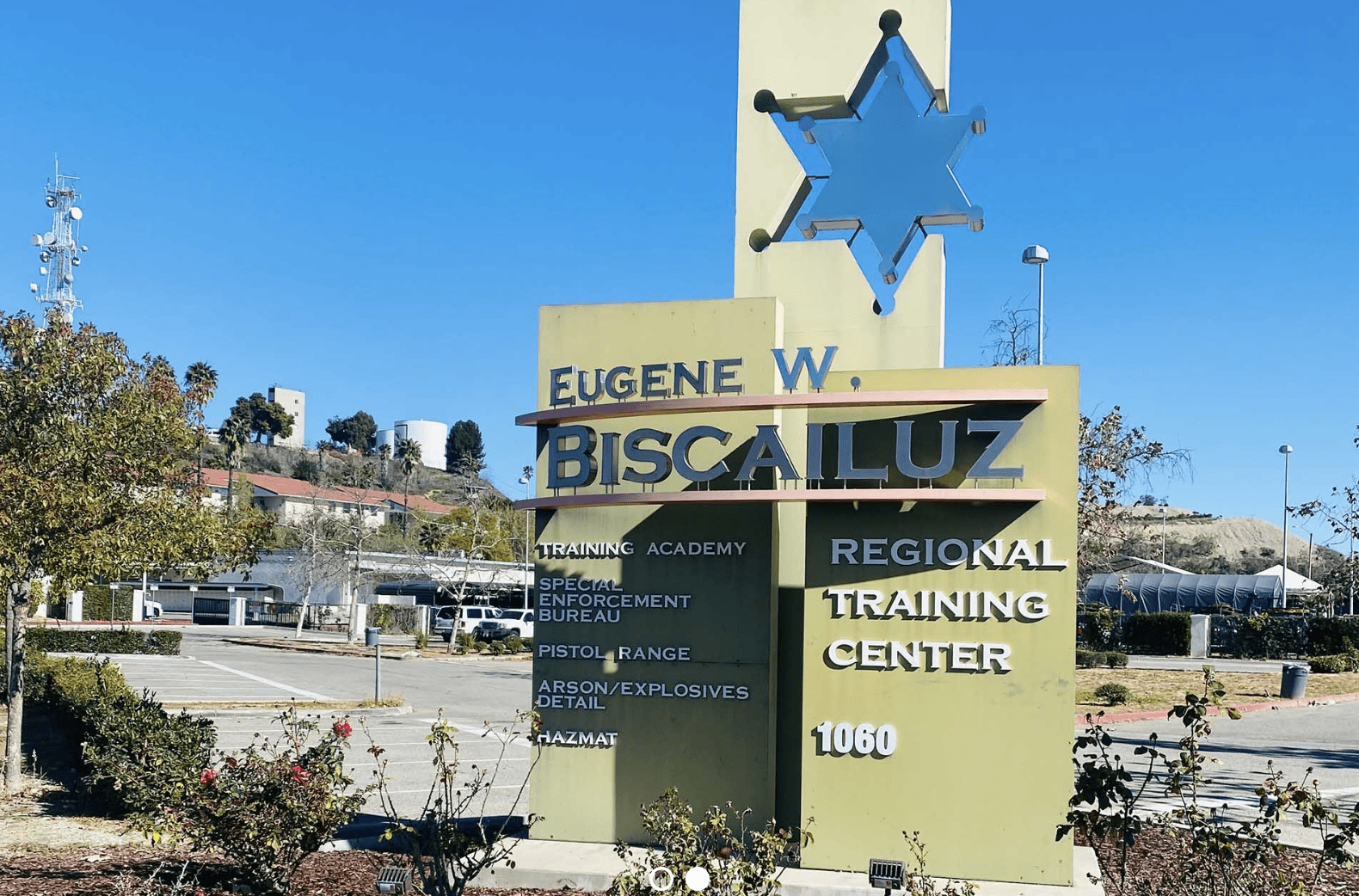
Just 11 months after a grenade explosion at the Biscailuz Center killed three detectives, employees are once again asking how a blast powerful enough to rattle buildings across the complex was allowed to occur at the very facility where one of the department’s most preventable tragedies unfolded.
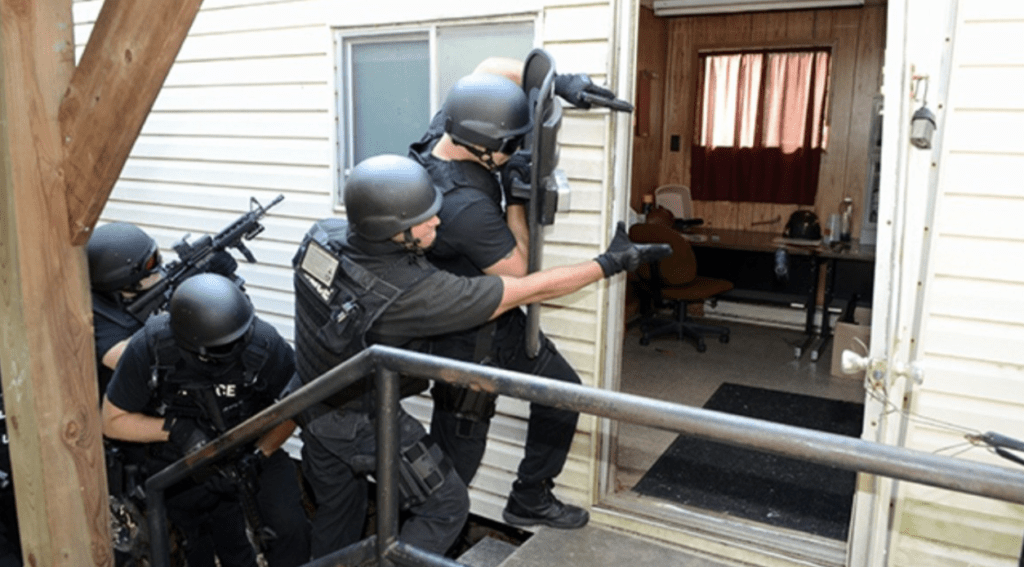
According to multiple sources familiar with the incident, personnel assigned to several buildings throughout the complex heard – and felt – a loud blast originating from the parking lot area on Friday, June 5. Witnesses described the blast as strong enough to be heard across the facility, including inside SWAT and K-9 operations as well as academy classrooms located above the scene.
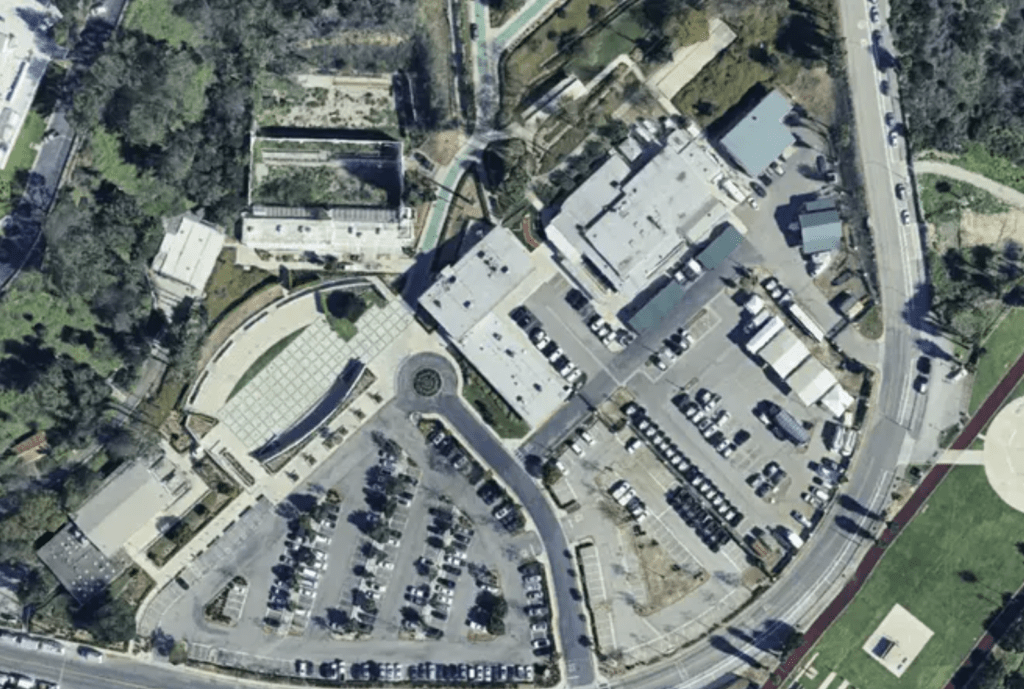
Multiple sources told The Current Report that an Arson Explosives Detail sergeant allegedly recovered a device during a field response, transported it back to the Biscailuz Center, and while manipulating the device, an unexpected blast occurred rattling buildings throughout the complex.
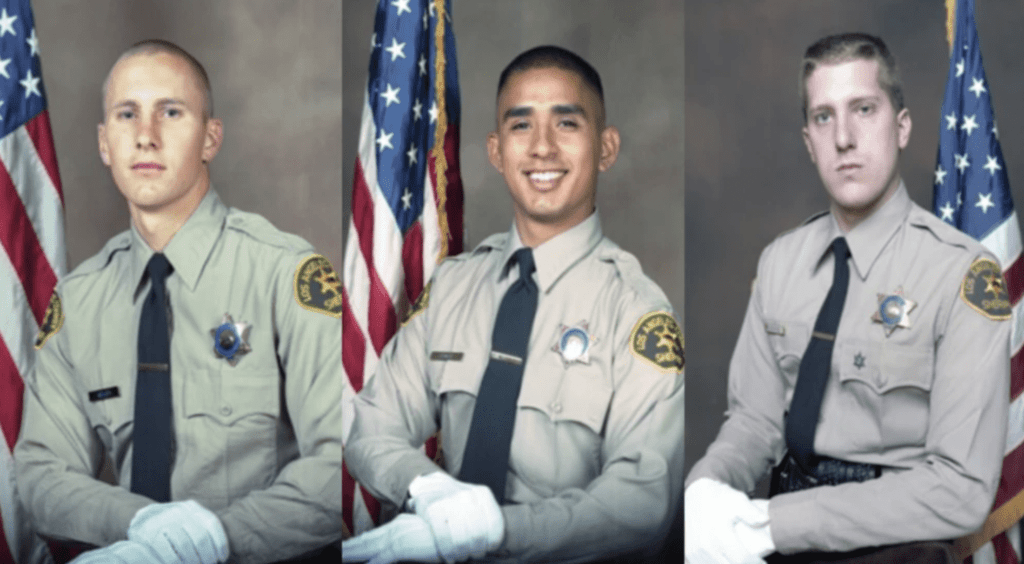
The incident immediately reignited concerns among employees who have spent the past year grappling with the aftermath of the July 2025 explosion that killed Detectives Joshua Kelley, Victor Lemus, and William Osborn. For many, the questions were immediate and unavoidable: Did the department learn anything from the deaths of three highly trained detectives? Wasn’t that tragedy, along with hundreds of thousands of dollars in Cal/OSHA penalties, supposed to change how explosive materials are handled?
Sources familiar with department operations say both longstanding safety protocols and post-tragedy policy recommendations prohibit this type of activity from being conducted at the Biscailuz Center. Those restrictions exist for a reason: the facility is neither designated nor approved for the examination, destruction, or disposal of explosive devices.
A veteran bomb technician familiar with explosives safety protocols told The Current Report that “these types of detonations should take place in a safe environment, sufficiently away from structures and non-essential personnel.” The technician further explained that when there is a possibility of a high-order detonation, established safe-distance calculations, commonly known as K-factor formulas, should be considered before any action is taken.”
According to sources with knowledge of explosives operations, the inspection, disassembly, destruction, and disposal of potentially hazardous devices are routinely conducted at the department’s bomb range under controlled conditions. Those facilities are specifically designed for that purpose, equipped with specialized safety measures, trained personnel, and established protocols intended to prevent exactly this type of incident.
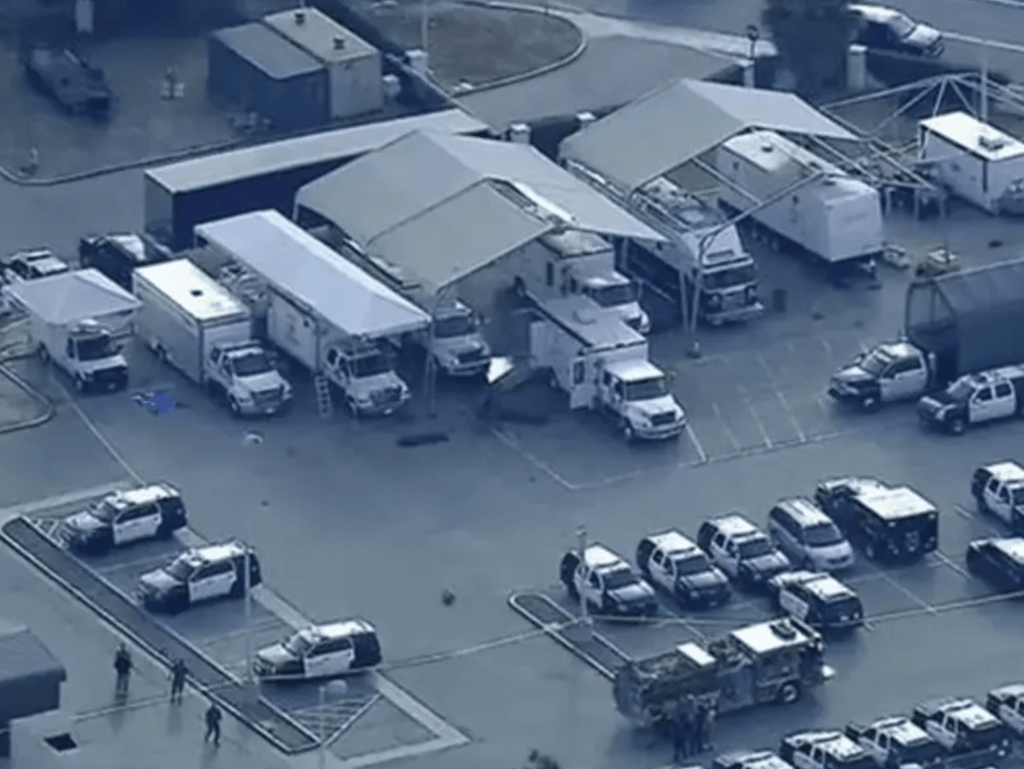
A parking lot at the Biscailuz Center is not the bomb range.
For many employees, that simple fact is at the heart of the controversy.
The most recent incident raised concerns about a culture in which convenience and shortcuts continue to override established safety procedures, despite the catastrophic consequences already witnessed by the department.
Those concerns inevitably lead back to questions of leadership and accountability.
Friday’s incident occurred under the command of Captain Robbie Royster, the same commander overseeing the unit at the time of the July 2025 grenade explosion that claimed the lives of three detectives. Despite findings and allegations that established safety procedures were not followed leading up to that tragedy, Royster was never publicly disciplined and remains in command of the unit today.
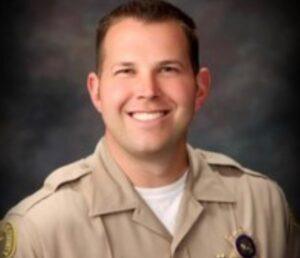
For many employees, the fact that another alleged explosives-related incident occurred under the same command structure raises a troubling question: if the deaths of three detectives, Cal/OSHA findings, substantial fines, and a year of public scrutiny were not enough to drive meaningful change, what will be?
For those still carrying the trauma of July 2025, this is about far more than a single lapse in judgment. It is about whether the lessons paid for in blood were ever truly learned.