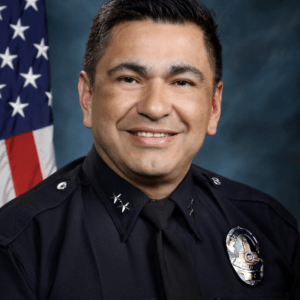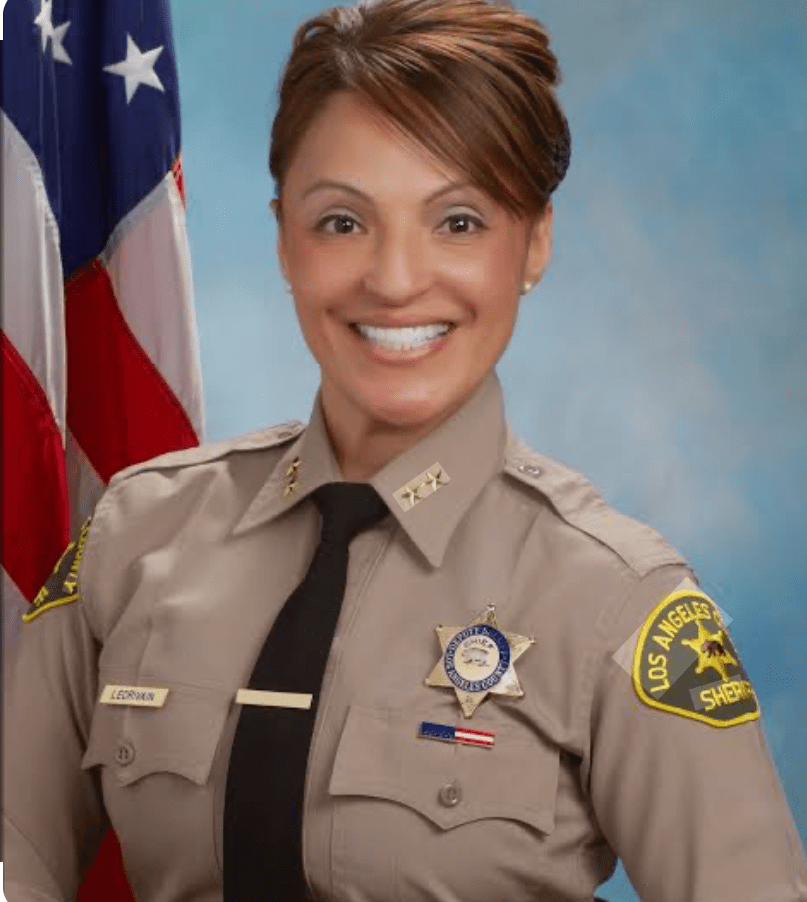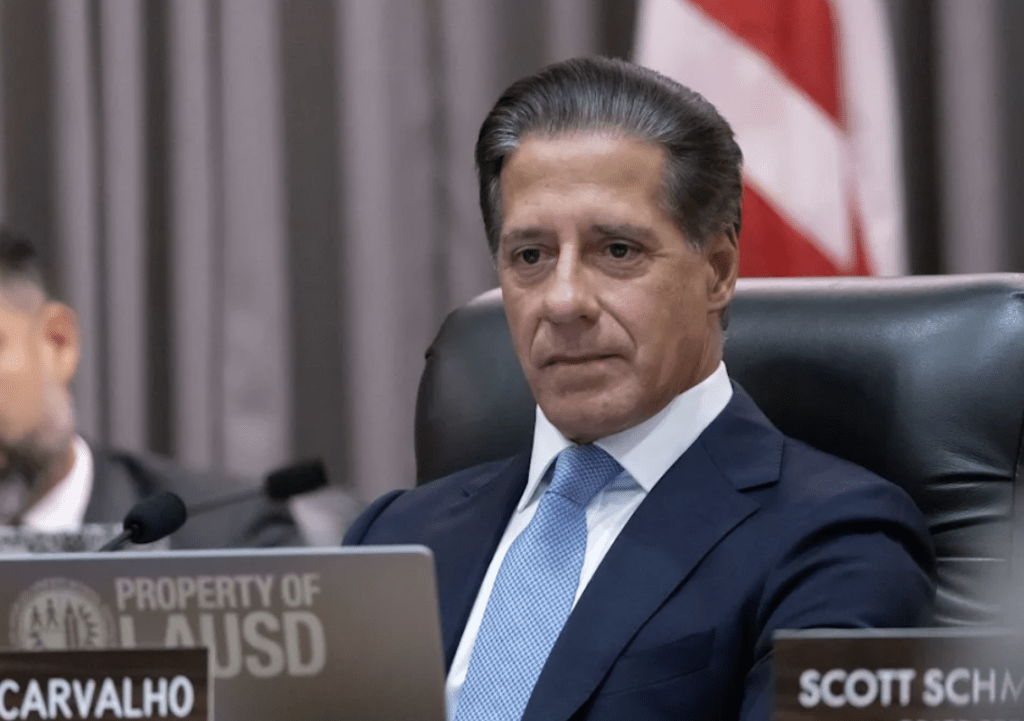
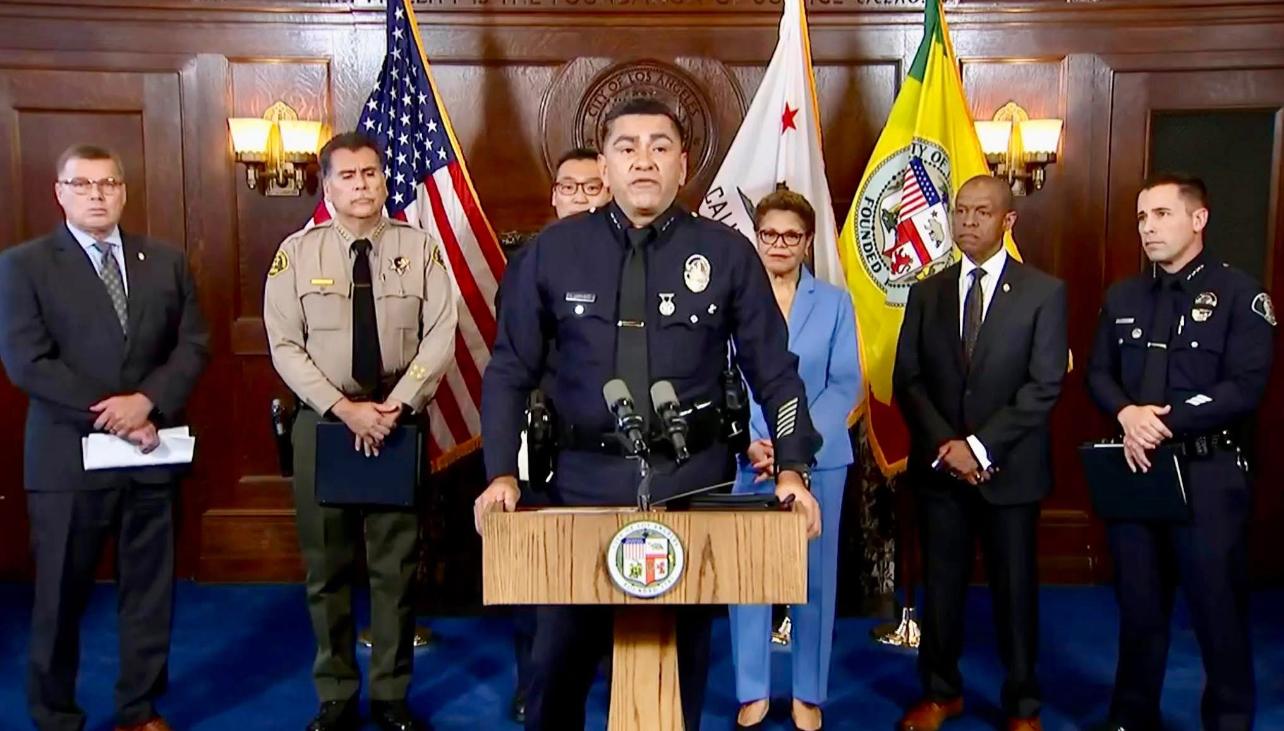
Some of life’s deepest lessons are not learned in comfort. They are learned in struggle. My story began in Mexico City, where I lost my father at two years old. My mother raised us alone through constant financial hardship, but she gave us something far more valuable than money. She gave us faith, integrity, and the belief that no obstacle is too great when kindness and character lead the way. We had very little, but we were rich in the values that still define me today: hard work, humility, loyalty, and service to others.
That calling to serve led me first to the United States Marine Corps during the Persian Gulf War. The Marines taught me that leadership is not just about strength. It is also about sacrifice, discipline, and the ability to carry responsibility without losing your humanity. When that chapter ended, I looked for another way to serve and joined the Los Angeles Police Department in 1993.
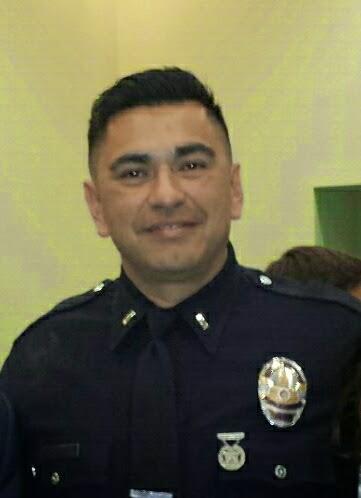
For more than thirty-one years, I gave everything I had to the LAPD and to the people of Los Angeles. I rose through the ranks by doing the work, taking on the hard assignments, and showing up in the moments that tested the department the most. I began in Northeast Division and Southeast Division, then served as a field training officer, vice officer, and senior lead officer. After promoting to sergeant in 2000, I led teams in Wilshire and 77th Street and later oversaw South Bureau gang operations. I served as a gang sergeant, bureau gang coordinator, violent crime coordinator, officer in charge of an FBI and ATF gang task force, and squad leader in Metropolitan Division.
In 2012, I promoted to lieutenant and served as a watch commander and Central Bureau gang coordinator. In 2013, the Chief of Police selected me as LAPD community liaison, a role that reflected the trust I had built both inside the department and in the community. In 2017, as captain of Hollenbeck Area, I focused on strengthening youth diversion and public safety programs in one of the most diverse communities in Los Angeles.
In 2019, I promoted to commander. In 2020, during the civil unrest, I was called in from South Bureau to Central Bureau to serve as operations chief during one of the most difficult periods in modern Los Angeles history. In 2021, as deputy chief, I led Operations Central Bureau and later helped oversee security preparations for major events including Super Bowl LVI. In 2022, I was appointed assistant chief and director of the Office of Special Operations, where I assumed command of Counterterrorism, Detective Bureau, and Transit Services. Before my retirement, I had already begun planning reforms and improvements for major event preparation and response.
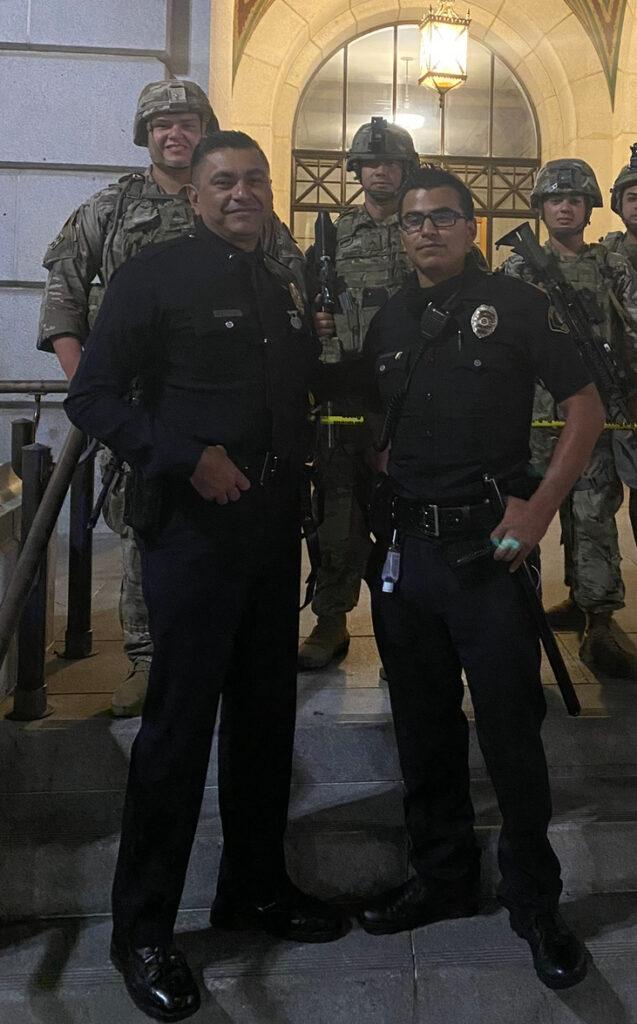
One of the images that still stays with me is spending my fiftieth birthday at the 2020 riots command post. Danny Trejo stopped by with tacos for the officers and sang Happy Birthday with everyone. Then it was right back to work. For fourteen straight days, I was on PM watch overseeing operations during the unrest. My mission was simple and heavy at the same time: no officers seriously hurt, no police cars damaged in our area, and no freeway incursions. I prayed constantly during those days that I would not lose a cop. We had strong leadership on the ground and resilient officers who answered the call. Within two days, we regained control. We had no significant injuries to officers, no police cars damaged downtown during my operational period, and no freeway incursions under my command.
I say all of that not to relive a résumé, but to make something clear. I earned my place. I put in the work. I was not handed anything. I carried the weight of critical incidents, citywide unrest, major events, and delicate community crises. I was repeatedly called on for the heavy lift because people knew I would show up and get the job done.
That is why what came later was not just painful. It was revealing.
Over time, I came to see a system inside LAPD leadership that too often rewarded loyalty over truth and protected certain insiders while targeting others. Under Chief Michel Moore, I believe Internal Affairs became less about objective accountability and more about selective enforcement. A protected circle was cultivated, made up of people whose vulnerabilities and past conduct made them dependent on the very leadership that should have held them accountable. When people owe their careers to one man, they stop serving the mission and start serving the protector.
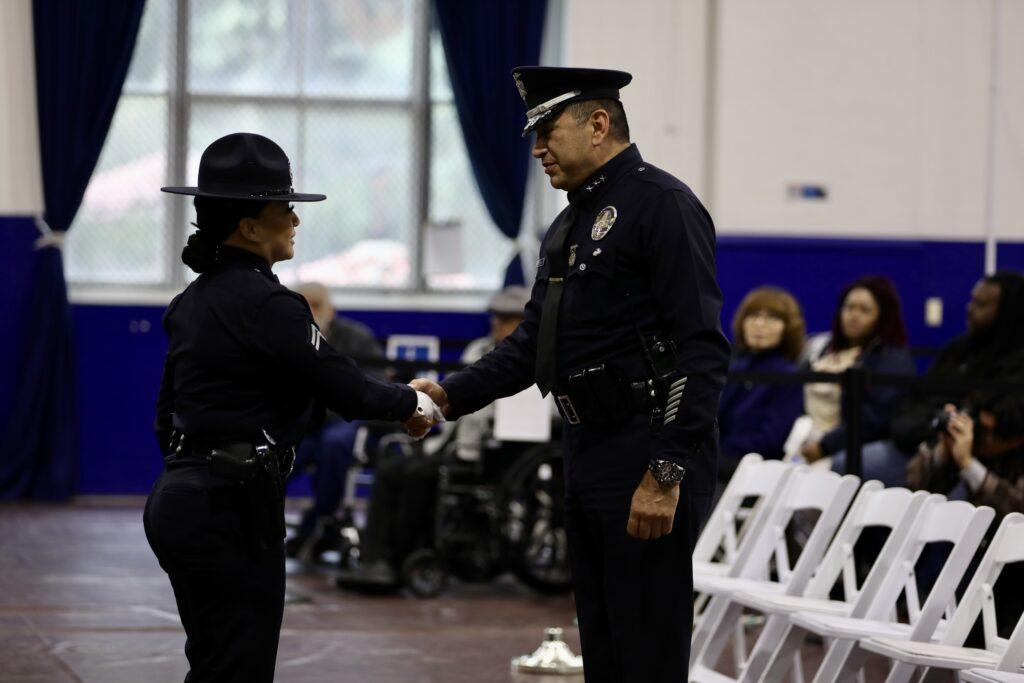
I saw double standards that were impossible to ignore. I saw serious allegations against some command staff fade away quietly, while other cases were pursued aggressively and leaked publicly when it served a narrative. I saw people with troubling histories remain protected while others were sacrificed. The message became clear. Loyalty to the chief mattered more than service to the city.
By 2023, I found myself in the middle of that machine.
My greatest mistake was believing the system would work properly and trusting a person and a process that were both later weaponized against me. After I ended a domestic partnership, I became the subject of an aggressive and unethical investigation directed under then Chief Moore. The handling of my case was unlike anything I had seen in my three decades on the job. My name was released publicly before I was even interviewed. Media leaks began immediately. A temporary city phone number that had only been provided to a small circle of top department officials somehow ended up in the hands of a Los Angeles Times reporter while I was in Washington, D.C. The department issued a release naming me specifically, something that was not standard practice in active personnel investigations. In my view, I was tried in the media before any facts had been fully reviewed.
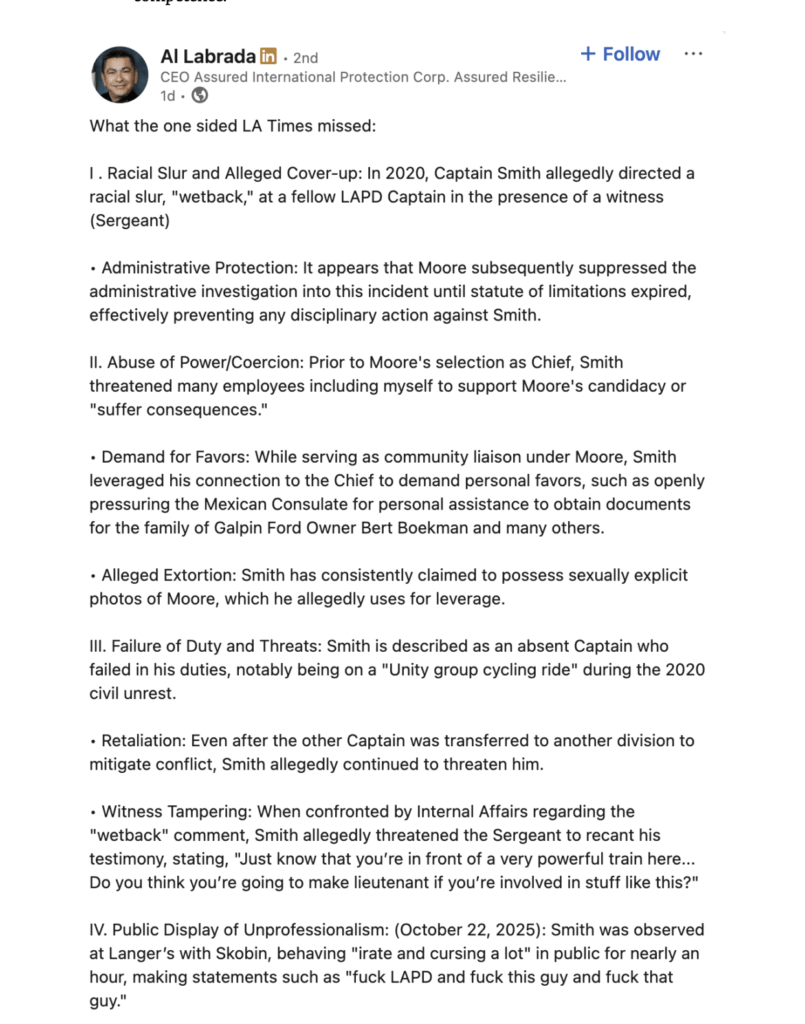
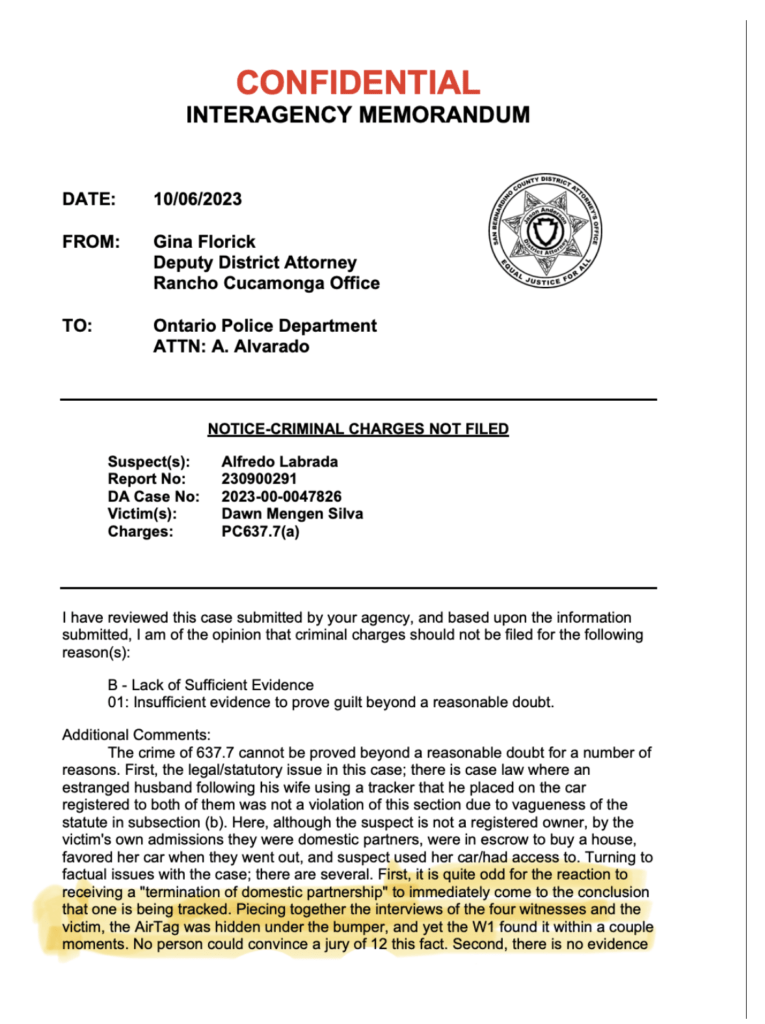
Then came the pressure to submit to interviews almost immediately, before I had a meaningful chance to gather documents, process the shock, or retain counsel. That was not due process. It was an ambush. Moore was angry that I sought legal representation, even though the leaks and misinformation made it obvious I needed protection. Additional allegations were added, yet no proper follow-up process was allowed. Even more troubling, a district attorney rejection memo that undermined the credibility of the accusations was not included in the administrative package and, from what I later discovered, was effectively hidden for months.
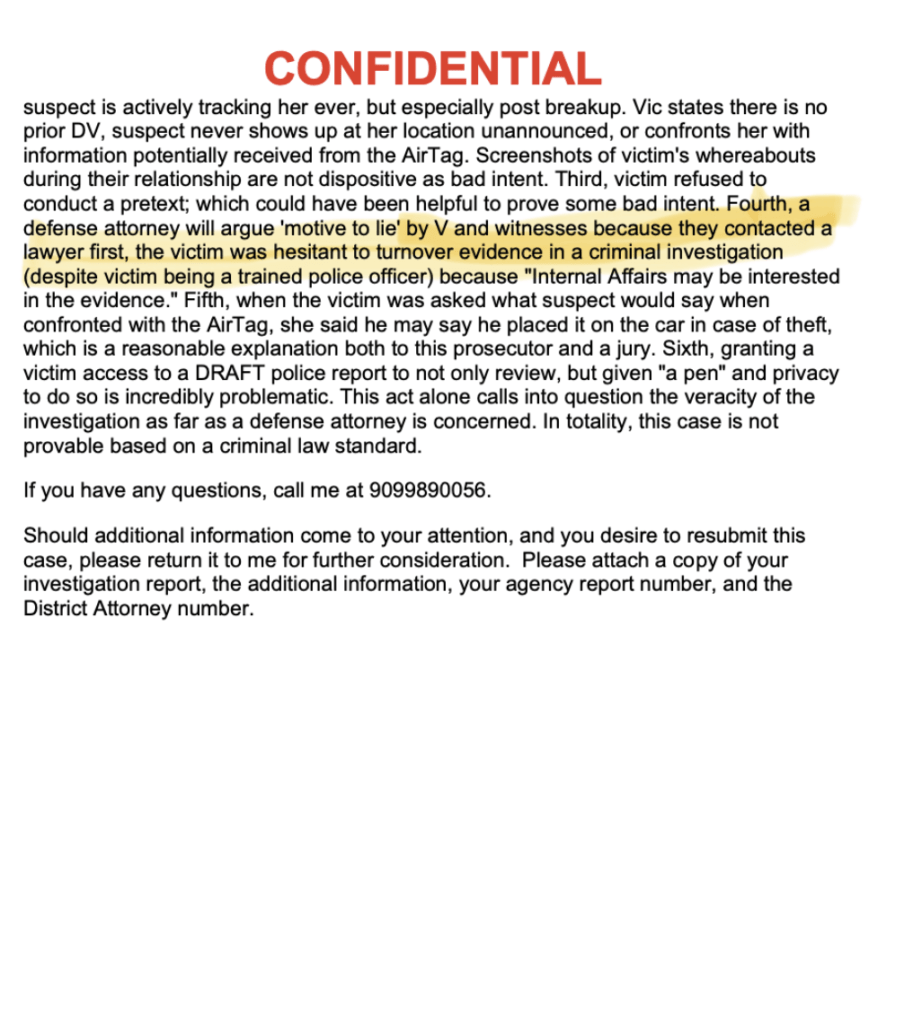
That memo mattered. On October 6, 2023, the San Bernardino County District Attorney rejected criminal charges, citing insufficient evidence and pointing to significant credibility problems in the allegations. The DA noted troubling issues with the timeline, witness claims, access to draft reports, and the overall veracity of the complaint. In any fair process, that memo should have been front and center. Instead, the administrative case continued as if none of it existed.
What followed was not a pursuit of truth. It was a campaign to preserve a public narrative.
At the same time, other internal cases reflected the same pattern of deflection and manipulation. In my view, some individuals used victimhood, selective leaks, legal theatrics, and social media pressure as tools to redirect attention away from their own conduct. I saw false statements minimized, evidence twisted, and whistleblowers or investigators cast as villains whenever facts became inconvenient. What should have been a disciplined review of evidence instead became a contest of narrative control.
I also came to understand how vulnerable anyone becomes when the legal defense around them is weak, compromised, or more interested in maintaining relationships than challenging abuse. I expected that the firm assigned through the Command Officers Association would defend me aggressively. Instead, I watched delay after delay, handoff after handoff, and a reluctance to confront the department’s narrative head-on. At a critical point in my Board of Rights process, I realized I was not being defended with the urgency or competence my career deserved. By then, the damage was well underway.
The Board of Rights process itself did not restore my faith. It felt less like a fair hearing and more like a predetermined exercise. Key witnesses were excluded. Opportunities to challenge falsehoods were limited. The process was marked by bias, indifference, and a startling lack of seriousness given what was at stake. After thirty-one years of service, I was left feeling that truth had become secondary to politics and optics.
Still, the facts ultimately outlived the narrative.
The criminal case was rejected. Later, POST determined there was not enough evidence to support the allegations and withdrew the suspension of my peace officer certificate. I was ultimately granted an honorable retirement. Those official outcomes matter because they cut through the noise. A reputation can be attacked, but facts still matter, and integrity still matters.
I do not write this because I see myself as a victim. I write it because I know how these systems work, and I know how many good people are broken by them in silence. I also write it because my life changed in ways far more profound than the loss of a career.
My wife was a gift from God. We married in May of 2025, and she helped save me in ways I still struggle to explain. She pulled me out of a season that could have destroyed me and reminded me that peace is not weakness. It is survival. I had originally planned to retire on August 8, 2023, but I canceled it because I loved the work, the cops, and the community. My therapist later told me something that hit hard because it was true. I was addicted to the chaos, the callouts, the crises, and maybe even to trying to fix someone who could not be fixed.

Then came the greatest heartbreak of my life.
In August 2025, I lost my eldest son, Andrew, a correctional officer, to suicide. There are no words that can fully explain that loss. His death changed me forever. It opened my eyes even more deeply to the silent emotional battles fought every day by first responders and veterans. The men and women in these professions are trained to carry pressure, suppress pain, and keep moving. Too often, that silence becomes deadly.
Andrew was my hero. I miss him beyond explanation. During the 2020 riots, he stood beside me in spirit, and later he went on to work at Pelican Bay. He was vocal about what he saw and what he believed needed to be exposed. His courage stays with me. His loss gave me a new mission.
Today, my purpose is different, but it is no less urgent. I am pursuing a degree in psychology so I can combine thirty-one years of real-world law enforcement experience with clinical science to help those who suffer in silence. I want to serve first responders and veterans who are navigating trauma, betrayal, politics, burnout, and grief. I am continuing to write my book, Unwavering Strength, and I intend to keep speaking the truth plainly and without fear.
If my life lessons can help even one person hold on, seek help, or find purpose again, then none of this pain will have been wasted.
I am proud to join The Current Report as a law enforcement contributor. It is an honor to work with Cece Woods, a fearless and honest truth-teller who understands that credibility still matters and that real journalism should challenge power, not protect it. I believe this platform gives me an opportunity to speak candidly about leadership, corruption, resilience, and the human cost of institutional betrayal.
I have lived enough to know this much: pain can break you, or it can refine you. I choose to let it refine me. My faith, my family, and the hard-earned lessons of service have carried me here. I am still standing. I am still speaking. And I am just getting started.
About the Author: Al Labrada is a retired LAPD Assistant Chief and CEO of Assured Resilience Strategies Corp. He holds a B.A. in Criminal Justice Management and is a graduate of the FBI LEADS and West Point leadership programs. He is currently pursuing a degree in psychology with the goal of serving as a licensed therapist for first responders and veterans while completing his forthcoming book, Unwavering Strength.