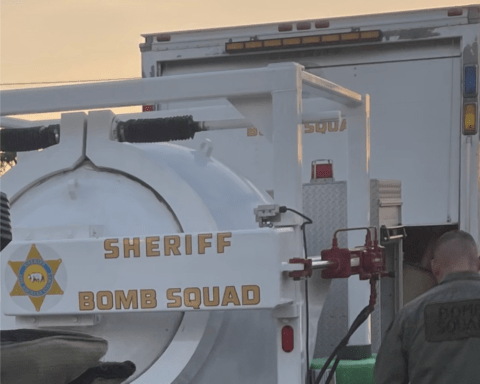
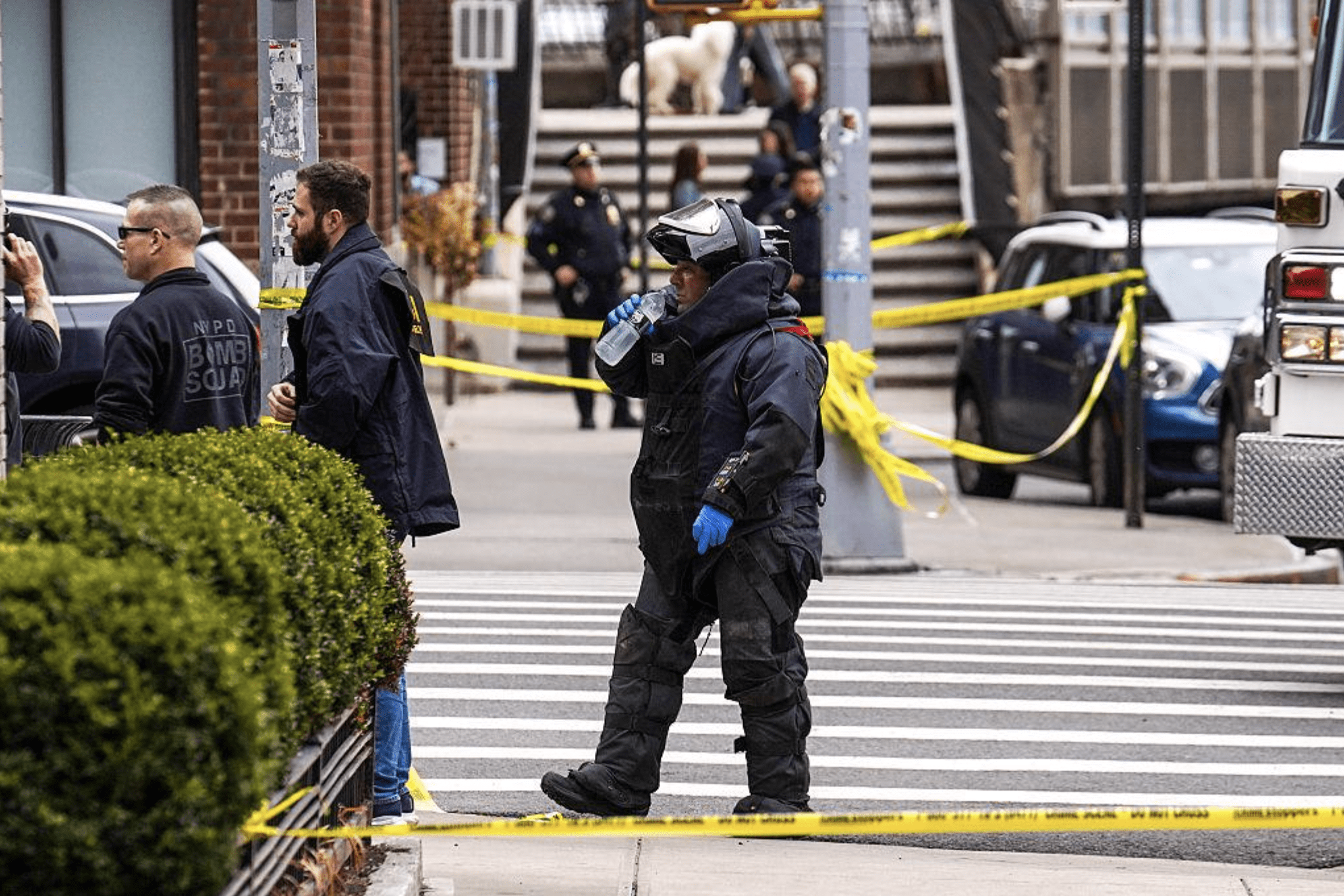
Only days after two young men were arrested for allegedly attempting to detonate homemade bombs outside the New York City mayor’s residence, another unsettling discovery has surfaced in the same neighborhood, a suspicious package found in a nearby park that triggered an immediate bomb squad response and renewed questions about whether the earlier attack was an isolated incident or part of something larger.
On Tuesday afternoon, New York Police Department bomb technicians were called to Carl Schurz Park on Manhattan’s Upper East Side after a park worker spotted what appeared to be an unusual container hidden in tall grass near Gracie Mansion, the official residence of New York City Mayor Zohran Mamdani. Authorities quickly secured the area and temporarily evacuated sections of the park as the object was examined.
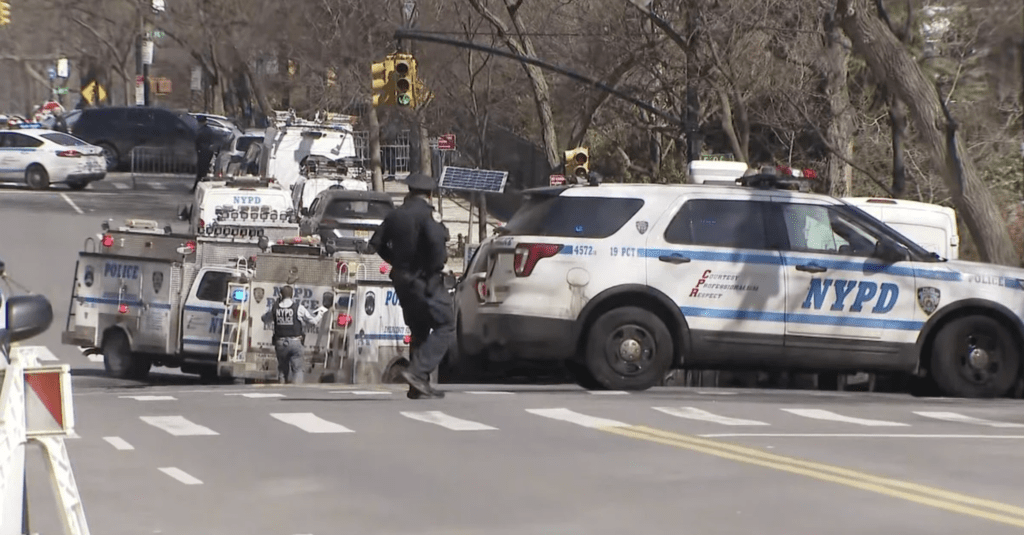
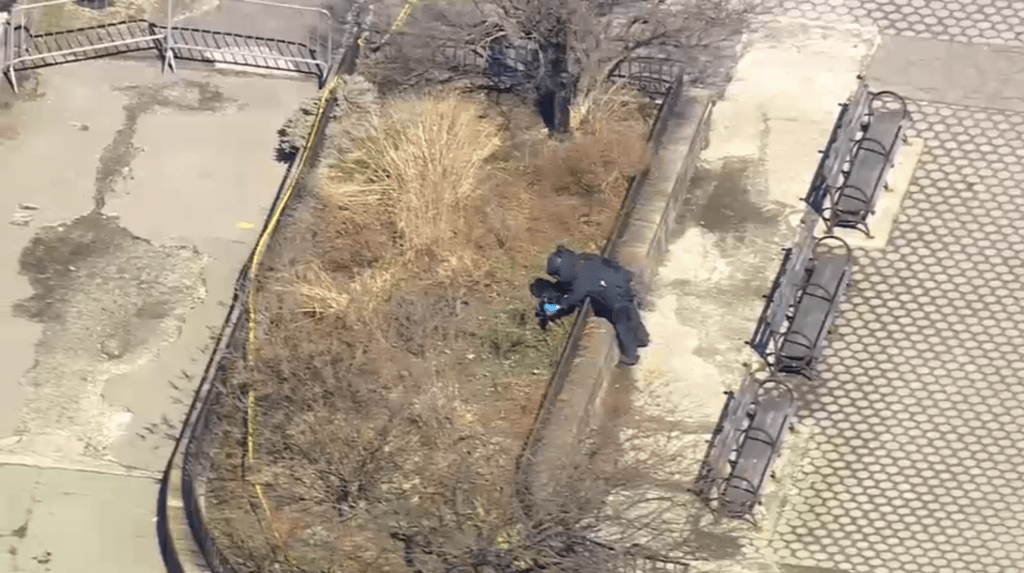
The object, described in reports as a large jar wrapped in camouflage tape with liquid inside, was ultimately determined to be non-hazardous. But the discovery came at a moment when the city was already on edge following what investigators say could have been a far more devastating attack just days earlier.
The suspicious package appeared two days after federal authorities arrested 18-year-old Emir Balat and 19-year-old Ibrahim Kayumi, two Pennsylvania men accused of throwing improvised explosive devices during a protest outside the mayor’s residence on March 7.
According to investigators, the devices were not simple fireworks or smoke bombs. Officials said they were improvised explosives capable of causing serious harm and packed with shrapnel materials such as screws, nuts, and bolts.
In the chaos of the demonstration, the bombs failed to detonate. That failure may have prevented what investigators now believe could have been a mass-casualty event in one of the city’s most densely populated residential corridors.
Authorities allege the suspects were motivated by extremist ideology and inspired by the Islamic State. Court filings indicate the pair had discussed carrying out a larger and more deadly attack, even referencing previous mass-casualty incidents as a benchmark for their ambitions.
In the days following the arrests, federal investigators expanded the probe beyond New York. In Bucks County, Pennsylvania, the FBI executed searches connected to the suspects and discovered explosive residue in a storage unit believed to be linked to the bomb-making operation. Controlled detonations were later carried out as agents worked to determine how the devices were constructed and whether additional materials existed elsewhere.
The appearance of another suspicious object so soon after the attempted bombing has inevitably raised new questions.
For investigators, the timeline is difficult to ignore. A failed bombing attempt. A federal terrorism investigation spanning multiple states. And then, days later, a container discovered in the same neighborhood that once again required the city’s bomb squad.
Authorities say the object ultimately posed no threat and have not publicly linked it to the suspects already in custody. Still, the discovery underscores how quickly a single incident can evolve into a wider security concern.
New York has experienced this pattern before. In past terror investigations, from the attempted Times Square car bombing to later multi-device plots, investigators often discovered additional materials or suspicious packages in the days immediately following an attack attempt. The period after an arrest can be volatile — when evidence is still being uncovered and investigators are racing to determine whether others were involved.
For now, law enforcement officials maintain that the situation remains under control and that there is no indication of an ongoing threat to the public.
But the sequence of events, an attempted bombing outside a mayor’s residence followed days later by a suspicious package discovered within walking distance, leaves open the question that investigators themselves are still working to answer.
Was the failed bombing the end of the plot, or perhaps the beginning of a much larger one?