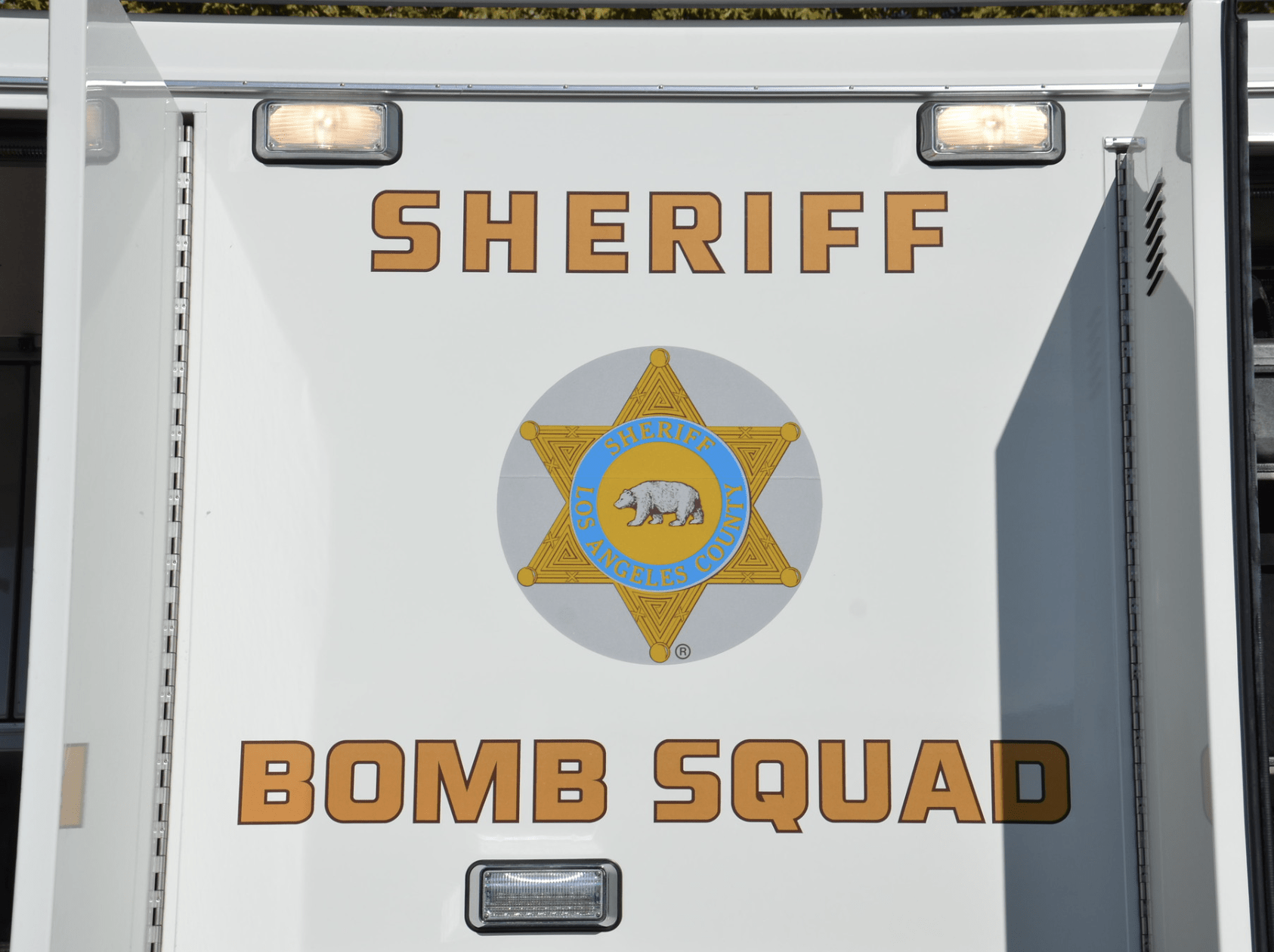
For many who were on the property when the blast occurred, the explosion immediately brought back memories of July 18, 2025, when a grenade believed to be inert detonated, killing Detectives Joshua Eklund, Victor Lemus, and William Osborn.
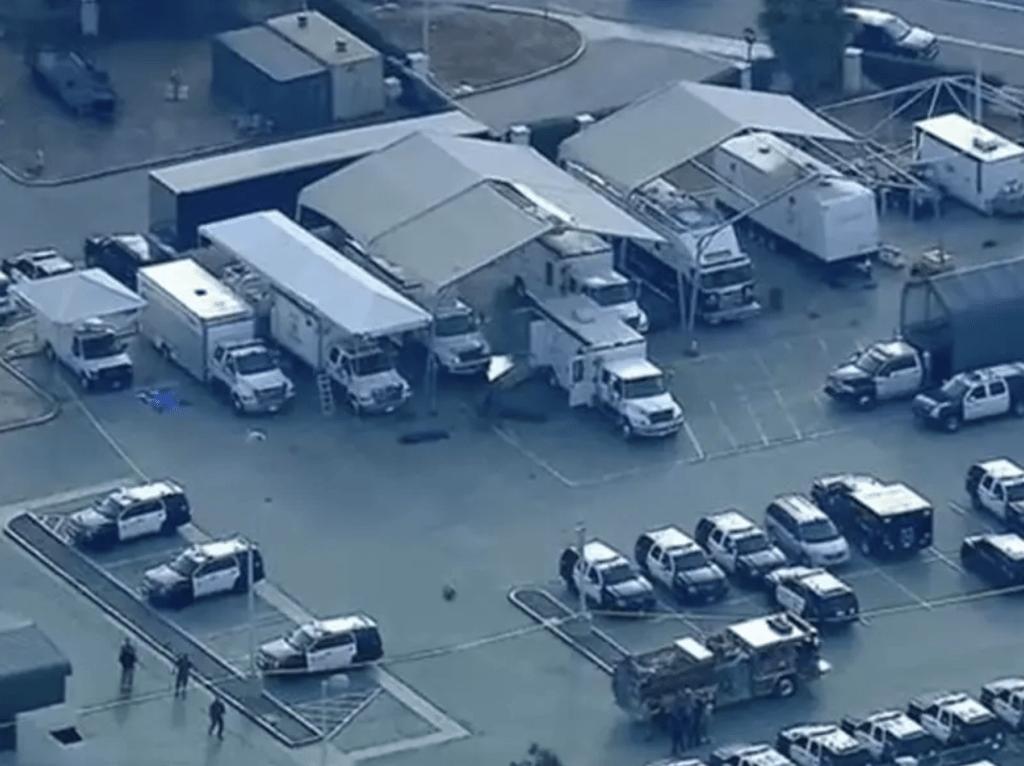
The deadly explosion last July may initially appear to have been a perfect storm of unfortunate and preventable circumstances. But when another blast occurs at the same facility less than a year later, the “perfect storm” explanation begins to wear thin. At some point, recurring explosives-related incidents inside one of the nation’s most prestigious bomb squads stop looking like bad luck and start looking like the predictable consequences of failed leadership, poor judgment, and an inability to learn from tragedy.
According to multiple sources, the latest incident has intensified anger and frustration inside the Arson Explosives Detail, not simply because another blast occurred, but because employees increasingly believe the people making operational decisions are the very people whose judgment continues to raise questions.
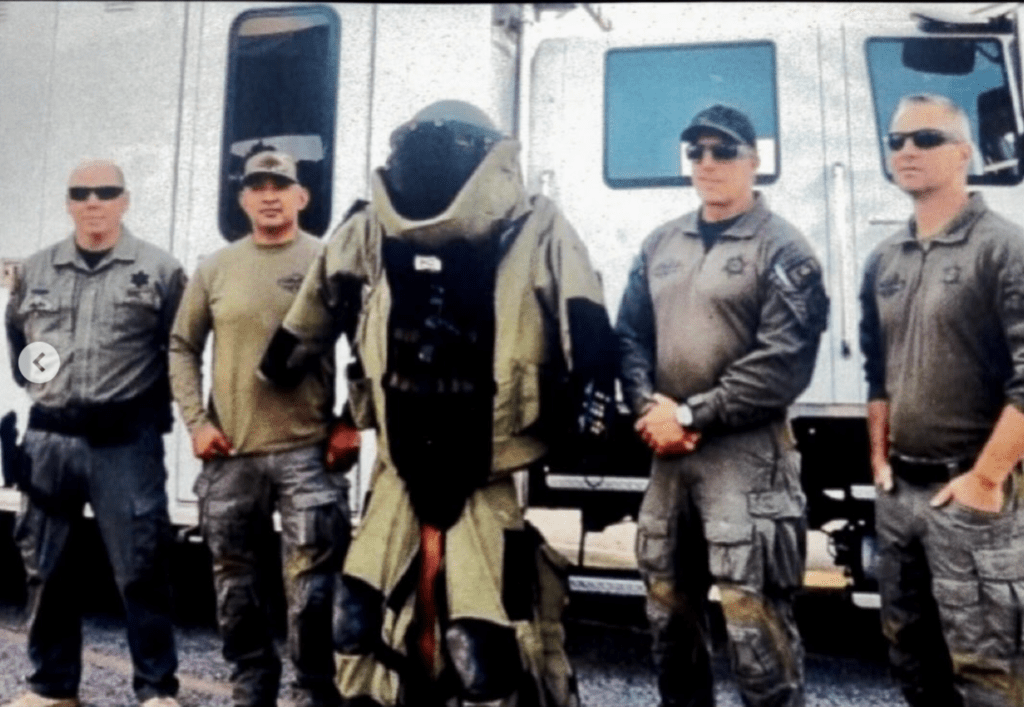
Multiple sources identified Sergeant Joe Eguia as the supervisor responsible for the June 5 demolition operation. Sources say the aftermath included a unit meeting resulting in increased micromanagement directives that many bomb technicians view as misplaced and counterproductive. Sources say they are once again being subjected to additional restrictions and oversight because of a supervisory failure they believe originated at the top.
The resentment is understandable.
Bomb technicians accept the risks that come with handling explosive devices. What they should not have to accept is leadership that repeatedly places them in questionable situations and then responds by tightening controls on everyone except the decision-makers.
The June 5 incident has also brought renewed attention to Eguia’s role in the aftermath of the July 2025 grenade explosion.
According to multiple sources, Eguia was one of two Arson Explosives Detail supervisors involved in the search for the missing second grenade that remained unaccounted for following the fatal explosion. Sources allege that Eguia was directed by Captain Robbie Royster to conduct that search alone at one of the homes of the deceased detectives despite safety protocols that exist precisely because potentially live military ordnance presents extraordinary risks and requires methodical, controlled procedures.
More troubling, multiple sources allege that one of the widows of the fallen detectives was directed by Sgt. Eguia to search her own home for the missing grenade.
The families of the fallen detectives had already endured an unimaginable tragedy. Asking a grieving widow to participate in any search involving a potentially live explosive device demonstrates either an extraordinary lapse in judgment or a fundamental failure to appreciate the risks involved. Either explanation should concern everyone.
Yet despite these alarming circumstances and the serious concerns they have raised inside the unit, Sergeant Eguia remains in a supervisory position.
According to sources, Eguia was selected by Captain Royster, a decision that many within the unit, now point to as another example of leadership choices that have prioritized loyalty and relationships over demonstrated competence and judgment.
That criticism did not materialize in a vacuum.
The fatal grenade explosion that killed Detectives Eklund, Lemus, and Osborn exposed profound questions about supervision, leadership, and command decision-making within the Arson Explosives Detail.
As previously reported by The Current Report, multiple sources stated that Sergeant Dan Tobin, the Team Sergeant, remained in a supervisory position despite allegedly grappling with significant family health issues that had left him emotionally drained and mentally distracted.
Sources have consistently questioned why leadership permitted him to oversee an extraordinarily dangerous explosives operation while allegedly knowing his attention was divided by deeply personal matters and impending retirement. Bomb disposal work demands absolute focus, sound judgment, and unwavering situational awareness because a single lapse can be catastrophic.
According to sources, leadership’s decision to leave a supervisor in place under those circumstances unnecessarily increased the risks to the personnel under his command. Three detectives never made it home.
The consequences of insufficient supervision inside a bomb squad are not measured in paperwork errors or missed deadlines. They are measured in catastrophic outcomes.
In light of the June 5 blast, the obvious question now is whether meaningful change ever happened after the tragic deaths of Eklund, Lemus and Osborn.

The June 5 incident raises a host of questions that deserve answers. Was the demolition operation conducted according to established safety procedures? Was appropriate protective equipment worn? Was adequate supervision present? Were command staff notified? Was Cal/OSHA notified and, if so, what aspects of the operation are now under review? Is this being subjected to an independent investigation or merely another internal process controlled by the very leadership whose decisions are under scrutiny?
Those questions matter because bomb squads are not places where inexperience, poor judgment, or leadership by committee can be tolerated. Every operation depends upon discipline, competence, and confidence in the people trained with making those decisions.
According to multiple sources, confidence inside the Arson Explosives Detail is increasingly in short supply.
The state investigation concluded that the explosion that killed Detectives Eklund, Lemus, and Osborn involved multiple serious and “willful” safety violations, resulting in eight citations and approximately $350,000 in fines against the Los Angeles County Sheriff’s Department. According to the findings, investigators identified failures in training, handling, storage, and documentation of explosive materials, including allegations that explosives were left unattended. State investigators further accused the department of failing to provide effective training to personnel handling explosive devices and later filed a lawsuit alleging LASD did not fully comply with document requests during the investigation. In other words, the deaths of three veteran detectives were not simply the result of an unpredictable accident. According to the state’s findings, they occurred amid systemic safety failures and alleged violations so significant that regulators deemed several of them “willful” – a designation reserved for situations in which an employer knowingly fails to comply with safety requirements.
For many employees, the most troubling aspect of the June 5 blast is not that another explosion occurred. It is that another explosion occurred at the same facility, under many of the same leaders, while personnel continue to raise many of the same concerns.
At some point, the question is no longer whether the Sheriff’s Department leadership learned anything from tragedy. The question becomes why the very people entrusted with correcting these failures continue to exercise judgment that allegedly places LASD personnel—and potentially the public—in unnecessary and unacceptable danger. And now, the expectation that preventable, potentially fatal tragedies, will ultimately continue without accountability.